
Baiterek and Samruk-Kazyna to channel $27.3 bln into Kazakhstan's economy in 2026
This digest was compiled by AI from multiple sources — links to the originals are below.
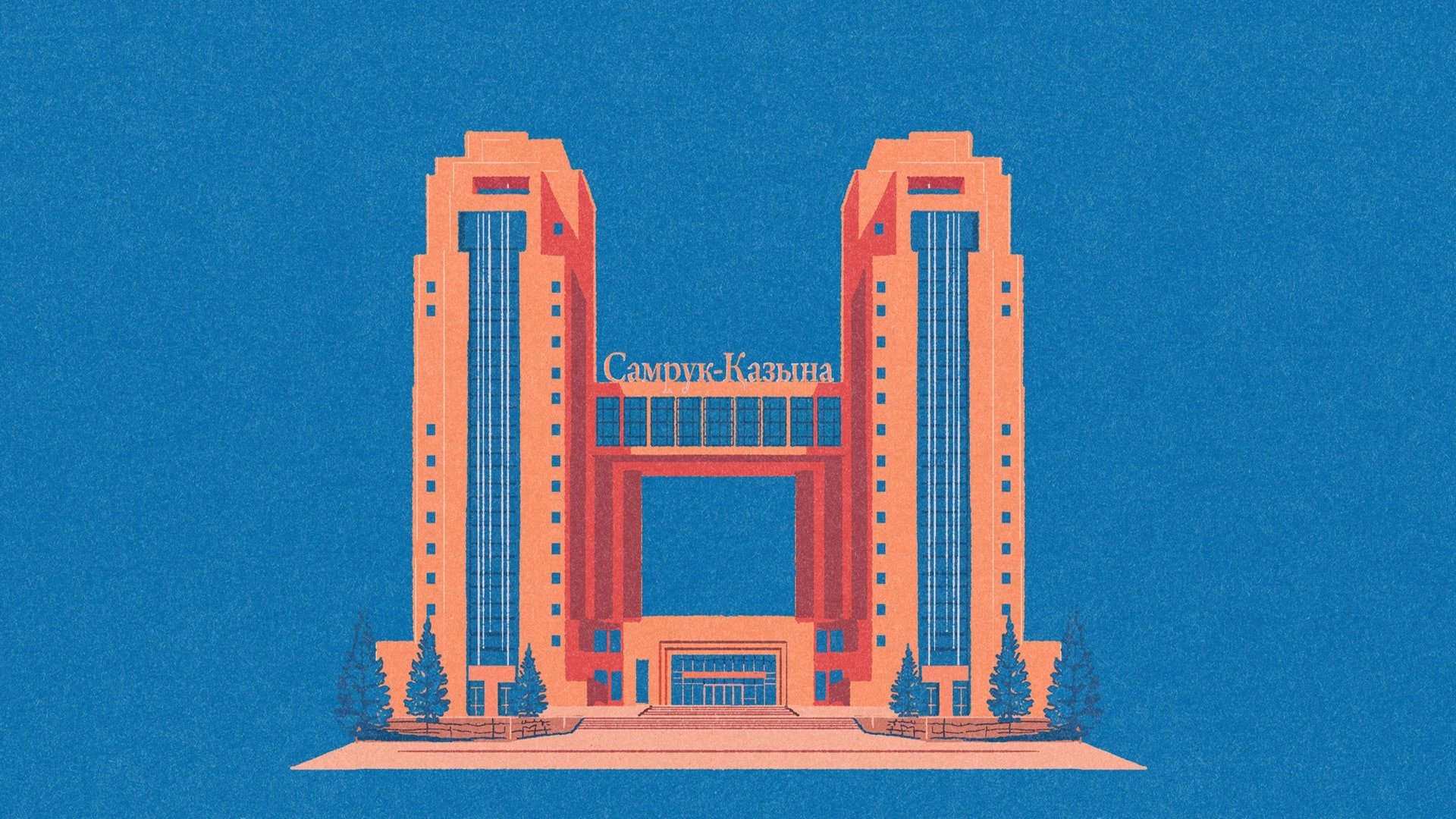
Kazakhstan's two largest state holdings, Baiterek and Samruk-Kazyna, plan to provide about $27.3 billion in financing and investments in 2026. The scale of support is one factor sustaining economic growth amid a weakening oil sector, according to the Asian Development Bank's September forecast. The ADB kept its 2026 GDP growth forecast for Kazakhstan at 4.8%, while the economy expanded 4.1% in the first half.
Key Facts
- Baiterek plans to provide about $16.4 billion in financing in 2026, with roughly $6.2 billion already disbursed by mid-year.
- Samruk-Kazyna has planned about $10.9 billion in investment expenditures for 2026.
- Kazakhstan's GDP grew 4.1% in the first half of 2026, down from 6.3% a year earlier, while oil production fell 8.4%.
- The ADB projects average inflation of 10.4% in Kazakhstan in 2026, easing to 9.5% in 2027.
- The state budget deficit widened to 3.2% of GDP in the first half of 2026 from 1.6% a year earlier.
State Holdings' Financing Plans
Baiterek plans to provide about $16.4 billion in financing in 2026, with roughly $6.2 billion already disbursed by mid-year. The remaining $10.2 billion for the second half of the year is about 1.6 times the first-half amount. Samruk-Kazyna has planned about $10.9 billion in investment expenditures for 2026. Combined, the two state structures account for about $27.3 billion in financing and investments.
Growth Drivers and Sector Shifts
Kazakhstan's GDP grew 4.1% in the first half of 2026, down from 6.3% a year earlier, while oil production fell 8.4%. The ADB links the oil decline to prolonged downtime at Tengiz and recurring disruptions at the Caspian Pipeline Consortium, which carries over 80% of Kazakhstan's oil exports. Manufacturing growth accelerated to 9.8% from 5.6%, and construction expanded 15.2%. The ADB attributes this momentum to state support and infrastructure project implementation.
Fiscal and Inflation Outlook
The state budget deficit widened to 3.2% of GDP in the first half of 2026 from 1.6% a year earlier. Transfers from the National Fund fell to 2.6% of GDP from 5.1%, while nominal VAT receipts rose 41.9%. Public debt servicing costs reached 3% of GDP. The ADB projects average inflation of 10.4% in 2026, easing to 9.5% in 2027, with off-budget fiscal stimulus and utility tariff adjustments among the risks.
1 source
Time · lag behind first