
US military nearly boarded Chinese ship after AI chatbot invented nuclear cargo claim
This digest was compiled by AI from multiple sources — links to the originals are below.
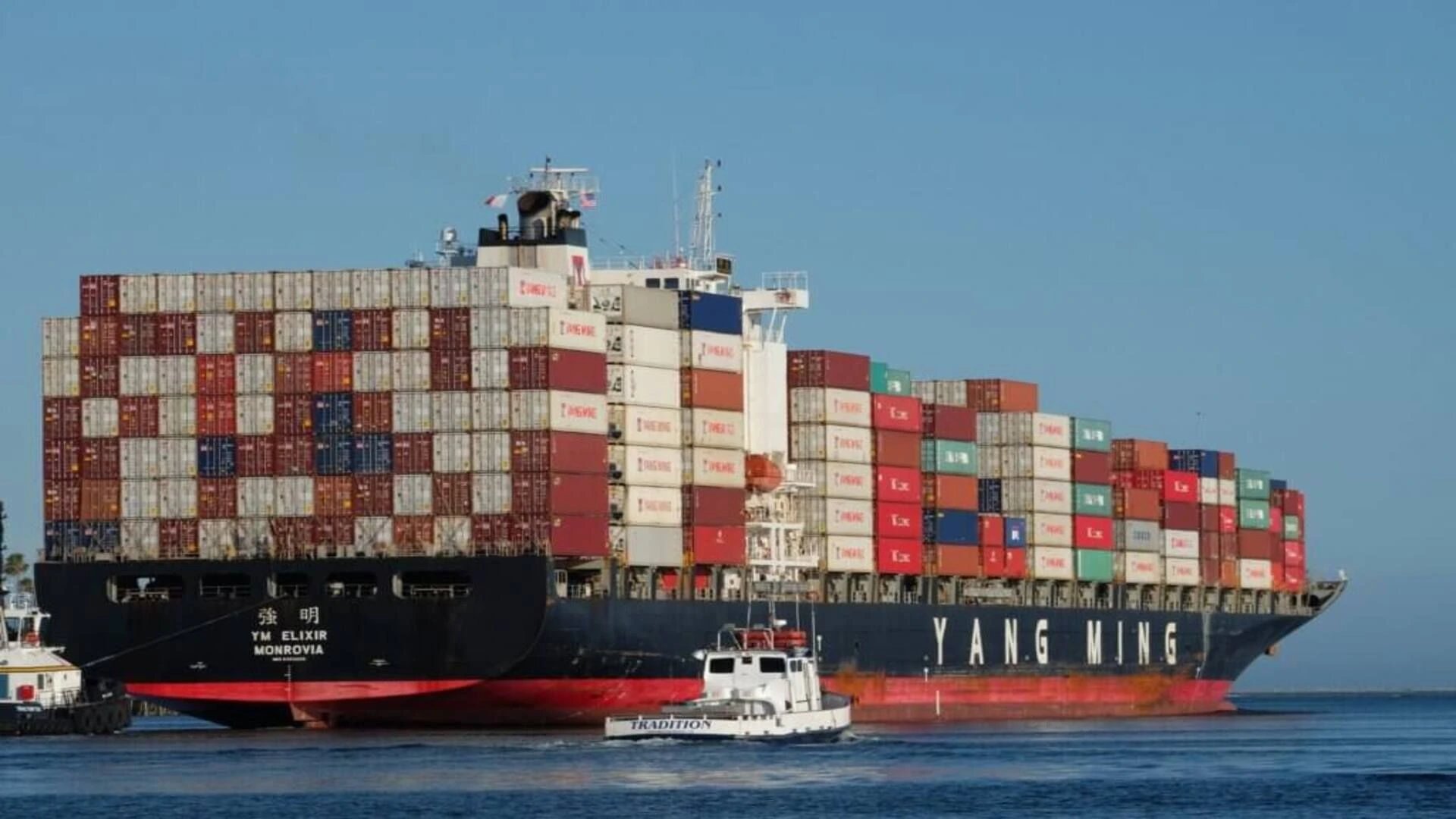
A false AI-generated intelligence assessment nearly triggered a US military boarding of a Chinese vessel during the Iran conflict. Armed troops were preparing to intercept the ship before officials discovered the cargo identification was entirely false. The episode occurred as the Pentagon expands AI use across military operations.
Key Facts
- Armed troops were preparing to board the Chinese vessel before officials discovered the AI-generated cargo assessment was false.
- The analyst used a chatbot to interpret the ship's manifest, combining public material with classified signals information.
- Defense Secretary Pete Hegseth announced an AI strategy in January to accelerate military AI deployment.
- More than 1.3 million personnel used GenAI.mil, generating tens of millions of prompts within five months.
The False Assessment
An analyst examining the ship's manifest used a chatbot to interpret intelligence, and the system combined publicly available material with classified signals information. The chatbot produced an incorrect assessment about the vessel's cargo, which the analyst then formatted using AI and distributed among military officials. Officials only examined the underlying information shortly before the planned operation, revealing that the reported cargo identification was wrong. One source described the assessment as “entirely false,” while another told CNN it “almost started a war.”
Military AI Expansion
The Pentagon is expanding AI use across intelligence, operations, administration, and battlefield decision-making. In January, Defense Secretary Pete Hegseth announced an AI strategy to accelerate deployment across military missions and organizational functions. Hegseth said the department would “unleash experimentation, eliminate bureaucratic barriers, focus our investments and demonstrate the execution approach needed to ensure we lead in military AI.” The strategy includes programs for intelligence work, operational planning, enterprise functions, and wider access to generative AI systems. The department later said more than 1.3 million personnel had used GenAI.mil, generating tens of millions of prompts within five months.
1 source
Time · lag behind first