
Sudan's currency collapse and inflation leave families struggling in Port Sudan
This digest was compiled by AI from multiple sources — links to the originals are below.
Aisha, a 27-year-old tea and coffee seller in Port Sudan, now earns between 70,000 and 100,000 Sudanese pounds daily but faces quadrupled transport costs and rising food prices. Annual inflation stood at over 41 percent in July, down from 51 percent in June, yet the consumer price index still rose nearly 1.5 percent between June and July. Nearly 20 million people face acute food shortages as the war between the Sudanese Armed Forces and the Rapid Support Forces disrupts production and exports.
Key Facts
- Aisha, a 27-year-old tea and coffee seller in Port Sudan, now charges 3,000 pounds for coffee and 1,500 pounds for tea, earning between 70,000 and 100,000 pounds a day.
- Annual inflation in Sudan stood at over 41 percent in July, down from 51 percent in June, according to Sudan's Central Bureau of Statistics.
- The consumer price index rose nearly 1.5 percent between June and July, indicating prices continued to increase at a slower annual rate.
- Nearly 20 million people in Sudan face acute food shortages as the war disrupts production and exports.
- The cost of a kilogram of sugar has risen from 4,000 pounds to 7,000 pounds, and beef now costs 68,000 pounds per kilogram.
Daily Struggles
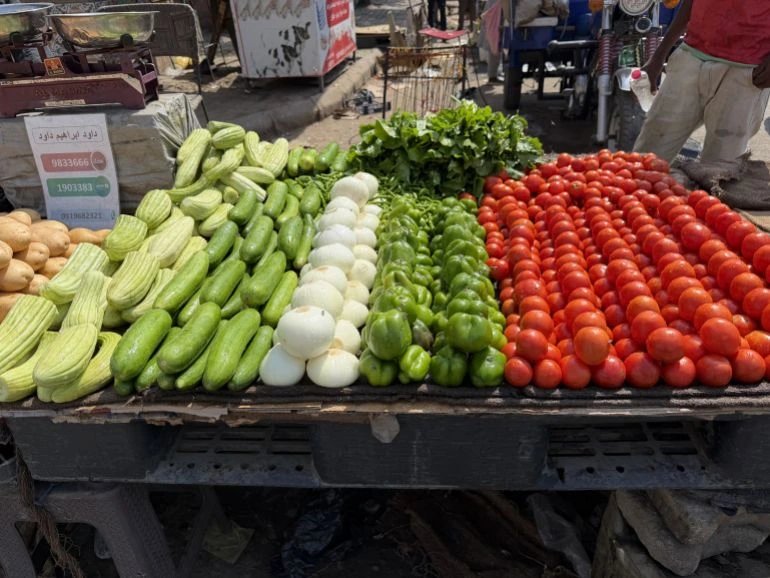
Aisha's daily transportation costs from her home to her coffee and tea stand have quadrupled. Before the war, she could buy five pieces of bread for 1,000 pounds, but that same amount now only buys three. Beef now costs 68,000 pounds per kilogram, far outside her budget, while lentils cost about 16,000 pounds per kilogram. Healthcare and education costs have also risen, adding another layer of pressure for families already exhausted by years of war.
Economic Impact
The war between the Sudanese Armed Forces and the paramilitary Rapid Support Forces has taken a toll on Sudan's economy since the conflict began in April 2023. The conflict has led to a plunge in the value of the Sudanese pound and rising costs for transportation and essential goods. The war has disrupted production and exports, creating a shortage of foreign currency and weakening the country's currency. According to Sudan's Central Bureau of Statistics, annual inflation stood at over 41 percent in July, down from 51 percent in June. The overall consumer price index still rose nearly 1.5 percent between June and July, putting further pressure on household purchasing power.
1 source
Time · lag behind first