
Kazakhstan plans to raise three refinery capacities to 28.8 mln tonnes per year
This digest was compiled by AI from multiple sources — links to the originals are below.
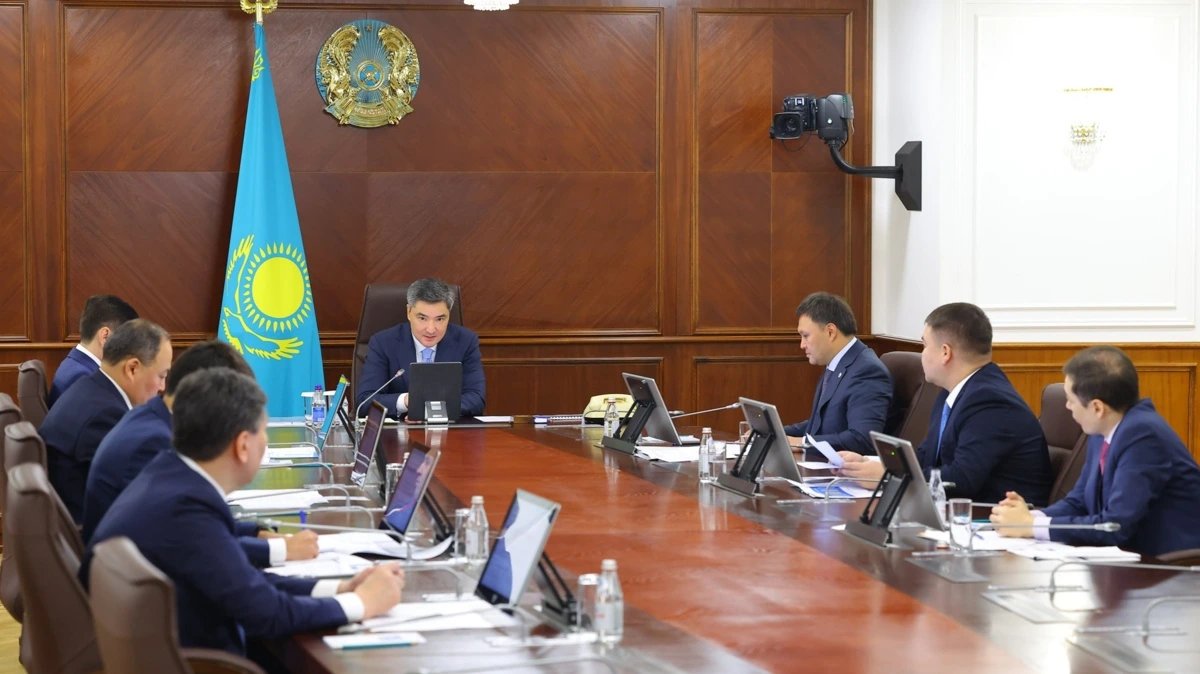
Kazakhstan plans to expand capacity at its three existing refineries from 17.5 million to 28.8 million tonnes per year by 2031. Prime Minister Olzhas Bektenov ordered completion of a comprehensive assessment and final decisions on a fourth refinery by the end of 2026. The expansion includes raising Shymkent refinery capacity to 12 million tonnes by 2030 and Pavlodar petrochemical plant to 9 million tonnes by 2031.
Key Facts
- Combined capacity of Kazakhstan's three refineries is planned to rise from 17.5 million to 28.8 million tonnes per year.
- Shymkent refinery capacity is to be increased from 6 million to 12 million tonnes per year by 2030.
- Pavlodar petrochemical plant capacity is to be raised from 6 million to 9 million tonnes per year by 2031.
- Atyrau refinery will complete an efficiency project in 2027, raising capacity from 5.5 million to 6.1 million tonnes.
- Prime Minister Bektenov ordered final decisions on the fourth refinery by the end of 2026, including capacity, configuration, feedstock, location, and economic model.
Refinery Expansion Plans
Kazakhstan's three operating refineries are set for capacity increases totaling 11.3 million tonnes per year. Shymkent refinery will double capacity from 6 million to 12 million tonnes by 2030, while Pavlodar petrochemical plant will reach 9 million tonnes by 2031. Atyrau refinery's efficiency project will be completed in 2027, lifting capacity from 5.5 million to 6.1 million tonnes. The Shymkent expansion also includes increasing capacity of the Kenkiyak-Atyrau and Kenkiyak-Kumkol oil pipelines, the Tekesu station, and construction of a Shymkent-Almaty product pipeline with capacity up to 3.5 million tonnes per year.
Fourth Refinery Decision
Vice Minister of Energy Kaiyrkhan Tutkyshbayev reported that long-term demand for refining capacity could reach about 40 million tonnes per year. Prime Minister Bektenov instructed completion of a comprehensive assessment and final decisions on the fourth refinery by the end of 2026. The decision must determine optimal capacity, configuration, feedstock base, location, and economic model. Preliminary feasibility study for the fourth refinery has already begun.
Market Liberalization Push
Bektenov said fuel prices in Kazakhstan are half those of neighboring countries, making refining investment economically unviable. He called for active continuation of market liberalization, describing it as a matter of economic security. Responsible state bodies were ordered to keep expansion projects under constant control and prevent delays.
21 sources
Time · lag behind first