
Gaza health system still collapsing after 1,000 days of war, official says
This digest was compiled by AI from multiple sources — links to the originals are below.
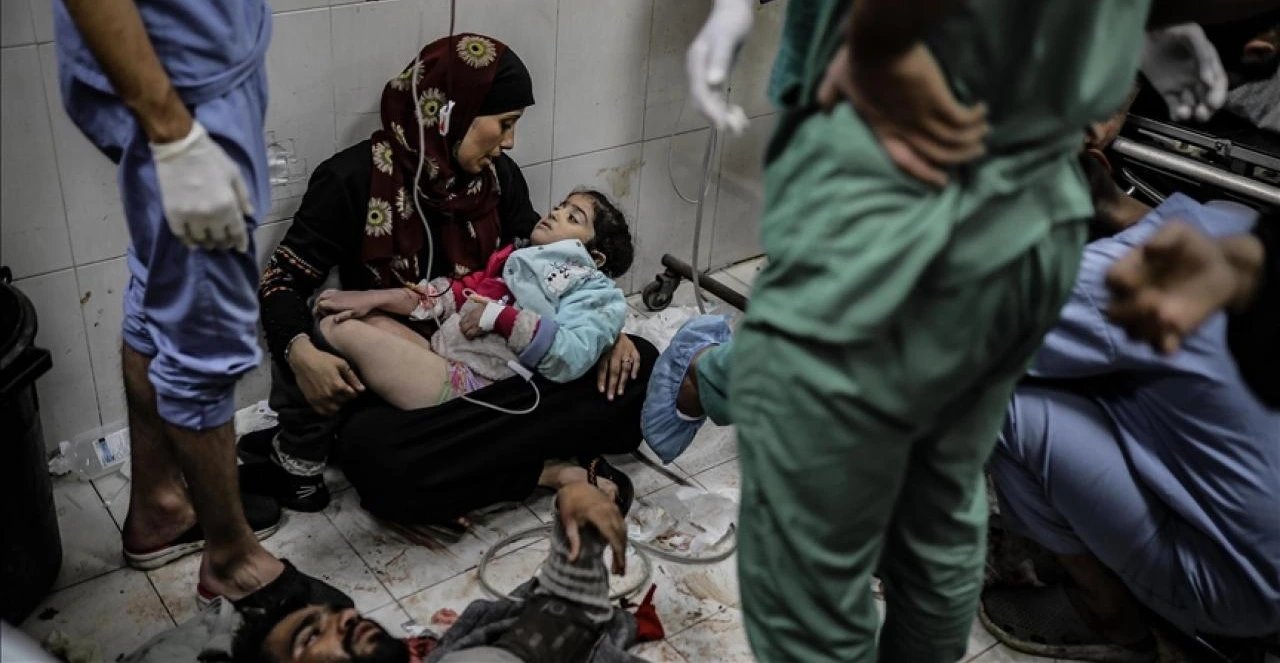
Gaza's health system remains in a state of collapse after nearly 1,000 days of Israeli attacks, according to a senior medical official. Hospitals lack fuel, spare parts, and medicine, while more than 55% of camp residents have contracted lice and scabies. The official said no fully functioning hospital exists in northern Gaza.
Key Facts
- More than 55% of camp residents in Gaza have contracted lice and scabies infections, according to recent campaign data.
- Kuwait Field Hospital in Khan Younis and Al-Wafa Hospital in central Gaza have suspended operations due to shortages of motor oil, spare parts, and fuel.
- No fully functioning hospital exists in northern Gaza, and the health system lacks capacity to treat mass casualties or disease outbreaks.
- Many surgical specialists have been evacuated, killed, or wounded in attacks, further straining medical services.
Health System Collapse
Gaza's health system remains in a state of collapse after nearly 1,000 days of war, according to medical official Almadhoun. Only minor improvements have been made at some hospitals in northern and southern Gaza, but full-capacity operations still require support from many civil society organizations. In northern Gaza, many homes and hospitals lie in ruins, and no fully functioning hospital can be found. The system lacks capacity to treat large numbers of cases in mass-casualty events or disease outbreaks.
Infrastructure and Supply Shortages
Severe shortages of medicine, fuel, motor oil, and spare parts are hindering health system support efforts. Wastewater and sanitation conditions are very poor, and living conditions in tents are conducive to the spread of many diseases. Kuwait Field Hospital in Khan Younis and Al-Wafa Hospital in central Gaza have suspended operations primarily due to shortages of motor oil, spare parts, and fuel. Almadhoun said fuel must be supplied to hospitals immediately because many emergency cases require urgent intervention.
Ongoing Attacks and Displacement
Israeli attacks continue across Gaza, and their effects are felt in daily life, Almadhoun said. No safe place exists in Gaza, and intense bombardment is seen throughout the territory, though the situation differs from before the ceasefire. Many surgical specialists have been evacuated, killed, or wounded in the attacks.
1 source
Time · lag behind first