
UNFPA reports 123% rise in early, forced marriage cases in Gaza
This digest was compiled by AI from multiple sources — links to the originals are below.
The UN Population Fund reports a 123% increase in reported early and forced marriage cases in Gaza in the second quarter of this year. The agency links the surge to the breakdown of social structures after three years of conflict. Displaced women describe girls being married off in exchange for food or to avoid scandal after rape.
Key Facts
- UNFPA recorded a 123% increase in reported early and forced marriage cases in Gaza in Q2 compared with Q1.
- Early or child marriage involved girls aged 12 to 17.
- About 1.2 million Palestinians in Gaza are living in tents or makeshift shelters.
- One displaced woman said a man married off his 14-year-old daughter in exchange for two bags of flour during last year's famine.
- Nearly all of Gaza's population of more than two million have been driven from their homes.
Reported Violence Surge
UNFPA reports a sharp rise in violence against women and girls in Gaza, including early and forced marriage. The agency warns of a severe escalation in early and forced marriage incidents in the second quarter of this year. Both are considered types of gender-based violence by the UN. In the second quarter, reported cases of early and forced marriage increased by 123% compared with the first quarter. Early or child marriage involved girls aged 12 to 17.
Displacement and Survival
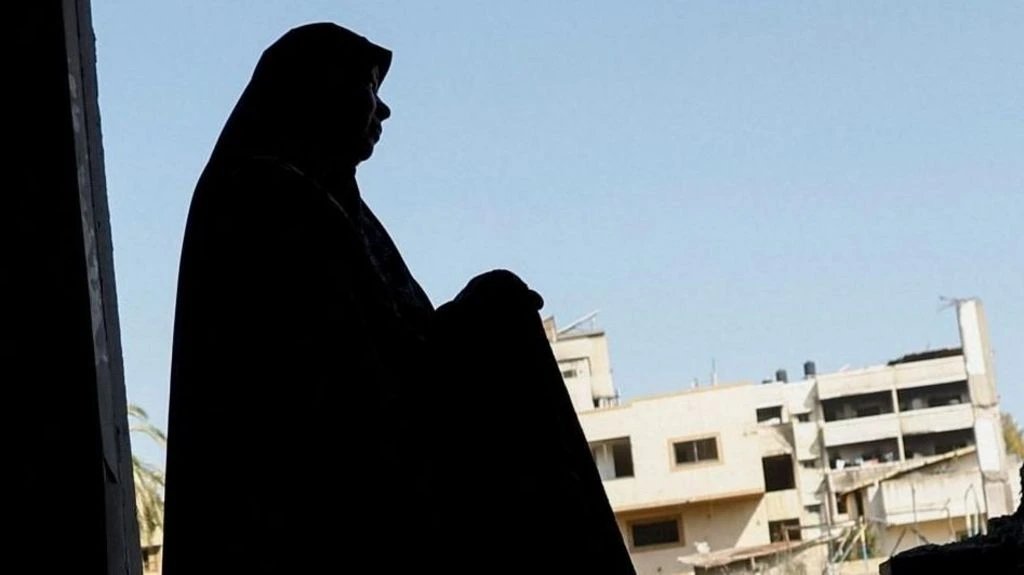
One displaced woman in a school-turned-shelter said rape victims are often married to their rapists to avoid shame and scandal. Another woman said a man married off his 14-year-old daughter in exchange for two bags of flour so he and his other children could eat. Six women in different displacement camps shared stories of such exchanges, which would have been unthinkable before the conflict began in 2023. Nearly all of Gaza's population of more than two million have been driven from their homes, leaving most living in squalid tent camps or damaged buildings. About 1.2 million Palestinians in Gaza are living in tents or makeshift shelters.
Social Breakdown
Nestor Owomuhangi, UNFPA representative to Palestine, said the extreme circumstances over the past three years have broken down social structures. He said tens of thousands of people have been killed, with mass destruction and multiple waves of displacement in Gaza. While food markets have reopened, many cannot afford the goods on offer, and there is still extreme poverty and hunger with reliance on charitable handouts. Public services have largely collapsed, and Israeli air strikes have continued despite the ceasefire. Prior to the war, girls in Gaza outnumbered and outperformed boys at every level of education above primary school.
1 source
Time · lag behind first