
US grants Xi Jinping state visit status after weeks of talks, WSJ reports
This digest was compiled by AI from multiple sources — links to the originals are below.
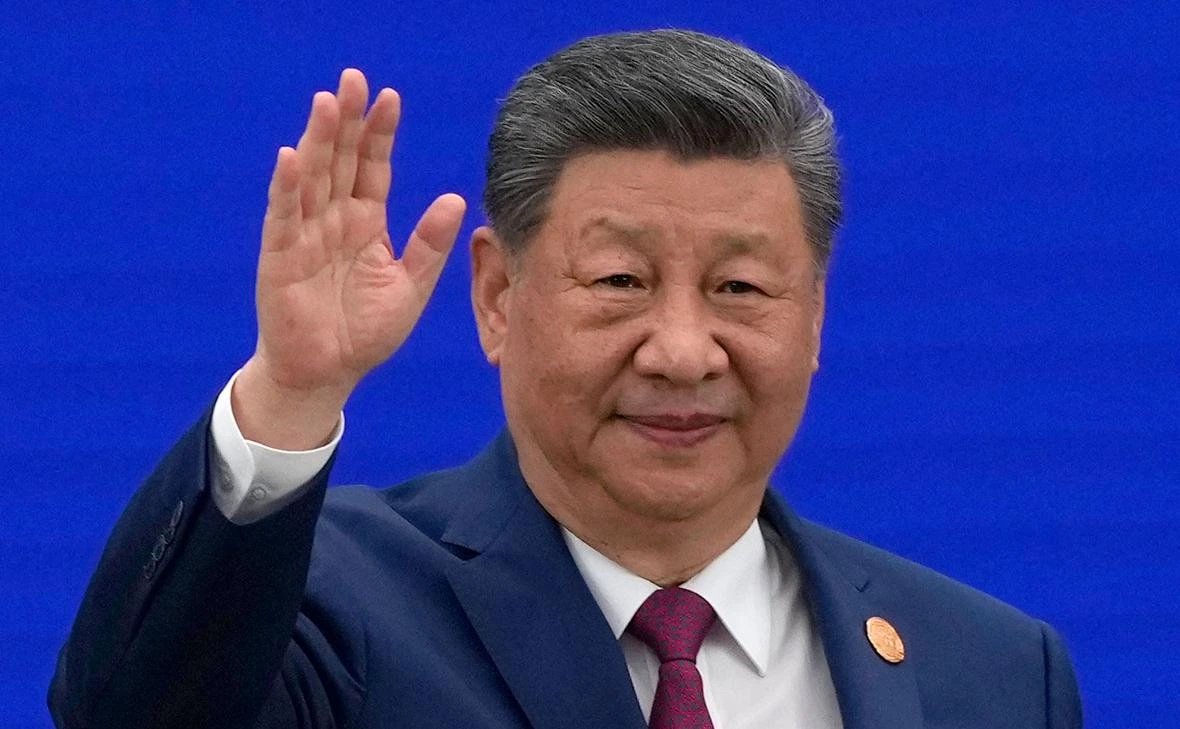
Washington and Beijing agreed to grant Chinese President Xi Jinping's upcoming US trip full state visit status after weeks of negotiations, The Wall Street Journal reported. The three-day visit begins September 23 and includes a White House arrival ceremony, 21-gun salute, and state dinner. The ceremonial focus comes even as both sides remain far from substantive agreements on technology, AI, and geopolitical influence.
Key Facts
- The visit begins September 23 and will last three days, with main talks scheduled for September 24.
- The program includes a White House arrival ceremony, military honors, a 21-gun salute, and a state dinner.
- Beijing sought a two-day program and a state dinner to match the reception given to Donald Trump during his May visit to China.
- Trump plans to personally greet Xi at Joint Base Andrews near Washington.
- US Treasury Secretary Scott Bessent proposed creating an emergency communication channel on artificial intelligence.
State Visit Status
Beijing spent weeks pressing Washington to grant Xi Jinping's trip the highest level of diplomatic protocol, including a honor guard, state dinner, and 21-gun salute. The US side ultimately agreed to confer full state visit status, according to people involved in the preparations cited by The Wall Street Journal. The trip will be the first state visit by a Chinese leader to the United States in more than a decade. China insisted on a two-day program and a state dinner, seeking parity with the ceremonies organized for Donald Trump during his May visit to China.
Negotiation Agenda
Talks will cover extending the tariff truce, bilateral trade, critical mineral supplies, and the use of artificial intelligence. US Treasury Secretary Scott Bessent proposed establishing an emergency communication channel on AI issues. Trump aims to persuade China to pressure Iran, while Xi plans to raise Taiwan and US arms sales to the island. Neither Washington nor Beijing is ready for significant concessions on technology, artificial intelligence, or geopolitical influence, WSJ notes.
Regional Concerns
Washington's Asian allies fear Trump may be tempted to weaken support for Taiwan in exchange for favorable economic deals with China. Even a small shift in US rhetoric could embolden Beijing and create risks for regional stability, officials and experts told Reuters.
2 sources
Time · lag behind first