
Xi to Discuss Reviving $6 Billion US LNG Trade in Washington September 24
This digest was compiled by AI from multiple sources — links to the originals are below.
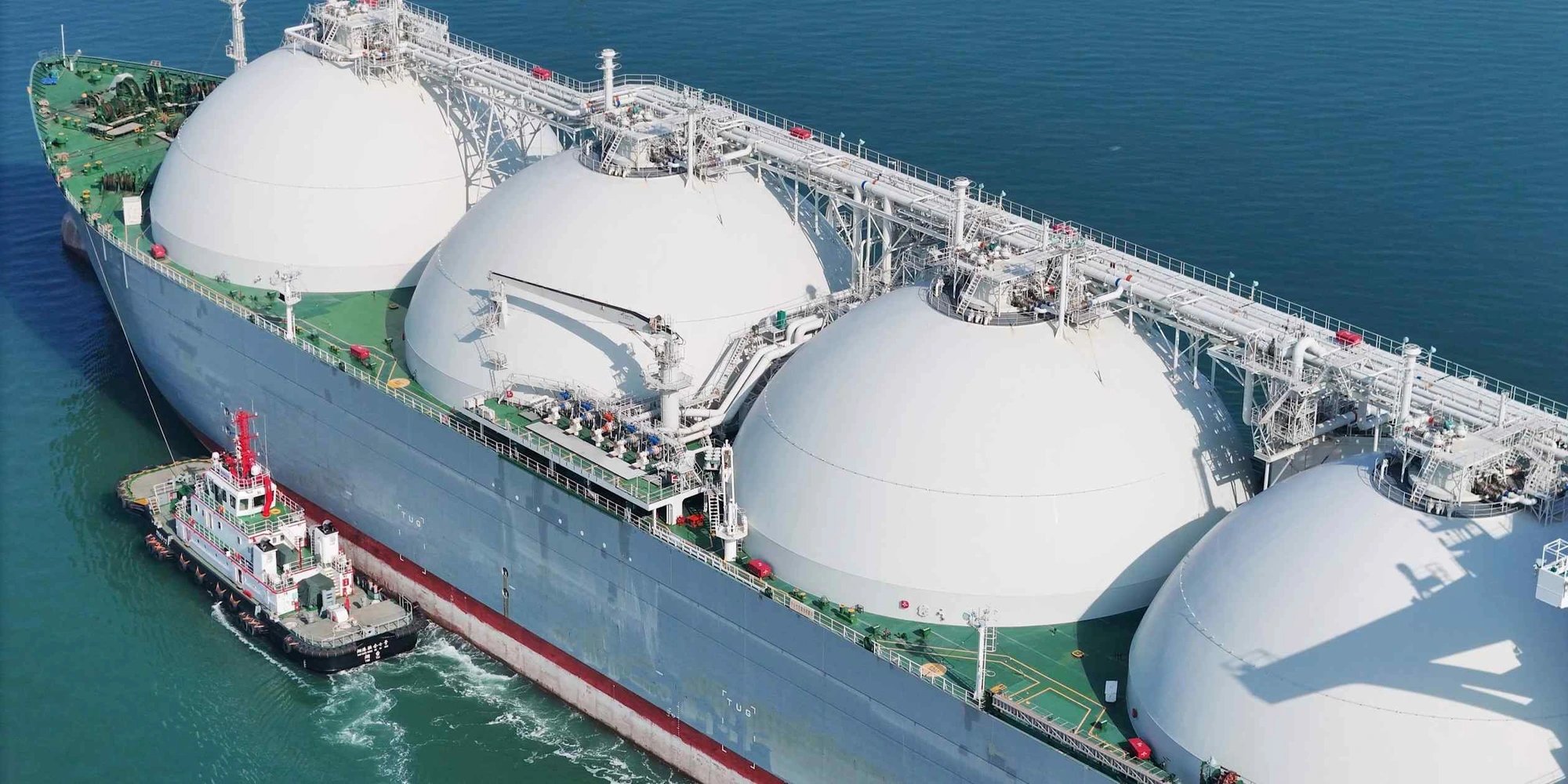
Xi Jinping arrives in Washington September 24 prepared to discuss reviving a $6 billion-a-year trade in US liquefied natural gas. The revival is contingent on lifting a 15% Chinese tariff that has blocked American gas since Q1 2025. Iranian missile strikes on Qatar's Ras Laffan complex in March destroyed 17% of Qatar's LNG export capacity, reshaping global supply.
Key Facts
- Xi Jinping arrives in Washington on September 24 to discuss reviving a $6 billion-a-year trade in US LNG.
- Beijing's 15% tariff on US LNG, imposed in February 2025, cut recorded US LNG shipments to China from 64 vessels in 2024 to zero in 2025.
- Iranian missiles struck Qatar's Ras Laffan Industrial City on March 18-19, destroying two of Qatar's 14 LNG production trains and costing an estimated $20 billion a year in lost revenue.
- China Gas Holdings signed a 20-year deal with Venture Global on September 14 for 500,000 metric tons of LNG a year, with deliveries starting in 2030.
- American cargoes made up 0.2% of China's LNG imports between January and July 2026, according to Banchero Costa data.
US-China LNG Trade
Xi Jinping arrives in Washington September 24 prepared to discuss reviving a $6 billion-a-year trade in US liquefied natural gas. The revival is contingent on lifting a 15% Chinese tariff that has blocked American gas since Q1 2025. Beijing's 15% tariff, imposed in February 2025 days into Trump's second term, cut recorded US LNG shipments to China from 64 vessels in 2024 to zero in 2025. At their 2021 peak, US cargoes made up 12% of China's total LNG imports, worth $6.2 billion that year. None of the underlying contracts were canceled; Chinese buyers kept honoring them but resold the cargoes into Europe and Asia rather than pay the tariff to deliver them home.
Qatar Supply Disruption
Iranian missiles struck Qatar's Ras Laffan Industrial City on March 18-19, destroying two of Qatar's 14 LNG production trains and a gas-to-liquids facility. The damage knocked out roughly 17% of Qatar's export capacity, with repairs estimated at up to five years. QatarEnergy declared force majeure on long-term contracts, an order later extended into August as repairs ran long. A second explosion hit the same complex on June 22 during restart operations, killing at least 13 workers, all from India and Pakistan. Qatar claimed the blast was a technical malfunction, not sabotage or a renewed attack, but has since purchased nearly three dozen US spot LNG cargoes from Venture Global to keep its own delivery commitments to Japan, South Korea, India, Bangladesh, and Taiwan.
China's Import Shift
China absorbed the Qatari shock by buying more from everyone except the United States: Australia took 36% of its LNG imports from January through July, Southeast Asia 20%, Russia 12%, and Canada, a new entrant, 4%, according to Banchero Costa data. American cargoes made up 0.2% of China's LNG imports between January and July this year. China Gas Holdings signed a 20-year deal with Venture Global on September 14 for 500,000 metric tons of LNG a year, with deliveries starting in 2030, with Beijing's 15% LNG tariff still in force the day it was signed. That volume covers well under 1% of China's total 2025 LNG imports of 68.43 million tons. Washington is treating the contract as evidence a tariff breakthrough is close, but the contract itself sets no tariff terms and requires none.
1 source
Time · lag behind first