
UN inquiry finds night raids and extortion at Syria's Roj camp
This digest was compiled by AI from multiple sources — links to the originals are below.
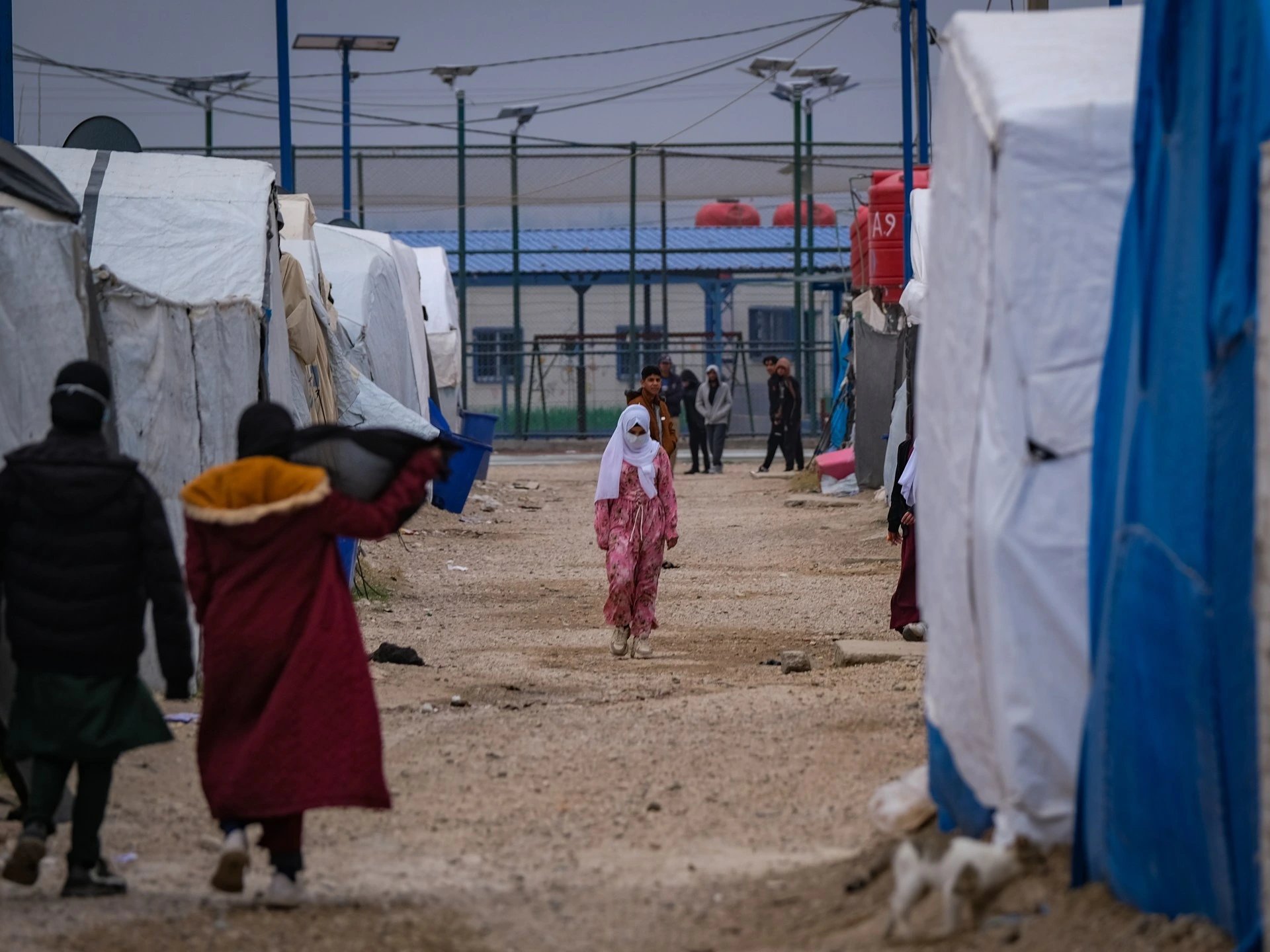
The UN Independent Commission of Inquiry on Syria reported on September 8 that conditions at Roj camp have worsened, with regular night raids, extortion and violence by camp security. The camp holds more than 2,300 children and mothers, many detained on alleged ISIL family ties. The findings come as the camp transitions from SDF to Syrian government control.
Key Facts
- The UN Independent Commission of Inquiry on Syria told the Human Rights Council on September 8 that conditions in Roj camp had worsened over the past year, with regular night raids, extortion and violence by camp security.
- Roj camp holds more than 2,300 children and mothers, many detained on the basis of alleged family or other associations with ISIL.
- On August 25, the Kurdish-led Syrian Democratic Forces announced it would dissolve as an independent military force under an agreement with Syria's central government in Damascus.
- SDF commander Mazloum Abdi has been appointed a presidential adviser after the force agreed to merge with the national army.
Camp Conditions
Women in the camp told Al Jazeera that the situation has steadily escalated, with gunfire at night, stones thrown by guards and a boy left with a serious head injury. Complaints to the administration bring promises but little else, according to one mother who said, "Every cry for help results in another wave of aggression." Al Jazeera cannot independently verify the accounts, but they match reports by UN investigators and NGOs. The UN commission described the camp as the world's largest site of mass arbitrary detention of women and children on security grounds.
Security Transition
Roj, which the SDF had controlled until last month, is now the Syrian state's responsibility. Detainees described a divided security presence, with those who accepted integration with the government on one side and holdouts who refused or were rejected on the other. Tensions between the two groups play out over the heads of the women and children, one woman told Al Jazeera.
1 source
Time · lag behind first