
Trump's Iran sanctions hinge on Chinese banks' compliance
This digest was compiled by AI from multiple sources — links to the originals are below.
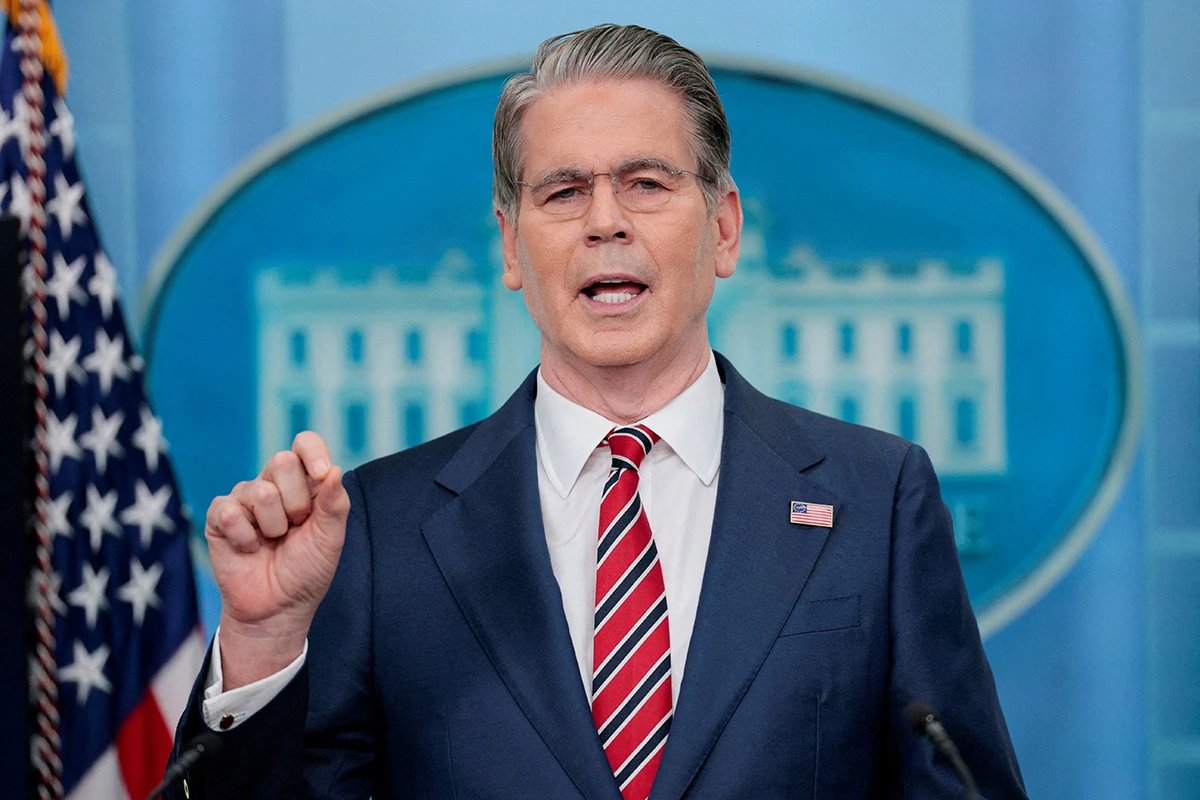
US Treasury Secretary Scott Bessent announced an 'economic D-Day' against Iran in late August, promising the largest financial offensive ever against an adversary. The success of this campaign ultimately depends on China, a Normandy ally but today's strategic rival. China buys about 90% of Iranian oil exports, and much of that trade now runs through Iran's 'rahbar' shadow banking system in yuan.
Key Facts
- US Treasury Secretary Scott Bessent announced an 'economic D-Day' against Iran in late August, promising the largest financial offensive ever against an adversary.
- The US Treasury estimates China buys about 90% of Iran's oil exports.
- Iran's 'rahbar' shadow banking system processes tens of billions of dollars annually, much of it from oil and petrochemical sales settled in yuan.
- In May, China's MOFCOM ordered five independent Chinese refineries, including Fortune 500 Henli Group's Dalian refinery, to block US sanctions on Iranian oil purchases.
US Sanctions Strategy
US Treasury Secretary Scott Bessent announced an 'economic D-Day' against Iran in late August, promising the largest financial offensive ever against an adversary. The campaign's success depends on China, a Normandy ally but today's strategic rival. The US Treasury estimates China buys about 90% of Iran's oil exports. The Trump administration aims to force or encourage small Chinese banks to scrutinize client ties to Iran and refuse deals when violations are found.
China's Countermeasures
In May, China's MOFCOM ordered five independent Chinese refineries, including Fortune 500 Henli Group's Dalian refinery, to block US sanctions on Iranian oil purchases. The order states that US sanctions 'should not be recognized, enforced, or complied with' regarding these enterprises. Large Chinese banks maintain access to dollar liquidity and correspondent relationships, reducing their incentive to fully comply with US sanctions.
Iran's Shadow Banking
Iran's 'rahbar' shadow banking system processes tens of billions of dollars annually, much of it from oil and petrochemical sales settled in yuan. Years of sanctions have pushed much of Iran's oil trade into an alternative system operating without the dollar, SWIFT, or correspondent banks. The US Treasury says the 'rahbar' system handles a significant portion of Iran's foreign oil and petrochemical sales.
1 source
Time · lag behind first