
Ukrainian strike halts Moscow refinery, cutting Russian fuel output
This digest was compiled by AI from multiple sources — links to the originals are below.
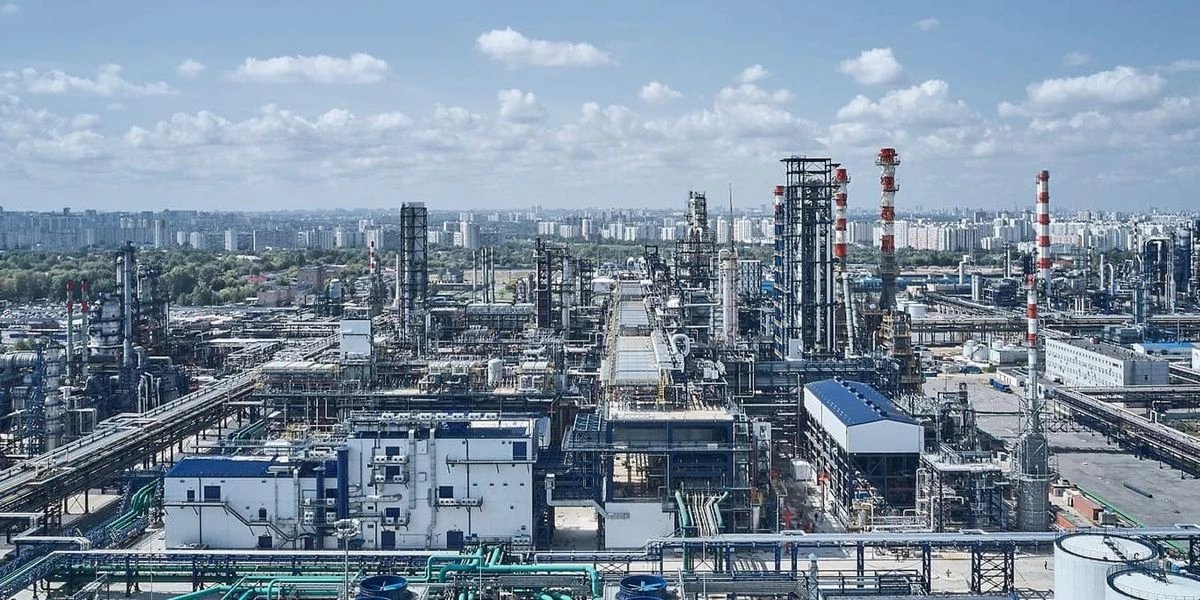
Ukrainian forces struck the Moscow oil refinery in Kapotnya on the night of September 20, disabling two primary processing units and halting fuel production. The attack comes amid a wave of strikes that has cut Russian refining by about 30% year-on-year. Fuel shortages have already affected 92% of Russian regions, with restrictions and long queues reappearing in Moscow.
Key Facts
- The September 20 attack on the Moscow refinery disabled two AVT primary processing units, halting all fuel production at the plant.
- Russian refining has fallen by about 30% year-on-year, with fuel shortages affecting 92% of regions this summer.
- At least 22 strikes on Russian refineries were recorded in August, the highest monthly total since the war began.
- New Ukrainian drones have a range of up to 3,000 km and can target specific refinery units.
- Kyrgyzstan may face fuel shortages, price increases, and queues at petrol stations this winter due to reduced supplies.
The Attack
Ukrainian forces struck the Moscow oil refinery in Kapotnya on the night of September 20. The attack disabled two AVT primary processing units, after which the plant halted all fuel production. The strike occurred days after US President Donald Trump called for an end to attacks on Russian energy infrastructure.
Escalating Drone Campaign
Ukrainian drones now have a range of up to 3,000 km and are more resistant to electronic warfare, allowing precise targeting of refinery units. From January to May, at least 16 Russian refineries were attacked and disabled. In August, at least 22 strikes were recorded, the highest monthly total since the war began. After mass drone attacks, missile systems, including possible ballistic weapons, are also used.
Fuel Market Impact
Russian refining has fallen by about 30% year-on-year. This summer, fuel shortages affected 92% of Russian regions, with restrictions on fuel sales in two-thirds of them. Queues at petrol stations reached tens of hours. In August and September, restrictions and long queues reappeared, including in Moscow. Kyrgyzstan may face fuel shortages, price increases, and queues at petrol stations this winter due to reduced supplies.
5 sources
Time · lag behind first