
UN Security Council warns of terror threats from Afghanistan
This digest was compiled by AI from multiple sources — links to the originals are below.
The UN Security Council warned on September 16 that terrorist groups in Afghanistan continue to threaten the country, neighboring states, and international security. Acting UNAMA head Georgette Gagnon said no substantial progress has been made on key issues five years after the Taliban's return to power. Security incidents rose 11% year-on-year, with the Taliban's opponents claiming 88 armed attacks in 21 provinces.
Key Facts
- Acting UNAMA head Georgette Gagnon told the UN Security Council on September 16 that no substantial progress has been made on key issues five years after the Taliban's return to power.
- UN data shows security incidents rose 11% compared with the same period last year.
- The Taliban's opponents claimed responsibility for 88 armed attacks in 21 provinces, of which the UN confirmed 55.
- China called on the Taliban to act against ISIS-Khorasan, Al-Qaeda, the East Turkestan Islamic Movement, and Tehrik-i-Taliban Pakistan.
- Taliban spokesman Zabihullah Mujahid on September 14 rejected claims of Al-Qaeda's presence in Afghanistan.
Security Council Debate
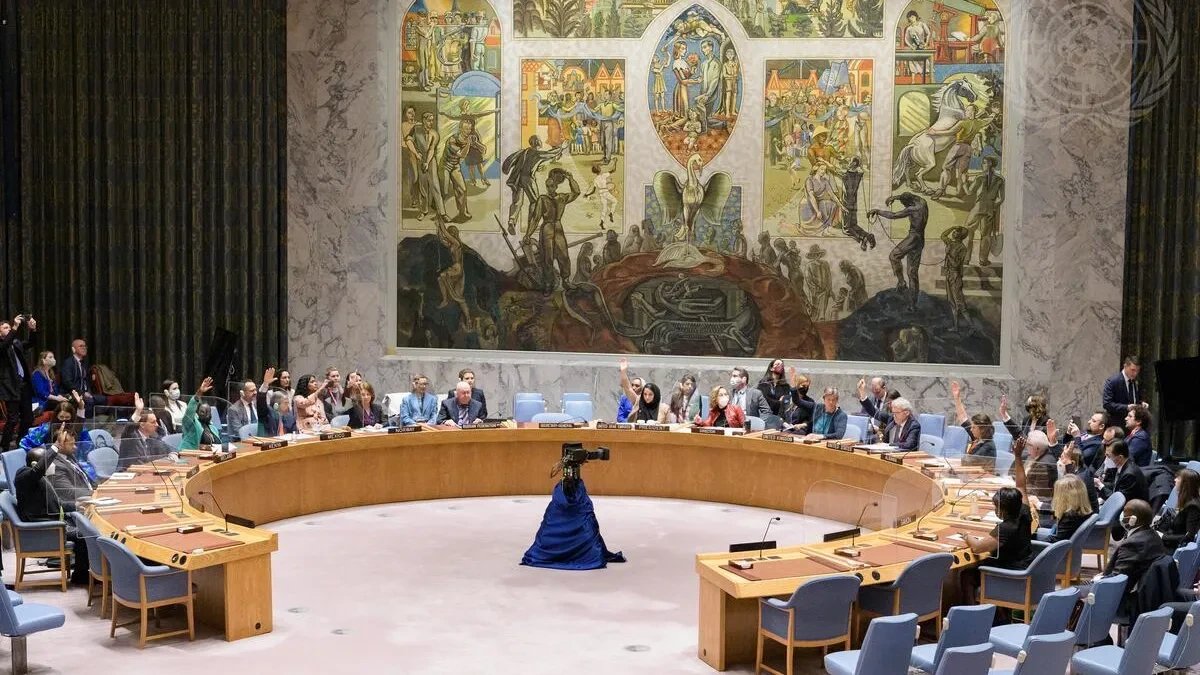
The UN Security Council met on September 16 to discuss the ongoing crisis in Afghanistan. Acting UNAMA head Georgette Gagnon said restrictions on women and girls, the absence of an inclusive political system, the human rights situation, and terrorist group activity remain unresolved. China urged the Taliban to take measures against ISIS-Khorasan, Al-Qaeda, the East Turkestan Islamic Movement, and Tehrik-i-Taliban Pakistan. Russia also reported activity by ISIS-Khorasan and other groups, while the United States accused the Taliban of providing safe haven to terrorist organizations.
Divergent Positions on Engagement
The United States, Britain, and France supported continued dialogue with the Taliban conditioned on concrete actions and fulfillment of international obligations. China, Russia, and Iran also backed dialogue and economic cooperation, arguing that isolating Afghanistan would not solve existing problems. Iran called for preventing the use of Afghan territory for attacks against neighboring countries.
Taliban Denial
Taliban spokesman Zabihullah Mujahid on September 14 rejected assertions of Al-Qaeda's presence in Afghanistan. He told TOLOnews he was unaware of any leaders or representatives of the organization in the country. At the Security Council meeting, representatives of several countries again stated terrorist threats emanate from Afghan territory.
1 source
Time · lag behind first