
LANSCE accelerator modernization project approved to extend operations to 2050
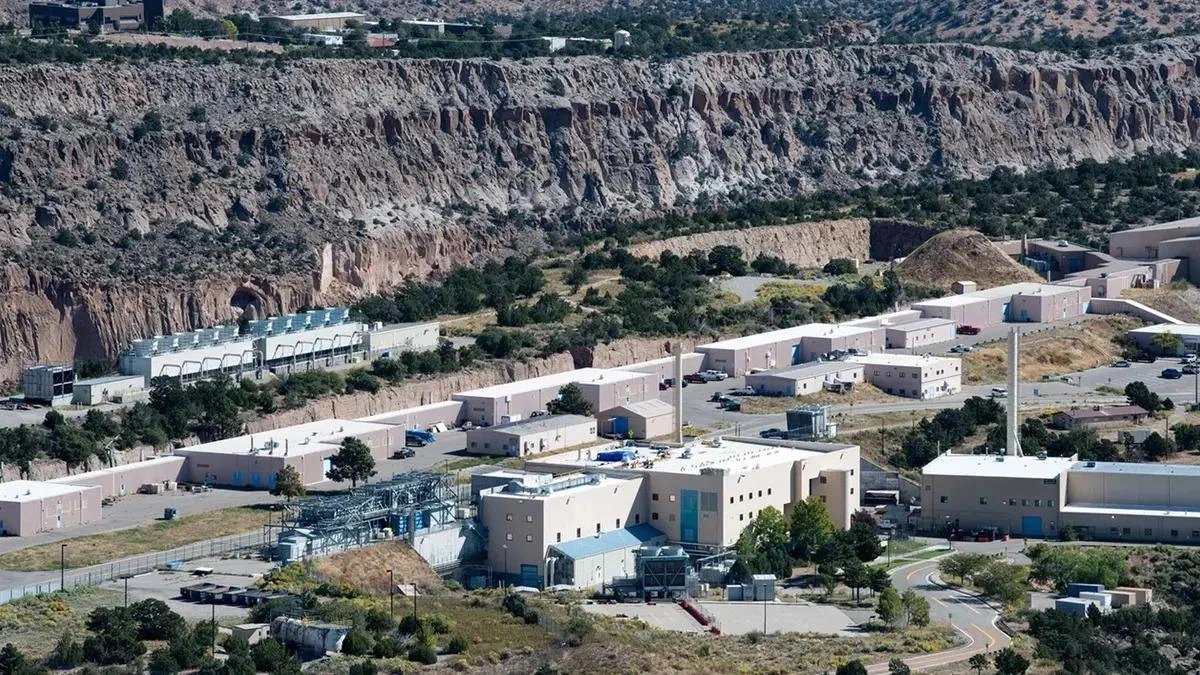
This digest was compiled by AI from multiple sources — links to the originals are below.
The U.S. National Nuclear Security Administration approved the first phase of the LANSCE Accelerator Modernization Project on June 1, authorizing design work to replace the accelerator's front end. The project aims to extend the life of the Los Alamos Neutron Science Center, the last U.S. facility with irreplaceable high-voltage generator technology, through 2050. Estimated cost ranges from $687 million to $1 billion.
Key Facts
- NNSA approved Critical Decision-1 for the LAMP project on June 1, 2026.
- The project will replace the drift tube linear accelerator front end with modern ion sources and other components.
- Estimated project cost is between $687 million and $1 billion.
- LANSCE is the only U.S. facility combining dynamic proton radiography, materials science, neutron scattering, and nuclear physics with authorization for hazardous materials and classified data.
- A major failure in 2019 required emergency intervention at the facility.
Project Approval
The National Nuclear Security Administration approved Critical Decision-1 for the LANSCE Accelerator Modernization Project on June 1, 2026. The approval was authorized by the Deputy Secretary of Energy and launches development of plans to replace the accelerator's front end. The project is designated LAMP and will extend facility operations to 2050.
Facility Deterioration
LANSCE has operated since the early 1970s and its infrastructure is nearing the end of its service life. Components are failing, downtime is increasing, and beam quality is declining. The most severe incident occurred in 2019 when a failure required emergency intervention. The drift tube linear accelerator, the main element of the front end, has already undergone major repairs.
National Security Role
LANSCE is the only U.S. site combining dynamic proton radiography, materials science, neutron scattering, and nuclear physics with authorization to handle hazardous materials and classified data. This combination enables qualification of weapons components for the nuclear stockpile, generation of nuclear data for simulations, and radiochemistry research for threat assessment. The project will serve both NNSA customers and civilian users. Charlie Nakhleh, associate laboratory director for weapons, called CD-1 a clear path to preserving world-class capabilities required by the national security mission.
1 source
Time · lag behind first