
Sri Lanka mass grave yields 572 remains, families demand answers
This digest was compiled by AI from multiple sources — links to the originals are below.
Archaeologists in Sri Lanka's Jaffna region have unearthed skeletal remains of 572 people, including children, at a mass grave in Chemmani. The discovery has renewed calls from Tamil families for an investigation into wartime disappearances. The excavation has moved slowly, fueling protests in the north.
Key Facts
- Archaeologists completed the third phase of excavation at Chemmani by August, finding skeletal remains of 572 people, including children and infants.
- The site is believed to be the largest mass grave ever uncovered in Sri Lanka.
- The Sri Lankan civil war lasted from 1983 to 2009, killing an estimated 100,000 people and leaving about 23,000 missing, mostly Tamils.
- In 1995, the Sri Lankan army captured the Jaffna Peninsula from the Liberation Tigers of Tamil Eelam (LTTE).
The Chemmani Discovery
Workers digging to extend a cremation ground in Chemmani, Jaffna region, discovered human remains in February. By August, archaeologists had completed the third phase of excavation, uncovering skeletal remains of 572 people, including children and infants. Personal artefacts found among the remains included bangles, a school bag, and a milk bottle. The site is believed to be the largest mass grave ever uncovered in Sri Lanka.
Families' Search for Answers
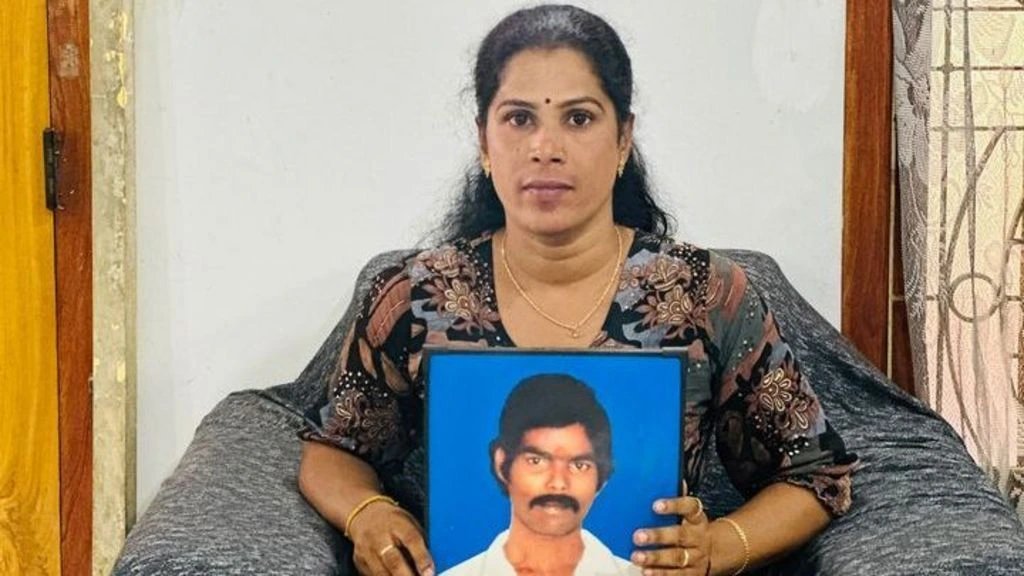
Jeyaruby Jeyabalan, whose father Kandaiah Jayapalan disappeared when she was 12, hopes the grave holds answers about her father's fate. Many Tamils believe the grave contains victims of extrajudicial killings carried out during the civil war. Families are calling for an investigation and justice, but the excavation process has moved slowly, testing their patience. The discovery has fuelled anger among Tamils, who have long demanded a thorough inquiry into disappearances. The grave has become a rallying point for renewed protests in Sri Lanka's north.
Civil War Context
The Sri Lankan civil war lasted from 1983 to 2009, dividing the island along ethnic lines. Tamil Tiger rebels fought for an independent state in the north-east, citing systematic discrimination by the Sinhalese-dominated government. The conflict killed an estimated 100,000 people and left about 23,000 missing, mostly Tamils. In 1995, the Sri Lankan army captured the Jaffna Peninsula from the Liberation Tigers of Tamil Eelam (LTTE), a key turning point in the war.
3 sources
Time · lag behind first