
Fed rate cut signals shift, but credit card APRs stay near 21%
This digest was compiled by AI from multiple sources — links to the originals are below.
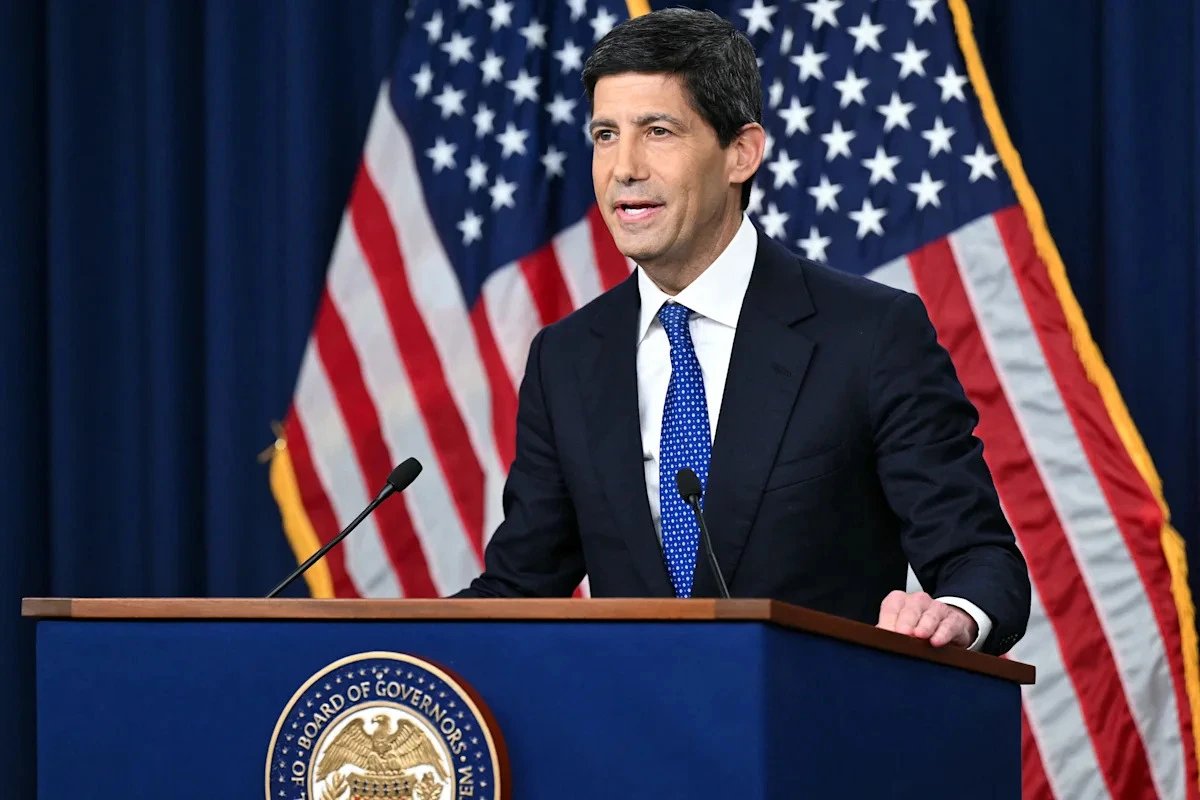
The Federal Reserve lowered its target federal funds rate range by 25 basis points to 3.75%-4.00% on Sept. 16, its first cut since July 2023. Average credit card interest rates remain just below 21%, while total U.S. credit card balances sit around $1.26 trillion.
Key Facts
- The Fed lowered its target federal funds rate range by 25 basis points to 3.75%-4.00% on Sept. 16, the first cut since July 2023.
- Average credit card interest rates rose from 14.56% in February 2022 to 21.47% by the end of 2023.
- Total U.S. credit card balances surpassed $1 trillion in 2023 and now stand at about $1.26 trillion.
- Credit card balances delinquent by 90 or more days increased from 7.6% in 2022 to 12.8% in 2026.
Rate Decision
The Federal Open Market Committee lowered the target federal funds rate range by 25 basis points on Sept. 16, bringing it to 3.75%-4.00%. This marks the first Fed rate cut since July 2023. The move follows a period of elevated rates that saw the federal funds target range rise from 0.25%-0.50% in March 2022 to 4.25%-4.50% by December 2022.
Credit Card Impact
Average credit card interest rates increased from 14.56% in February 2022 to 19.07% by November 2022, and reached 21.47% by the end of 2023. Today, average credit card rates still hover just below 21%. Total U.S. credit card balances surpassed $1 trillion for the first time in 2023 and now sit around $1.26 trillion. The share of credit card balances delinquent by 90 or more days rose from 7.6% in 2022 to 12.8% in 2026.
APR Margins
The gap between the prime rate and credit card APRs widened as interest rates increased throughout 2022 and 2023. In February 2024, APR margins hit an all-time high. This margin is a separate factor keeping credit card APRs high regardless of Fed decisions.
1 source
Time · lag behind first