
Russia's wartime parliament vote ends as opposition unites behind anti-war candidates
This digest was compiled by AI from multiple sources — links to the originals are below.
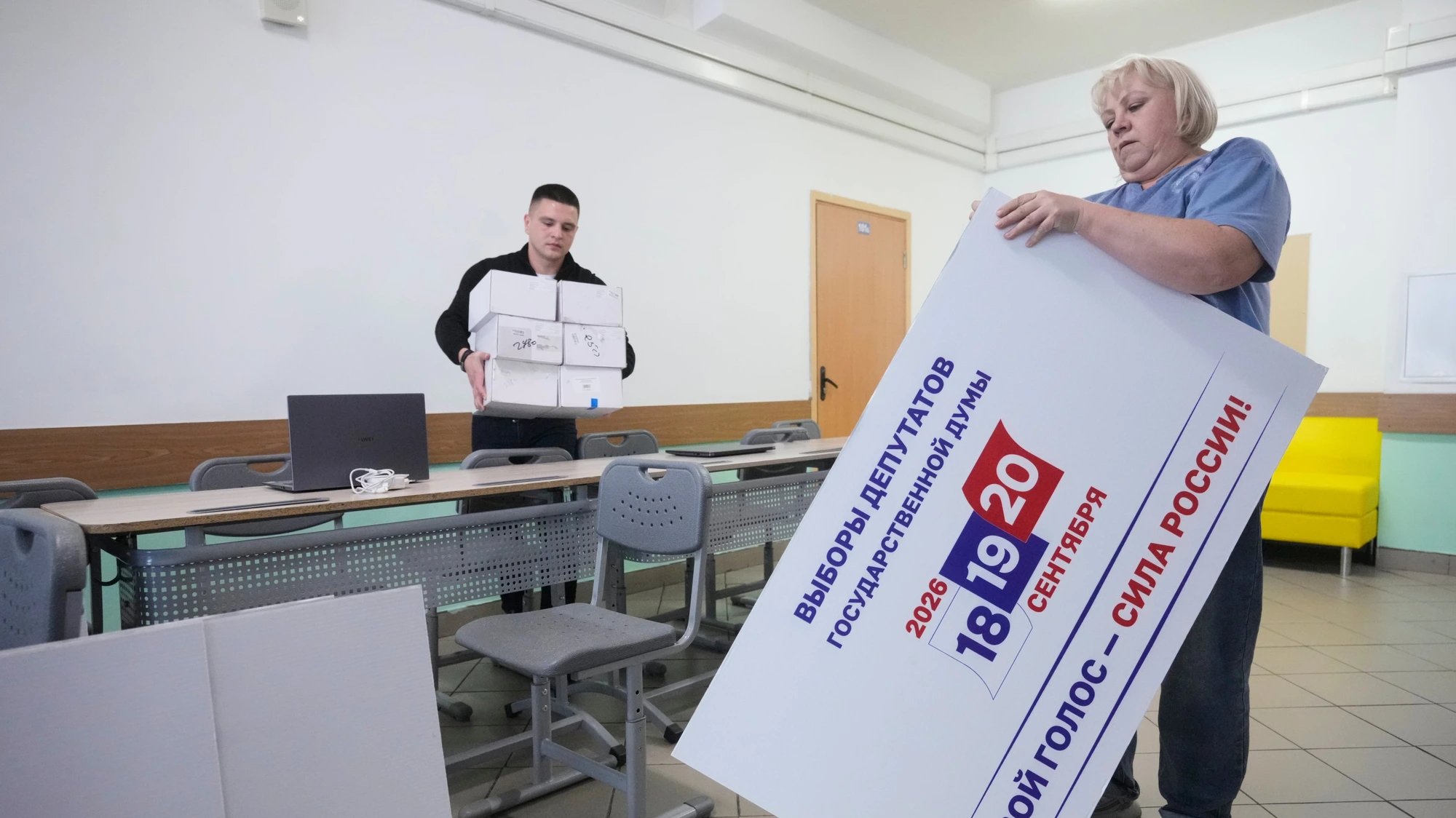
Russia's first wartime parliamentary election concludes on September 20, with voters electing 450 State Duma deputies and regional leaders in 11 areas. Opposition figures Maksim Kats and Yulia Navalnaya have issued a joint list of recommended candidates, urging support for the strongest rivals of the ruling United Russia party. The anti-war Yabloko party was barred from the ballot, but some of its candidates are running, and its observers reported being denied access to polling stations after the first day.
Key Facts
- Voting in Russia's State Duma elections began on September 18 and ends on September 20, 2026.
- Russians will elect 450 State Duma deputies and regional leaders in 11 regions, including Belgorod, Bryansk, and Chechnya.
- Maksim Kats and Yulia Navalnaya published a joint list of recommended candidates, urging voters to back the strongest rivals of United Russia.
- The anti-war Yabloko party was barred from the election, but some of its candidates are running, and party observers reported being denied access to polling stations after the first day.
Wartime Parliamentary Vote
Russia is holding its first parliamentary election since the start of the war, with voting running from September 18 to September 20. Voters will elect 450 deputies to the ninth State Duma, the first new mandate since the pre-war parliament. Regional leadership elections are also being held in 11 areas, including Belgorod and Bryansk oblasts on the border with Ukraine, and Chechnya.
Opposition Unity and Anti-War Candidates
Maksim Kats, currently the most popular politician among Russians, and Yulia Navalnaya, widow of the late opposition leader Aleksei Navalny, released a joint list of recommended candidates. The opposition called on voters to support the strongest rivals of the ruling United Russia party. The anti-war Yabloko party was excluded from the ballot, but some of its candidates are participating in the elections. Yabloko reported after the first day of voting that its observers were not allowed into polling stations en masse.
1 source
Time · lag behind first