
China's grid emits top climate super-pollutant SF6, recycling lags
This digest was compiled by AI from multiple sources — links to the originals are below.
China's electric grid is the largest emitter of sulfur hexafluoride, a greenhouse gas 24,300 times more potent than CO2. The Ministry of Ecology and Environment says utilities recycle 90% of waste SF6, but Inside Climate News estimates the actual rate is around 30%. Raising recycling to 90% could cut China's SF6 emissions by nearly one-third at a cost of about $6 million per year.
Key Facts
- Sulfur hexafluoride is 24,300 times more effective at warming the planet than carbon dioxide and remains in the atmosphere for 1,000 years.
- China's Ministry of Ecology and Environment states that utilities recycle 90% of waste SF6, but Inside Climate News estimates the actual rate is around 30%.
- Increasing SF6 recycling by approximately 1,400 metric tons per year could reduce China's total emissions of the pollutant by nearly one-third at a cost of about $6 million per year.
- China invests approximately $70 billion annually in its electric grid, making the $6 million recycling cost a small fraction of that investment.
SF6 Emissions
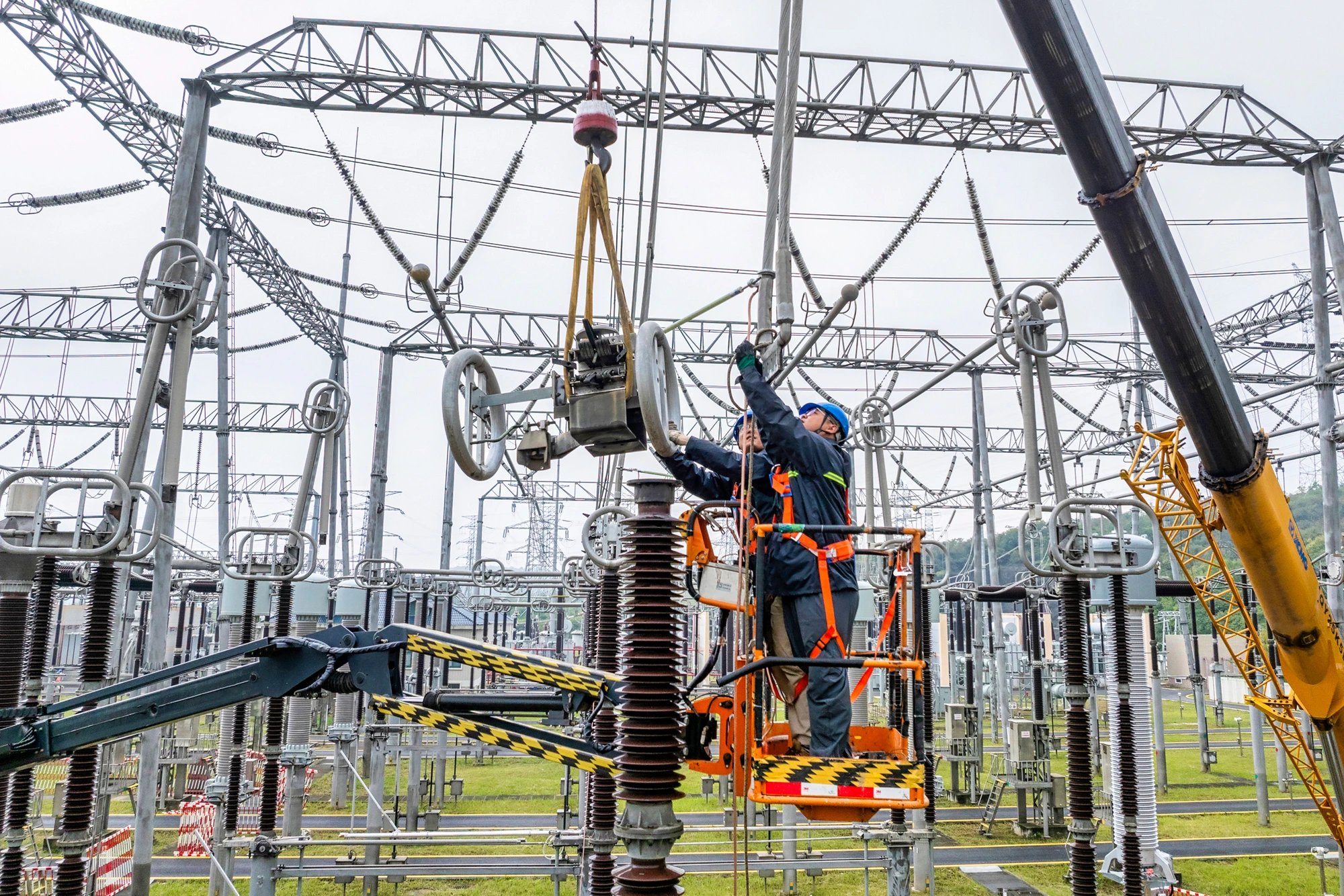
China's electric grid is the largest emitter of sulfur hexafluoride, a synthetic chemical used as an electrical insulator in high-voltage equipment. The gas is odorless, invisible, non-toxic, and non-flammable, but it is 24,300 times more effective at warming the planet than carbon dioxide on a pound-for-pound basis. Once released, sulfur hexafluoride remains in the atmosphere for 1,000 years. Emissions come primarily from the electric power sector, where the gas is used in circuit breakers and other high-voltage equipment to prevent electricity from arcing. When electrical equipment in China reaches the end of its useful life, much of the gas is likely vented into the atmosphere.
Recycling Gap
China's Ministry of Ecology and Environment recently stated that electric utilities recycle or have the ability to recycle 90 percent of their waste SF6 gas. Inside Climate News estimates the actual recycling rate is substantially lower, around 30 percent. The companies could increase their recycling rate to approximately 90 percent at little cost for a significant reduction in greenhouse gas emissions. The analysis draws on hundreds of pages of government documents, annual reports from the country's leading electric utilities, peer-reviewed studies, and interviews with dozens of academics and policy experts.
Mitigation Potential
Inside Climate News estimated that China's state-owned electric transmission and distribution companies could increase the amount of sulfur hexafluoride they recycle from electrical equipment by approximately 1,400 metric tons of SF6 per year. Doing so would likely reduce the country's total emissions of the pollutant across all sectors by nearly one-third at an estimated cost of about $6 million per year. That cost is a small fraction of the approximately $70 billion invested annually in China's electric grid. Deborah Ottinger, a former fluorinated greenhouse gas emissions analyst for the U.S. Environmental Protection Agency, called the situation 'a three-alarm fire' and said recycling is 'a very obvious thing that can be implemented immediately.'
1 source
Time · lag behind first