
Afghan medical students in Pakistan face deportation as court weighs stay
This digest was compiled by AI from multiple sources — links to the originals are below.
Pakistan's Medical and Dental Council has ordered Afghan medical and dental students to return to Afghanistan, threatening regulatory action for non-compliance. A Lahore High Court stay temporarily halts deportations in Punjab until a hearing on Friday. The directive has drawn condemnation from Amnesty International and former Pakistani envoys.
Key Facts
- Pakistan's Medical and Dental Council ordered all Afghan medical and dental students to return to Afghanistan, warning that non-compliance would be 'viewed seriously' and could lead to regulatory action.
- A Lahore High Court stay order temporarily prevents deportation of Afghan students in Punjab until a hearing scheduled for Friday.
- Amnesty International called the decision 'patently discriminatory and arbitrary', citing Pakistan's obligations under international human rights law.
- Since 2023, hundreds of thousands of Afghans have been deported from Pakistan, and over two million have left, according to the UN.
- The PMDC's lawyer told the BBC that none of the Afghan students were registered with the council, while students say registration is the responsibility of their colleges.
The Deportation Order
Earlier this month, Pakistan's Medical and Dental Council issued a letter to all medical and dental colleges in the country stating that Afghan students must return to their home country. The letter warned that failure to follow the directive would be 'viewed seriously' and may lead to regulatory action. A temporary stay order from the Lahore High Court stopped students in Punjab, such as Nooria, from being deported immediately until the next hearing, scheduled for Friday. There is no certainty that the stay will continue beyond that hearing.
Student Impact and Reaction
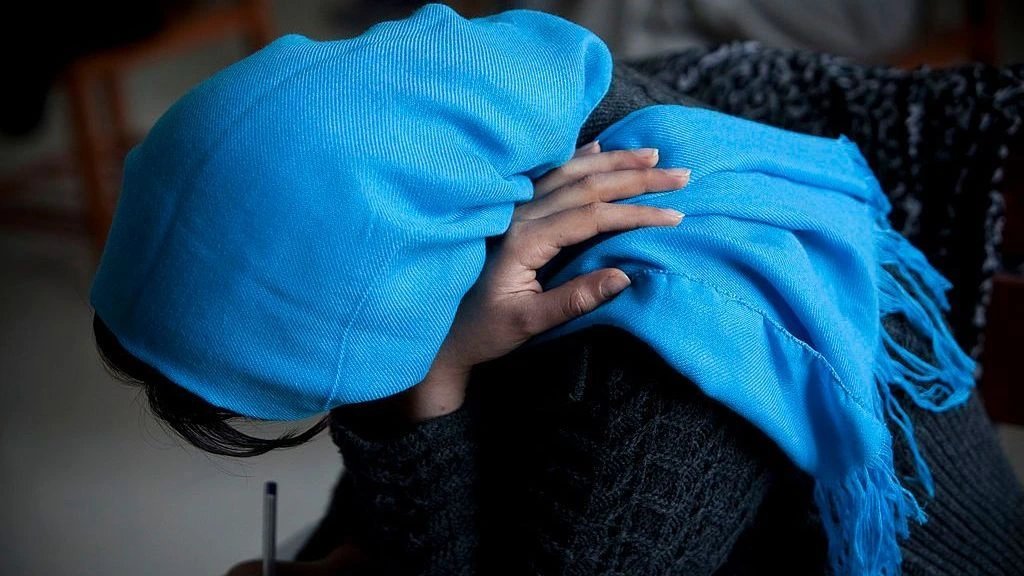
Nooria, a female medical student from Afghanistan, fears she could be sent back to Afghanistan, where women are barred from studying or working by the Taliban government. She recalled a 13-year-old boy in her village who died of appendicitis because the road was blocked, which motivated her to become a doctor. Amnesty International called the decision 'patently discriminatory and arbitrary' and said Pakistan has obligations under international human rights law to uphold the right to education without discrimination on the basis of national origin. Several of Pakistan's former envoys to Afghanistan urged the council to reconsider, with one calling it 'shocking' and 'a question of humanity, compassion and Pakistan's own moral responsibility'.
Registration Dispute and Context
The PMDC's lawyer told the BBC that none of the Afghan students were registered with the council, while students say registration is the responsibility of their colleges, not them. A notification issued by the PMDC earlier this year directs colleges to ensure that students are registered. Since 2023, hundreds of thousands of Afghans have been deported from Pakistan and over two million have left, according to the UN. Pakistan has accused Afghanistan's Taliban government of harbouring militant groups, which it denies, and the relationship between the two countries has dramatically deteriorated in the last year.
1 source
Time · lag behind first