
China's oil supply squeeze deepens as Middle East routes shut and prices hit records
This digest was compiled by AI from multiple sources — links to the originals are below.
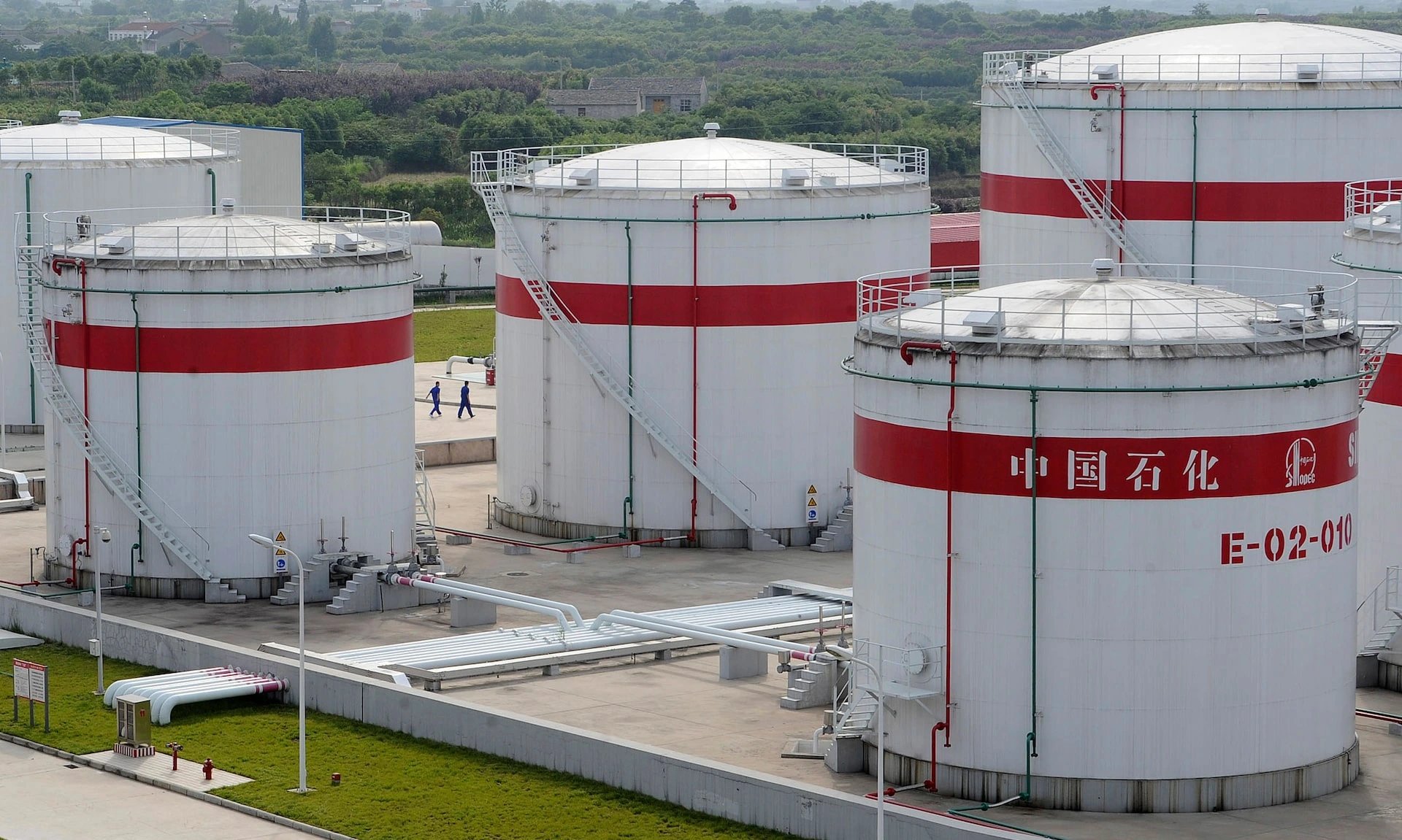
China's oil imports face record prices as Saudi Arabia shuts a key pipeline and the Strait of Hormuz is disrupted, cutting two vital supply routes. Chinese refiners are forced to seek alternative supplies, adding pressure to global oil markets. The crisis comes ahead of talks between Xi Jinping and Donald Trump.
Key Facts
- Saudi Arabia shut a key pipeline carrying crude across the Arabian Peninsula to the Red Sea following attacks by an Iran-backed group in Iraq.
- China was importing roughly 12 million barrels of crude a day and producing another 4.4 million barrels domestically before the war.
- China's strategic oil stockpiles had grown to an estimated 1.4 billion barrels by the end of last year.
- Chinese Foreign Minister Wang Yi met his Iranian counterpart Abbas Araghchi in Beijing on Wednesday.
Supply Disruptions
Saudi Arabia was forced to shut a key pipeline that had become an important route for getting oil to China and other Asian markets. The pipeline, which carries crude across the Arabian Peninsula to the Red Sea, was shut following attacks by an Iran-backed group in Iraq. Disruption in the Strait of Hormuz restricted exports through the Gulf, leaving two vital routes for Middle Eastern oil to China both disrupted. With access to Russian and Iranian crude complicated by US sanctions, Chinese refiners are being forced to search further afield for supplies.
Market Impact
Oil prices in China have surged to record highs amid mounting disruptions to exports from the Middle East. The scramble for available barrels is adding to pressure on oil prices, both in China and globally. China helped absorb the first oil shock by buying more oil than its refineries needed and funneling surplus into vast stockpiles. As the world's largest crude importer, China's decision to buy fewer barrels removed demand at the moment global supplies were being squeezed.
Diplomatic Response
Restoring oil flows through the Strait of Hormuz has become a pressing economic and diplomatic priority for Beijing ahead of talks between Xi Jinping and Donald Trump. The meeting follows talks in Beijing on Wednesday between Chinese Foreign Minister Wang Yi and his Iranian counterpart, Abbas Araghchi. Energy analyst Marc Ayoub told Al Jazeera that China is in a critical situation, with refiners increasingly looking into the market for players outside of Hormuz. Trita Parsi of the Quincy Institute said it lies in China's interests that the conflict does not lead to a global recession.
1 source
Time · lag behind first