
Uzbekistan Central Bank to further diversify $72bn reserves
This digest was compiled by AI from multiple sources — links to the originals are below.
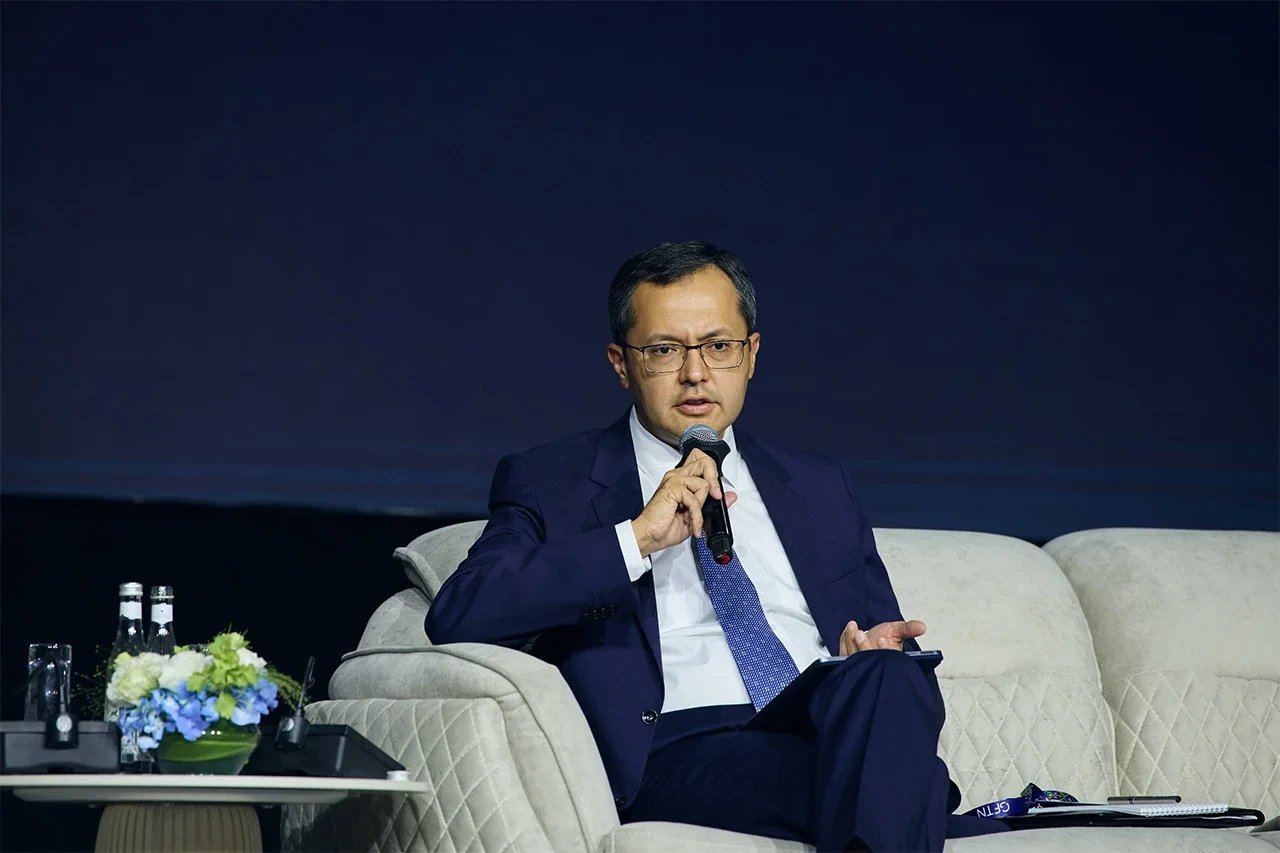
Uzbekistan's Central Bank will continue diversifying its international reserves across asset classes, currencies and counterparties, Chairman Timur Ishmetov said at the first International Forum on Public Asset Management in Tashkent on September 18. The forum brought together 77 delegates from 35 organizations managing over $36 trillion in assets. Uzbekistan's international reserves exceeded $72 billion as of September 1, enough to cover more than a year of imports.
Key Facts
- Uzbekistan's international reserves exceeded $72 billion as of September 1, 2026, enough to cover more than a year of imports.
- The Central Bank increased its gold reserves by about 50 tonnes in the first half of 2026, the second-largest increase among central banks worldwide according to the World Gold Council.
- Foreign currency purchases in Uzbekistan rose 17.3% to $44.3 billion in January–August 2026, with businesses buying $34.7 billion and households $9.6 billion.
- The Central Bank joined the World Bank's Reserve Advisory and Management Partnership (RAMP) program in 2020 and bought US Treasury bonds for the first time in 2024.
- The Central Bank changed its official exchange rate calculation methodology on September 15, 2026, now incorporating transactions from both the currency exchange and the interbank market.
Reserve Diversification Strategy
Chairman Timur Ishmetov announced the Central Bank's intention to continue diversifying international reserves by asset class, currency, and counterparty at the forum in Tashkent. He stated that the bank will not rely solely on its own judgment when making these decisions. Ishmetov identified transferring part of the assets to external management as one possible direction. The Central Bank's reserve management system is built on three principles: safety, liquidity, and profitability, in that order.
Gold Reserves and Market Activity
The Central Bank increased its gold reserves by approximately 50 tonnes in the first half of 2026. According to World Gold Council data cited by Ishmetov, this was the second-largest increase among central banks globally. Foreign currency purchases in Uzbekistan reached $44.3 billion in January–August 2026, up 17.3% from the same period a year earlier. Businesses accounted for $34.7 billion of purchases, while households bought $9.6 billion. The dollar exchange rate ranged from 11,779 to 12,320 soums during the period, ending 1.5% higher.
Institutional Development
The Central Bank joined the World Bank's RAMP program in 2020 and continues cooperation on international reserve management. In 2024, the regulator purchased US Treasury bonds for the first time, a step Ishmetov called important for portfolio diversification. Ishmetov emphasized that institutional capacity matters as much as portfolio structure, stating, "A portfolio can be rebuilt in a week. An institution cannot." The Central Bank changed its official exchange rate calculation methodology on September 15, 2026, now including transactions from both the currency exchange and the interbank market.
2 sources
Time · lag behind first