
Kazakhstan postpones solid minerals royalty to January 1, 2029
This digest was compiled by AI from multiple sources — links to the originals are below.
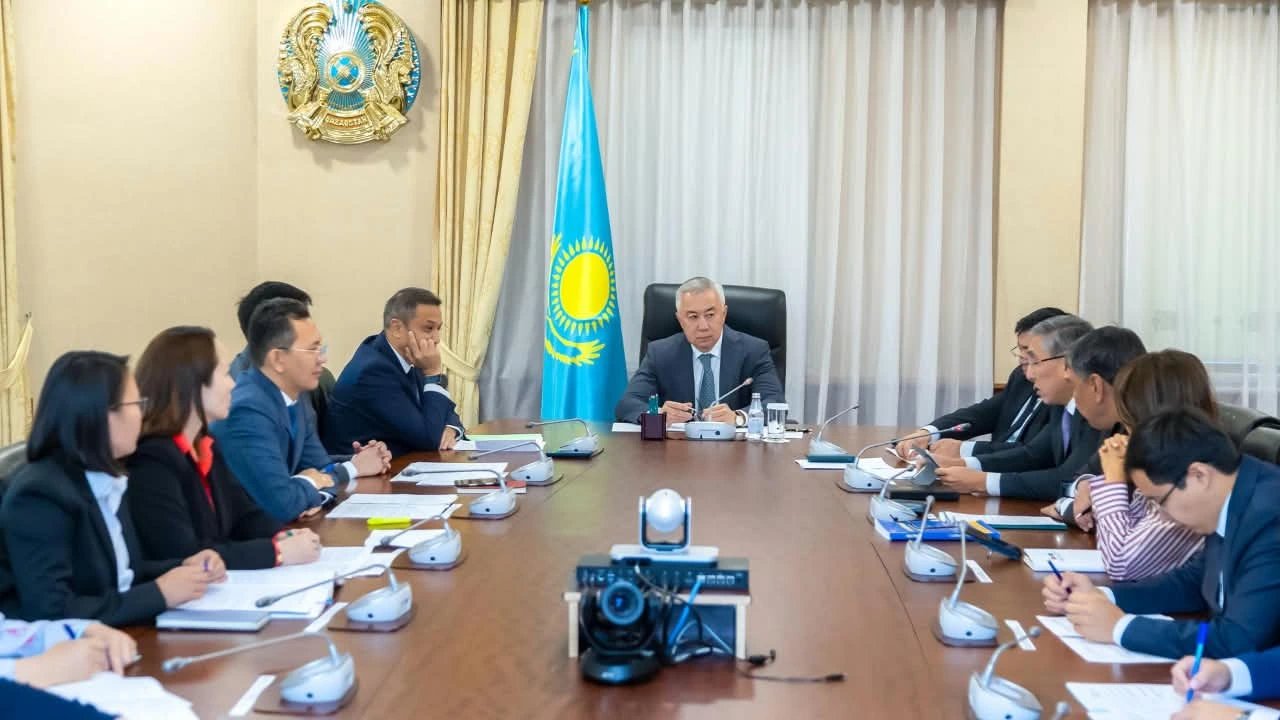
Kazakhstan will postpone the introduction of a royalty on solid minerals from January 1, 2027 to January 1, 2029. The decision was supported at the 28th meeting of the Project Office for the implementation of the new Tax Code chaired by Deputy Prime Minister Serik Zhumangarin. The Ministry of Industry and Construction proposed the delay to allow further work on tax base, rates, and administration.
Key Facts
- The royalty on solid minerals was originally scheduled to take effect on January 1, 2027.
- The new start date for the royalty is January 1, 2029.
- The royalty would apply to mineral raw materials and solid minerals extracted under licenses issued after December 31, 2026 in areas where subsoil use rights were not previously granted.
- The Ministry of Industry and Construction proposed the postponement at the 28th meeting of the Project Office for the implementation of the Tax Code.
- The meeting also discussed exempting individuals from individual income tax when problem debts on loans and microloans are written off.
Royalty Postponement
The Ministry of Industry and Construction proposed moving the royalty start date from January 1, 2027 to January 1, 2029. Participants at the 28th meeting of the Project Office for the implementation of the new Tax Code supported the postponement. The meeting was chaired by Deputy Prime Minister and Minister of National Economy Serik Zhumangarin. The royalty would be paid on the sale of mineral raw materials and solid minerals, including processed ones, extracted under licenses issued after December 31, 2026 in areas where subsoil use rights were not previously granted. The Ministry of Industry and Construction said the issues require inter-industry coordination and testing on financial and economic models of enterprises.
Tax Base and Rates
Further work is needed on determining the tax base for technogenic mineral formations, administering the royalty, and setting rates. The rates must take into account the specifics of new licenses, capital intensity of projects, and profitability of associated components. The Ministry of Industry and Construction stated that these issues require inter-industry coordination and testing on financial and economic models of specific enterprises.
Debt Write-off Tax Exemption
The meeting also considered exempting individuals from individual income tax when problem debts on loans and microloans are written off. The Agency for Regulation and Development of the Financial Market proposes to expand the mechanism and restore the procedure that was in effect until January 1, 2026. Under that procedure, amounts of debt forgiven by banks, microfinance organizations, and certain financial organizations were not included in an individual's taxable income. Overdue debts of 1.37 million Kazakhstanis to banks and microfinance organizations exceeded 2.5 trillion tenge as of the meeting date.
6 sources
Time · lag behind first