
US Congress passes bill imposing tariffs on Russian oil buyers
This digest was compiled by AI from multiple sources — links to the originals are below.
The US House of Representatives passed the Lindsey O Graham Sanctioning Russia Act of 2026 on Wednesday, granting President Donald Trump authority to impose tariffs up to 100% on buyers of Russian energy. The bill targets China and India, which together purchase about 87% of Russian crude exports. The measure now goes to Trump for signature.
Key Facts
- The bill authorizes tariffs of up to 100% on exports to the US from the top five purchasers of Russian energy, military equipment, or countries facilitating sanctions evasion.
- China buys about half of Russian crude oil exports, followed by India at 37%, according to August data from the Centre for Research on Energy and Clean Air.
- The legislation also imposes new sanctions on Russian President Vladimir Putin and more than 20 top officials and companies working with the Russian defence industry.
- The US imported $3.8 billion in goods from Russia in 2025.
- India's Ministry of External Affairs said New Delhi had raised the issue with US interlocutors and articulated potential implications for bilateral relations and the international energy market.
The Legislation
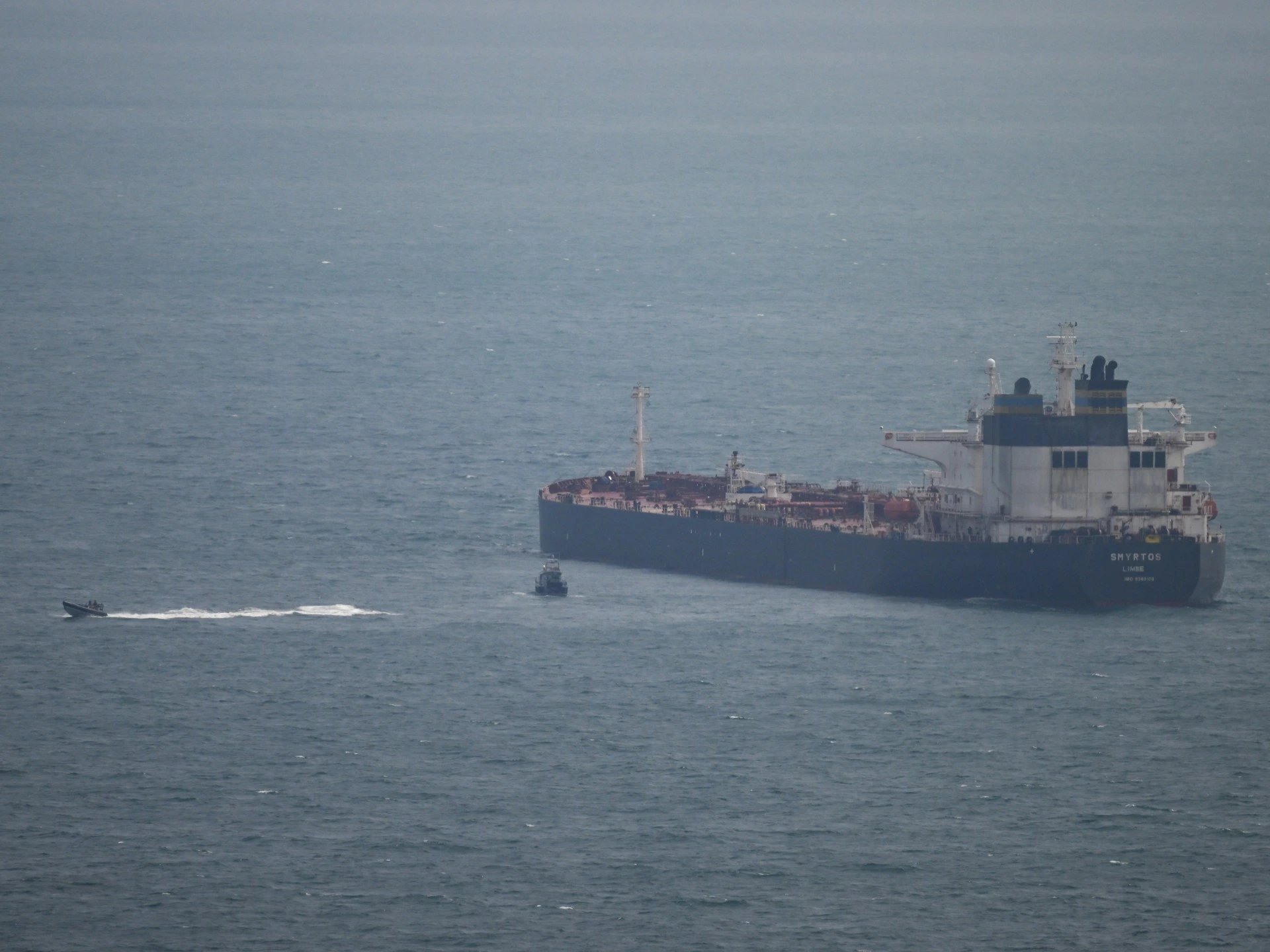
The Lindsey O Graham Sanctioning Russia Act of 2026, named after the late senator who died in July, is designed to curtail the economic pipeline funding Russia's war against Ukraine. The bill gives the president authority to impose sanctions by invoking the International Emergency Economic Powers Act. Tariffs of up to 500% can also be applied to Russian imports directly into the US. The legislation targets Russia's 'shadow fleet' of oil tankers and the network used to evade international sanctions on energy exports.
Buyer Impact
China and India are the top two buyers of Russian energy and likely to be hit hardest by the new legislation. Turkiye and the European Union each import about 5% of Russian crude exports, according to the CREA report. India's attempts to diversify away from Russian energy were disrupted by the shutdown of the Strait of Hormuz. Hours after the US Congress approved the bill, the Indian Ministry of External Affairs said New Delhi had raised the issue with various US interlocutors in recent months.
1 source
Time · lag behind first