
US consumers face $1,760 per household cost from Iran war oil and rate surge
This digest was compiled by AI from multiple sources — links to the originals are below.
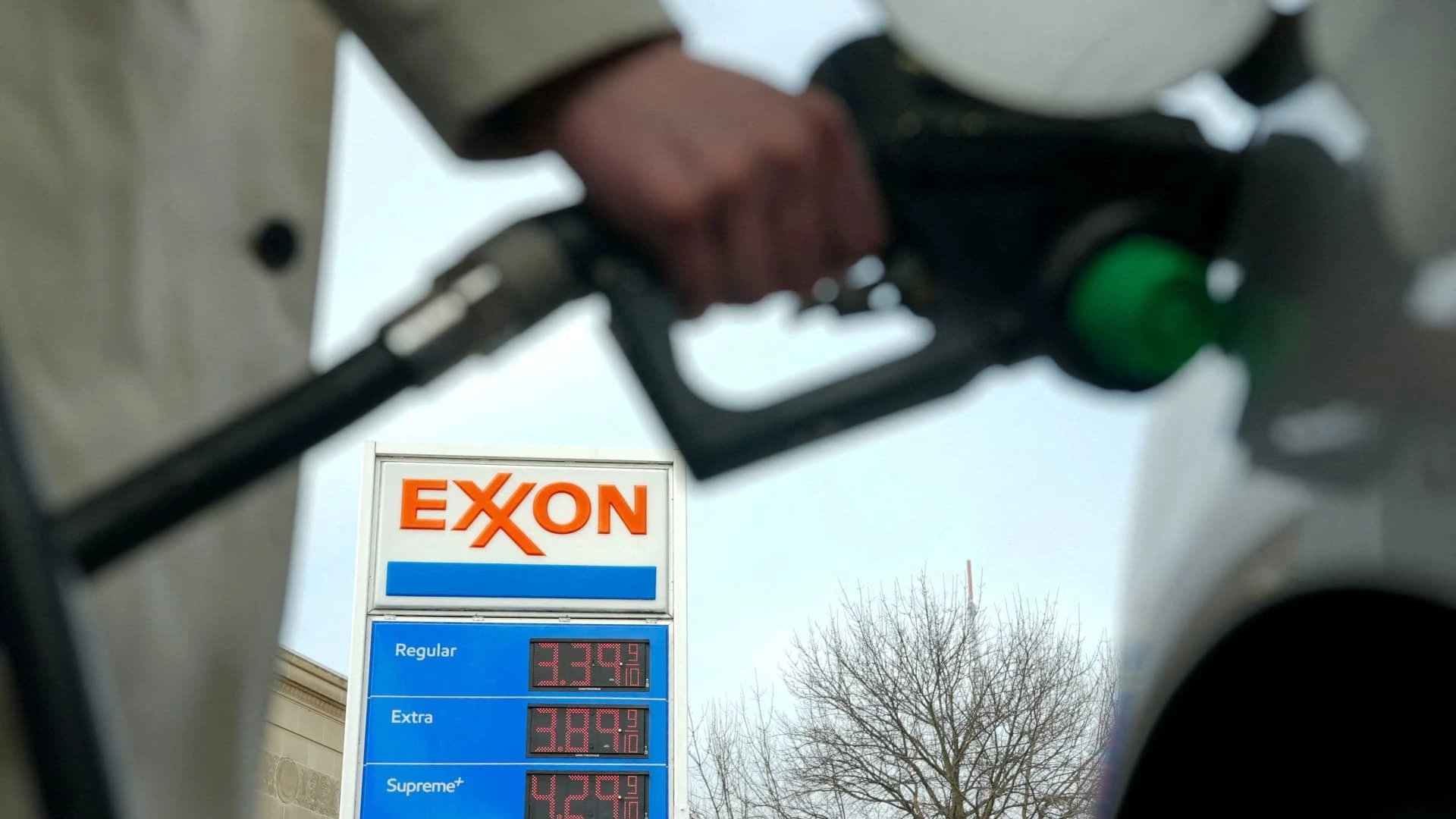
US consumers face an estimated $1,760 per household in added costs since the US-Iran conflict began, driven by higher energy prices and interest rates. Crude oil topped $105 per barrel and the 10-year Treasury yield hit a 19-year high this week. The average US gasoline price exceeded $4.32 per gallon, up 36% from a year ago.
Key Facts
- Moody's Analytics estimates the total added cost per US household since the US-Iran conflict began at $1,760 as of Sept. 11.
- US crude oil prices closed above $105 per barrel on Tuesday, the highest since mid-May.
- The average US gasoline price exceeded $4.32 per gallon on Tuesday, up 36% from a year ago, according to AAA.
- The 10-year Treasury yield jumped this week to its highest level in 19 years.
- US consumers have spent more than $121 billion extra on energy since the war began, according to Moody's.
Household Cost Breakdown
Moody's Analytics chief economist Mark Zandi said $930 of the $1,760 per household total comes from higher energy costs, including gasoline, diesel, and jet fuel. Another $425 stems from higher interest rates since the war broke out. The remaining $405 comes from higher military spending, which Zandi said consumers will pay for through national debt expansion or increased taxes. Cumulatively, US consumers have spent more than $121 billion extra on energy since the war began.
Fuel Price Surge
US crude oil prices topped $105 per barrel on Tuesday, the highest closing level since mid-May. The average gallon of gas in the US exceeded $4.32 on Tuesday, up 6% month over month and 36% from a year ago, according to AAA. Per-gallon diesel prices hit all-time highs above $6 in recent days, roughly 70% higher than the same day a year prior, per AAA. Slightly over 29% of respondents to the University of Michigan consumer sentiment survey mentioned gas prices in September, up from 12% in September 2024 and 6% in September 2025.
Inflation and Borrowing Costs
The 10-year Treasury yield jumped this week to its highest in 19 years, threatening to intensify affordability challenges for homes and cars. Deloitte found that a 20% gain in crude oil prices translates to an estimated increase in inflation of about three-tenths of a percentage point. Economists have warned that companies could pass on higher diesel costs to consumers in the form of price hikes for groceries and other goods.
1 source
Time · lag behind first