
Kazakhstan Kurultai chair gains sole power to discipline deputies for ethics breaches
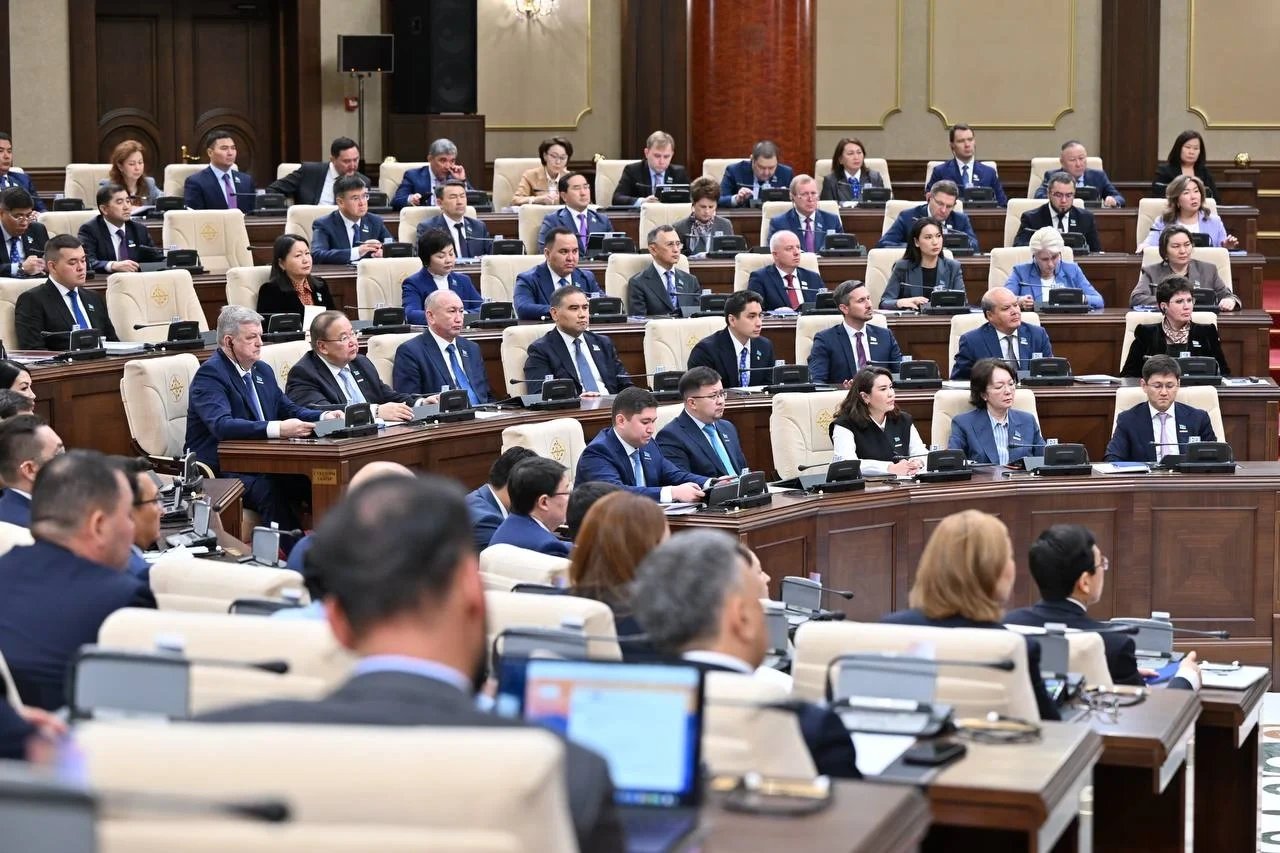
This digest was compiled by AI from multiple sources — links to the originals are below.
The Kurultai of Kazakhstan adopted a regulation on September 10, 2026, giving its chair sole authority to impose penalties on deputies for ethics violations, including statements in media and social networks deemed false by the chamber. The chair will issue such penalties by personal order. A multiparty Ethics Council will be created under the chair, but its decisions will be advisory only.
Key Facts
- The Kurultai regulation adopted on September 10, 2026, gives the chair sole authority to discipline deputies for ethics violations, including statements in media and social networks deemed false by the chamber.
- Penalties range from reprimand and a demand for public apology to deprivation of the floor, removal from one or three sessions, and deduction of one day's salary.
- The Ethics Council under the chair will include representatives of factions and committee chairs, but its decisions are advisory and the chair is not obliged to follow them.
- The chair of the Kurultai is nominated by the president, and deputies have an imperative mandate: leaving or being expelled from the party on whose list they were elected automatically terminates their seat.
Disciplinary Powers
The regulation adopted on September 10, 2026, empowers the chair of the Kurultai to personally decide on penalties for deputies who violate ethics rules. Violations include statements in media and social networks that the chamber considers unreliable. The chair formalizes each penalty by his own order. Available measures include reprimand, a demand for public apology, deprivation of the floor, removal from one or three sessions, and deduction of one day's salary.
Ethics Council
A multiparty Ethics Council will be created under the chair, bringing together representatives of factions and committee chairs. The council's decisions are advisory: the chair may take them into account but is not obliged to do so. A similar ethics council operated in the Mazhilis from 2016, so the new body adapts an existing mechanism to the new unicameral structure. As of publication, the Ethics Council has not yet been formed and no case of applying the new rule is known.
Institutional Context
The chair of the Kurultai is nominated by the president. Deputies hold an imperative mandate: if they leave or are expelled from the party on whose list they were elected, they automatically lose their seat.
1 source
Time · lag behind first