
Kazakhstan to study Korean small modular reactor technologies for possible deployment
This digest was compiled by AI from multiple sources — links to the originals are below.
Kazakhstan will study South Korea's small modular reactor (SMR) technologies and assess their applicability under the national atomic energy development strategy through 2050. The work includes identifying priority areas for possible deployment and is part of broader nuclear cooperation between the two countries.
Key Facts
- Kazakhstan's atomic energy development strategy through 2050 provides for analysis of SMR applicability and identification of priority areas for possible deployment.
- South Korea is considered one of the international leaders in nuclear energy, with Korean companies and research organizations developing promising SMR projects.
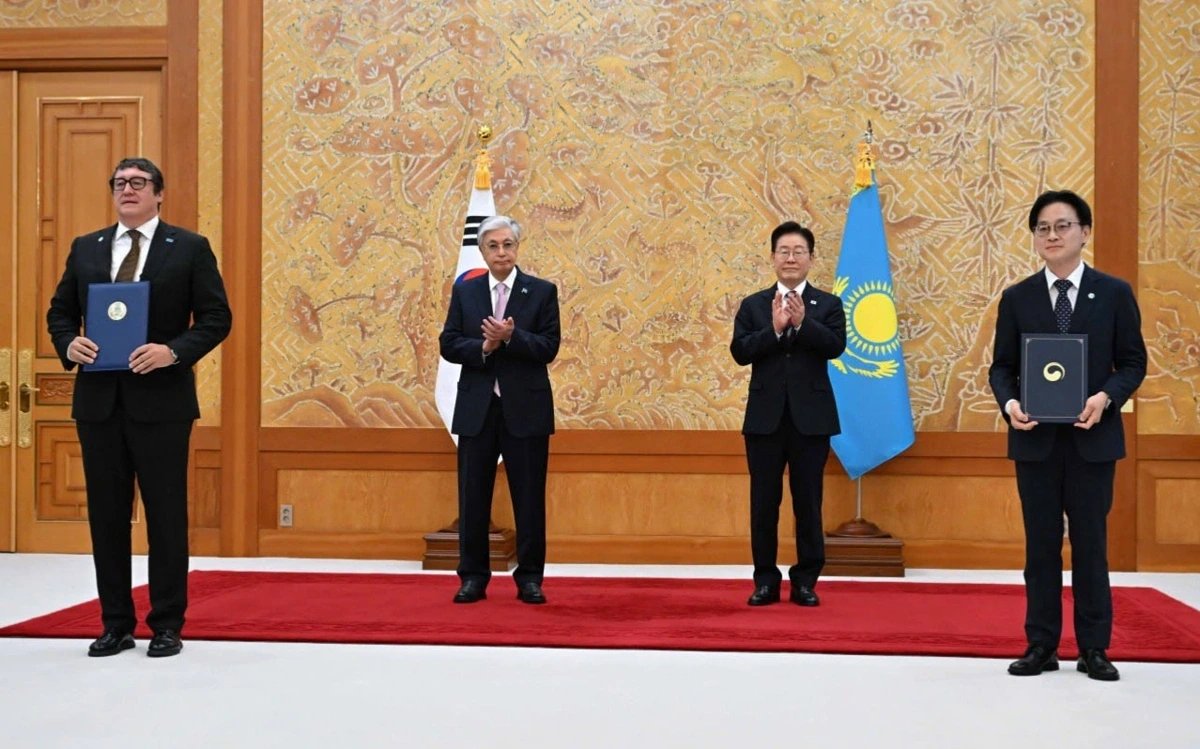
- Under signed memorandums, Kazakh specialists will be able to study Korean SMR technologies, their technical and economic characteristics, and potential applications in Kazakhstan.
- Cooperation between Kazakhstan and South Korea also includes equipment supplies for the nuclear industry, further development of Kazakh uranium exports to the Korean market, and expansion of industrial cooperation.
- The two countries plan to focus on regulatory coordination, exchange of experience and best practices in nuclear and radiation safety, and personnel training for the nuclear industry.
SMR Technology Assessment
Kazakhstan's atomic energy development strategy through 2050 includes analysis of small modular reactor (SMR) applicability and identification of priority areas for their possible deployment. South Korea is regarded as one of the international leaders in nuclear energy, with Korean companies and research organizations developing promising SMR projects of interest to Kazakhstan. Under signed memorandums, Kazakh specialists will be able to study Korean SMR technologies in detail, including their technical and economic characteristics and potential applications in the country.
Broader Nuclear Cooperation
Cooperation between Kazakhstan and South Korea in the nuclear sector extends beyond SMRs to include equipment supplies for the nuclear industry, further development of Kazakh uranium exports to the Korean market, and expansion of industrial cooperation. The two countries intend to focus on interaction between regulatory bodies, including coordination, exchange of experience and best practices in nuclear and radiation safety. Personnel training for the nuclear industry is another priority, with Kazakhstan interested in Korean experience in education, training of engineering and technical specialists, and development of competencies for the national nuclear program.
3 sources
Time · lag behind first