
Iran war cost $38 billion, depleted two-thirds of US missile interceptors, CBO says
This digest was compiled by AI from multiple sources — links to the originals are below.
The U.S. military has incurred about $38 billion in costs from combat operations against Iran through Aug. 1, according to a Congressional Budget Office analysis released today. The conflict has consumed between one-half and two-thirds of the U.S. inventory of certain missile-defense interceptors since June 2025, leaving the military with fewer weapons available for a future conflict. Rebuilding those stocks could take at least five years, even if production rates increase.
Key Facts
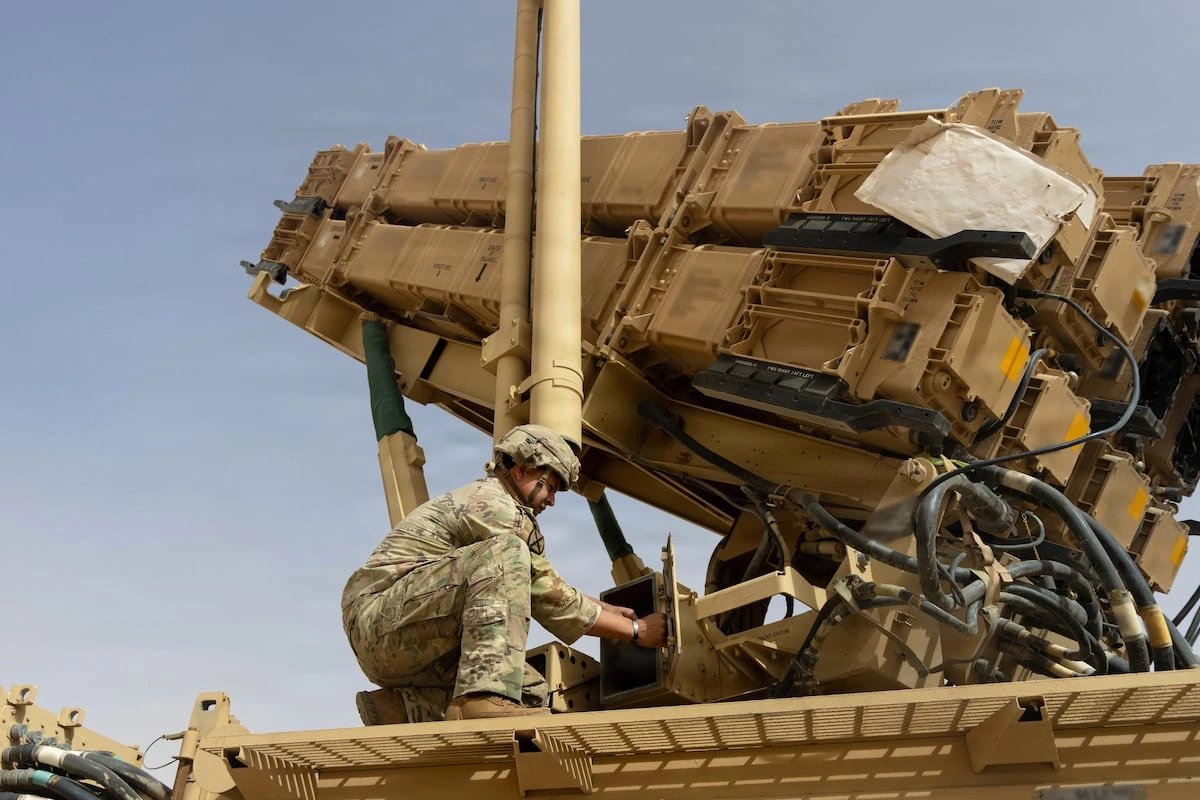
- The Congressional Budget Office estimates the conflict has consumed between one-half and two-thirds of the U.S. inventory of Patriot, THAAD, SM-3, and SM-6 interceptors since June 2025.
- Interceptors accounted for $13.1 billion of the $21.7 billion the Pentagon would need to replace in munitions expended through Aug. 1.
- A separate Defense Department inspector general report estimated the cost of the operation at $33.4 billion through June 29.
- CBO projects that if the conflict continues, each additional month will cost between $2 billion and $3 billion, depending on the level of violence.
- The highest costs beyond munitions were $10.4 billion for increased flying hours, $2.7 billion for fuel, and $1.9 billion to replace equipment lost in battle, including a THAAD radar destroyed by Iran.
Cost Breakdown
The $38 billion estimate includes expended munitions, equipment losses, increased flying hours, other operations, and higher fuel costs. It does not include costs borne by other federal agencies or military operating costs already included in the federal budget. Land-attack cruise missiles accounted for another $7.3 billion, with $1.2 billion for other munitions. The initial phase of Operation Epic Fury involved about 250 tactical aircraft, including roughly 90 from two carrier strike groups, as well as an amphibious ready group. Those forces were supported by bombers, airlifters, refueling tankers, other Navy vessels, and Army air-defense, aviation, and artillery units.
Interceptor Depletion
CBO estimates unit costs of roughly $4 million for a Patriot or SM-6, $12 million for a THAAD interceptor, and $28 million for a sophisticated SM-3. The agency said the United States has already used significant quantities of these weapons defending Israel and then expended more during Operation Epic Fury. CBO said the Pentagon does not disclose how many interceptors it has in its inventory, so analysts compared reported expenditures with the total number of missiles DoD has purchased to estimate usage. The interceptor depletion is particularly significant because the weapons are expensive and produced at relatively low rates. Rebuilding those stocks could take at least five years, even if production rates increase, the agency found.
Strategic Risks
CBO warns that depleted air-defense stocks will weaken the U.S. inventory for several years, creating serious security risks in potential crises with countries possessing large ballistic and cruise missile arsenals, such as China. The report also notes that shipping disruptions in the Strait of Hormuz and the Red Sea have driven up global prices for crude oil, gasoline, diesel, and jet fuel.