
Geologic hydrogen hunt draws $500 million as viability remains unproven
This digest was compiled by AI from multiple sources — links to the originals are below.
Energy companies in nearly 30 countries are drilling for underground hydrogen deposits that could replace fossil fuels. Venture capitalists have invested almost $500 million since 2023, but no one knows whether large enough reservoirs exist. Early results from wells in Kansas, Canada, Africa, and Australia are expected within months.
Key Facts
- Venture capitalists have invested nearly $500 million in geologic hydrogen exploration since 2023.
- A 2024 analysis suggests Earth's subsurface contains tens of trillions of tonnes of hydrogen.
- If even a small fraction is recoverable, geologic hydrogen could meet projected clean energy needs for 200 years at or below fossil fuel cost.
- H2Au, a UK-based hydrogen exploration company, started drilling in Kansas in August.
- Geophysicist David Waltham of Royal Holloway, University of London, says it is unknown whether hydrogen deposits are almost nothing or completely everywhere.
The Hydrogen Hunt
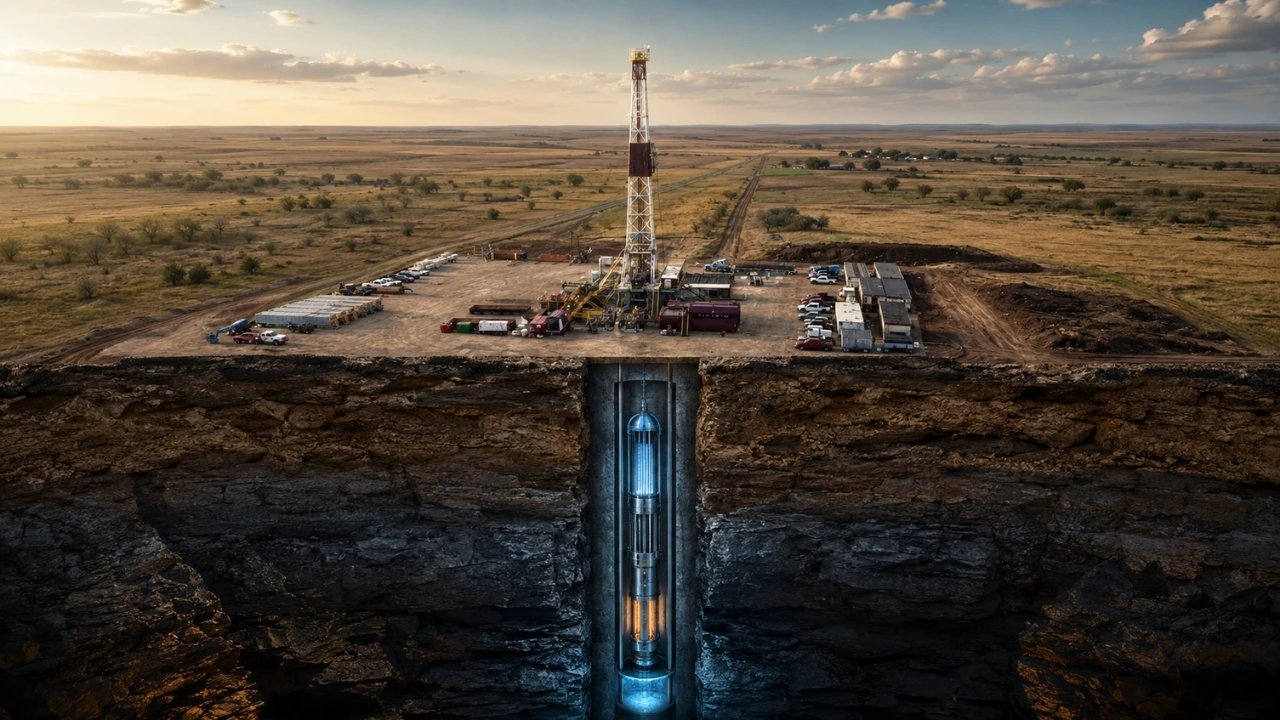
Energy prospectors in almost 30 countries are searching for hydrogen gas trapped in underground deposits. The gas forms when iron-rich igneous rock such as olivine reacts with water, or when alpha particles from radioactive decay split water molecules. Companies are drilling in geological formations from northern Canada to eastern Africa to South Australia. Findings from these wells could emerge within the next few months, providing key clues about the potential for geologic hydrogen.
Scientific Uncertainty
Geologists were caught by surprise by the excitement, as natural hydrogen was not even listed on Wikipedia five years ago. Researchers previously assumed hydrogen could not accumulate underground to form large deposits. Geochemist Chris Ballentine at the University of Oxford says he studied natural hydrogen systems as an energy source for microbes, not for society. David Waltham, a geophysicist at Royal Holloway, University of London, states that at the moment we still don't know if it's almost nothing or completely everywhere.
1 source
Time · lag behind first