
Iran drone threat forced ground medical evacuations in Operation Epic Fury, IG report finds
This digest was compiled by AI from multiple sources — links to the originals are below.
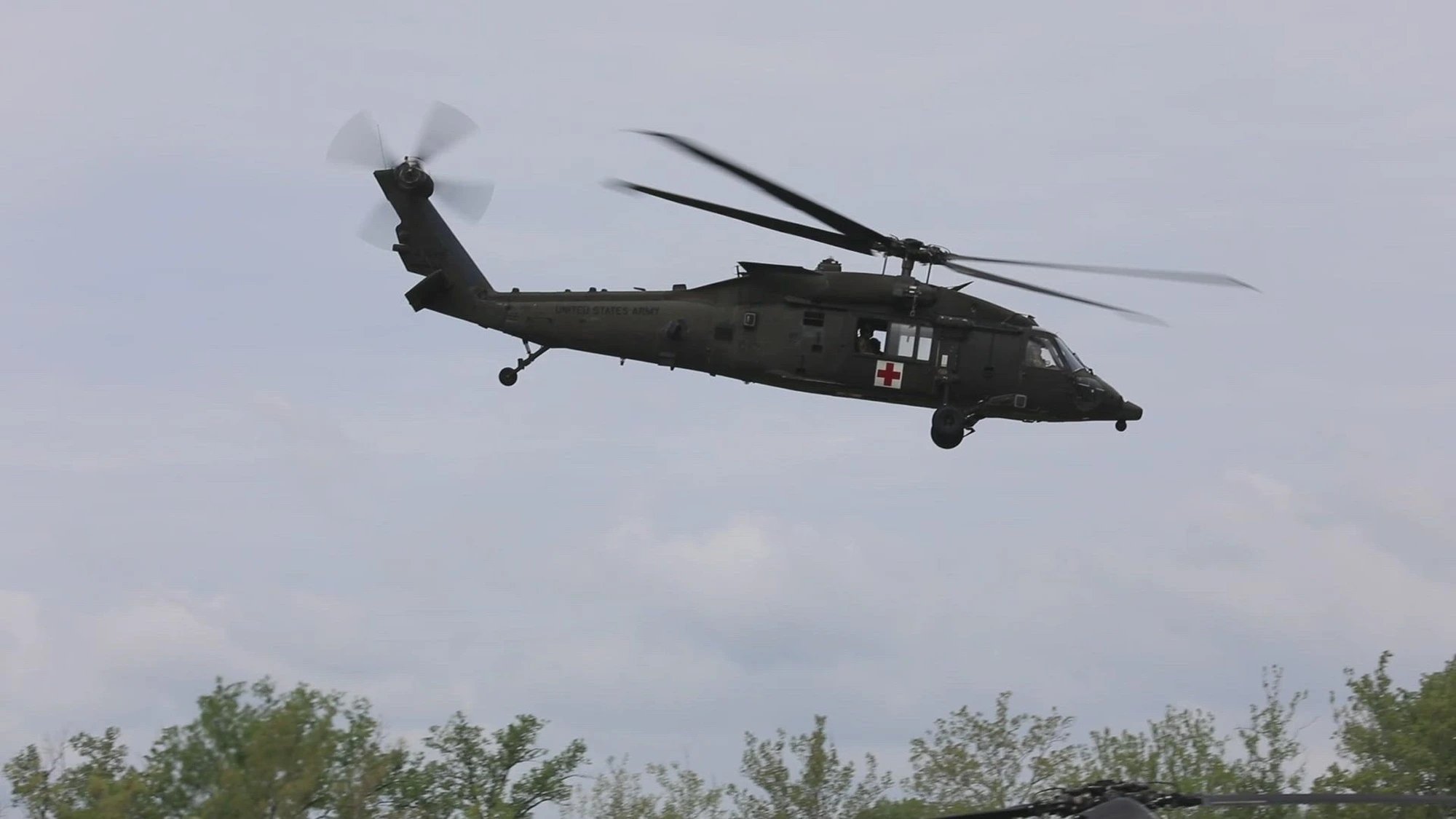
The U.S. military abandoned helicopter medical evacuations during Operation Epic Fury and relied on slower ground transport due to Iranian drone and missile threats, according to a Defense Department Inspector General report released Monday. The shift followed years of warnings from medical officials that future conflicts would be more dangerous for U.S. troops. The report also noted reliance on host country hospitals for advanced care because establishing U.S. hospital facilities would create a larger, more targetable footprint.
Key Facts
- The Inspector General report states that most medical evacuations during Operation Epic Fury were conducted by ground, not helicopter.
- U.S. Army helicopters initially deployed in Kuwait and Iraq for medical evacuation were moved due to concerns about Iranian drone and missile strikes.
- A 2022 Army University Press article by Lt. Col. Matthew Marsh and Capt. Ryan Hampton predicted intermittent air and ground evacuation with medical logistics constraints.
- A July 2025 Pulse of Army Medicine article by Sgt. Maj. Sandra Johnson described CENTCOM bases with only one medic and no medical provider, and no MEDEVAC capability.
- An April U.S. Naval Institute report explained that drone warfare in Ukraine has disrupted casualty movement throughout the combat casualty continuum of care.
Evacuation Shift
At the start of Operation Epic Fury, the U.S. used Army helicopters in Kuwait and Iraq for medical evacuation. Those helicopters were then moved due to concerns about Iranian drone and missile strikes. The Inspector General report states that most evacuations during the operation were ultimately conducted by ground. The shift illustrates a problem medical officials had warned about for years.
Medical Infrastructure Constraints
The United States relied on host country hospitals for advanced, hospital-level care for particularly severe injuries. Establishing such hospitals on U.S. bases would require a large and more targetable footprint. A July 2025 Pulse of Army Medicine article by Sgt. Maj. Sandra Johnson described CENTCOM bases with only one medic on post and no medical provider. Johnson noted the problem of no Medical Evacuation by flight or ground capability, or only ground Casualty Evacuation options, across CENTCOM.
Prior Warnings
A 2022 Army University Press article by Lt. Col. Matthew Marsh and Capt. Ryan Hampton forecast that medical personnel would experience intermittent air and ground evacuation with medical logistics constraints. An April U.S. Naval Institute report explained that drone warfare in Ukraine has disrupted casualty movement from the point of injury throughout the combat casualty continuum of care. The Inspector General report acknowledges that CENTCOM officials worked to rapidly develop new plans and strategies when faced with Iranian drone capabilities. During Operation Epic Fury, USCENTCOM shifted personnel, assets, and storage facilities as locations came under Iranian and proxy attacks.
1 source
Time · lag behind first