
Kazakhstan coal transit via Russia hits record 7.8 mln tonnes in Jan-July
This digest was compiled by AI from multiple sources — links to the originals are below.
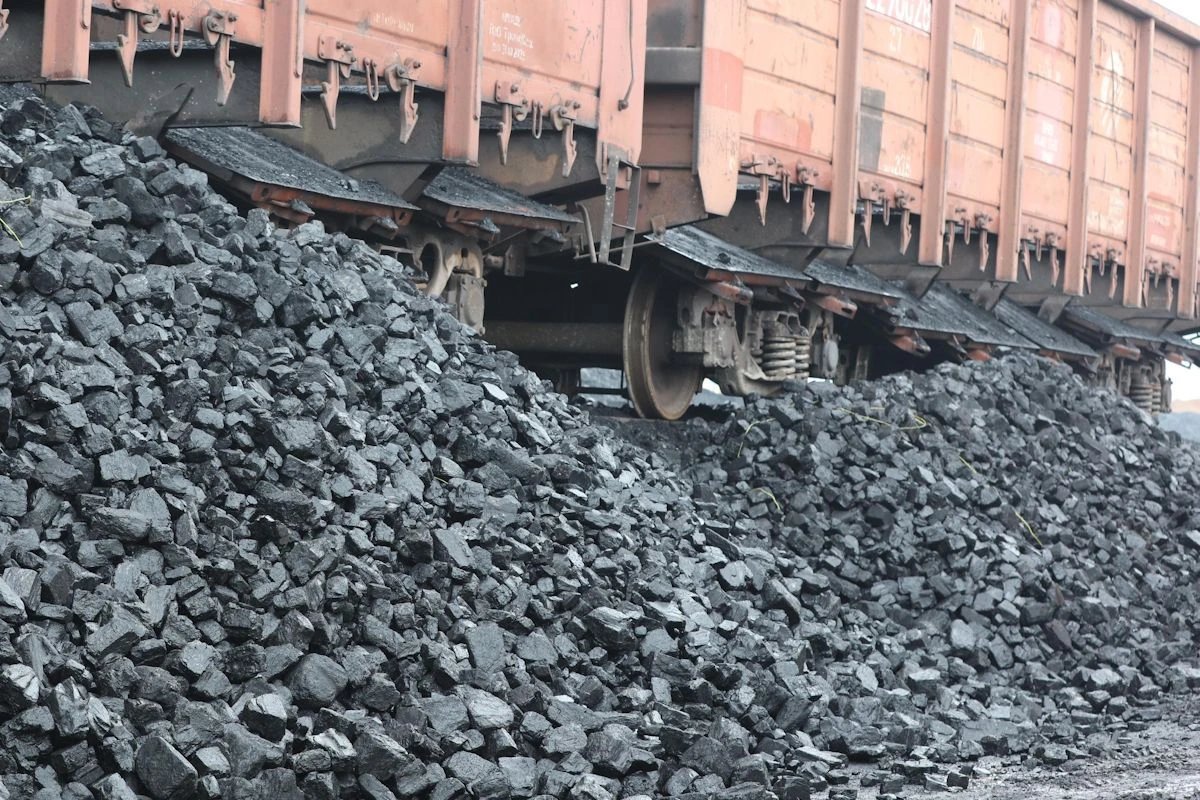
Kazakhstan's coal transit through Russian ports reached 7.8 million tonnes in January–July 2026, up 20% year-on-year and a record for the period. The growth follows an April 2025 agreement between Kazakhstan Temir Zholy and Russian Railways and an EU exemption allowing Kazakh coal transit via Russian ports. Main buyers were Poland, the Netherlands and Turkey.
Key Facts
- Kazakhstan's coal transit through Russian ports reached 7.8 million tonnes in January–July 2026, up 20% year-on-year.
- The volume is a record for the first seven months of the year, according to Argus data.
- Main destinations were the European Union, including Poland and the Netherlands, and Turkey.
- The growth follows an April 2025 agreement between Kazakhstan Temir Zholy and Russian Railways.
- The EU's 18th sanctions package includes an exemption allowing Kazakh coal transit through certain Russian ports.
Transit Volumes
Kazakhstan's coal transit through Russian ports reached 7.8 million tonnes in January–July 2026, up 20% year-on-year. The volume is a record for the first seven months of the year, according to Argus data. Azh.kz reports a slightly higher figure of 7.9 million tonnes, up 26% year-on-year, citing The Coal Hub. Russian coal transshipment through the same ports fell 1% to 35.4 million tonnes over the same period. Combined Russian and Kazakh coal volumes totalled 43.3 million tonnes, up 3%.
Drivers and Destinations
The growth follows an April 2025 agreement between Kazakhstan Temir Zholy and Russian Railways. The EU's 18th sanctions package includes an exemption allowing Kazakh coal transit through certain Russian ports. Main destinations were the European Union, including Poland and the Netherlands, and Turkey. Kazakh coal is also exported to China, Malaysia and Japan. Rising energy consumption in Turkey and gas market conditions in Europe boosted demand.
Risks to Further Growth
In August, shipments through Black Sea ports nearly halted after foreign shipowners refused to enter the Azov-Black Sea basin following drone attacks on merchant vessels. Further transit dynamics will depend on rail freight costs, infrastructure availability and European port conditions.
4 sources
Time · lag behind first