
Kazakhstan police detain 64 in 22 religious-extremist crime groups
This digest was compiled by AI from multiple sources — links to the originals are below.
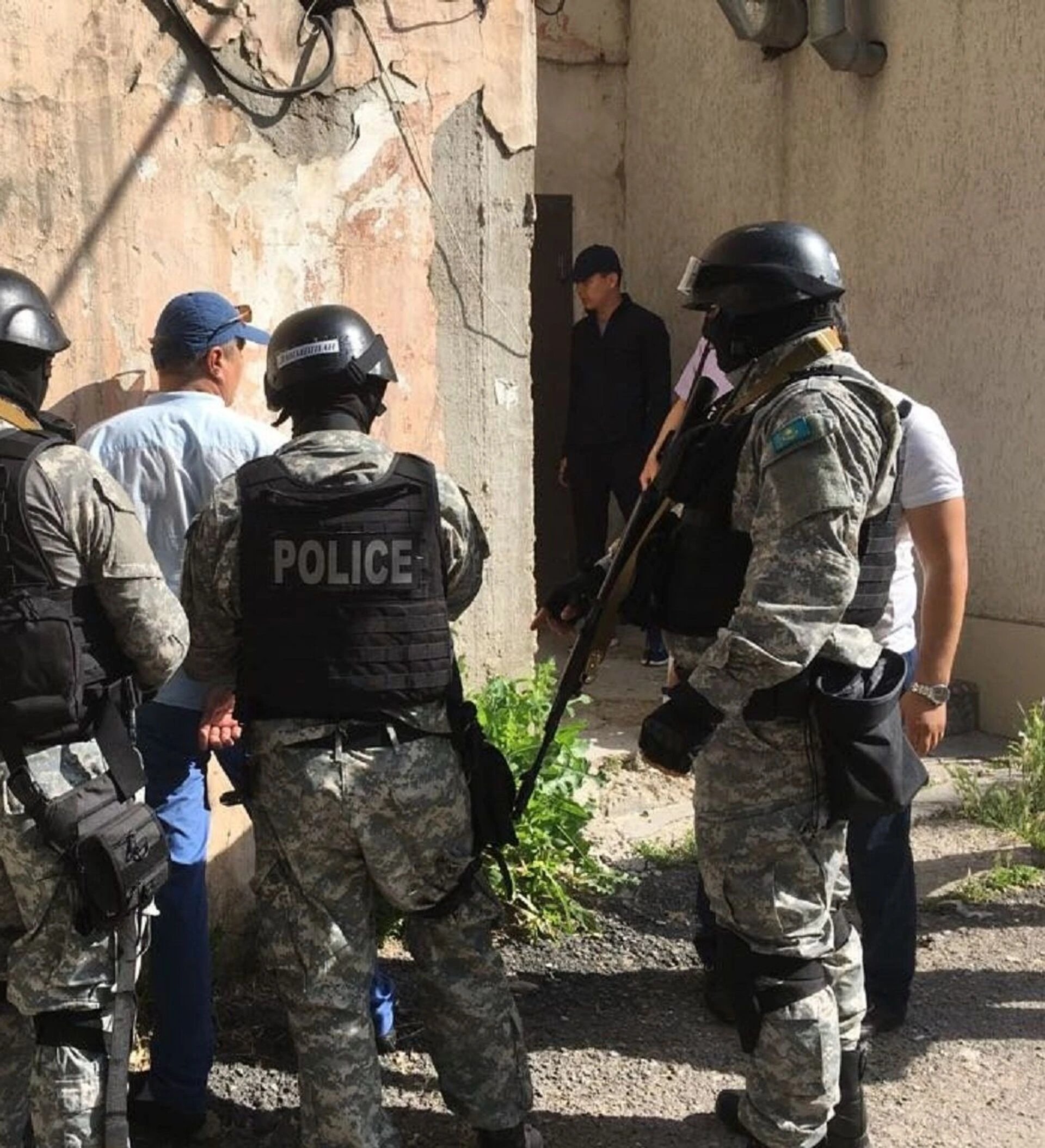
Kazakhstan's Interior Ministry said police have dismantled 22 criminal groups since the start of 2026 whose members used religious-extremist ideas as cover, detaining 64 people. The groups are linked to 155 solved crimes including extortion, robbery, fraud, poaching and drug trafficking. Police also seized 114 firearms, seven grenades, more than 1,600 rounds of ammunition and over 32 kilograms of narcotics.
Key Facts
- Police dismantled 22 criminal groups and detained 64 people across Kazakhstan since the start of 2026.
- The groups are linked to 155 solved crimes of a mercenary-violent nature committed by adherents of religious extremism.
- Police seized 114 firearms, three bladed weapons, seven grenades, more than 1,600 rounds of ammunition and over 32 kilograms of narcotics.
- In Almaty, four adherents of radical religious ideas kidnapped a resident and extorted 7.5 million tenge; they were sentenced to 5–6 years in prison.
- In Pavlodar, a local resident was sentenced to five years for 17 episodes of fraud causing damage of more than 8 million tenge.
Criminal Activity and Regional Reach
The groups operated in Almaty and in Aktobe, Atyrau, Zhambyl, Mangystau and West Kazakhstan regions. Their members committed extortion, robbery, fraud, poaching and drug trafficking, according to the Interior Ministry. Police solved 155 mercenary-violent crimes committed by adherents of religious-extremist ideology. In Petropavlovsk, a woman received three years in prison for four episodes of fraud with total damage exceeding 2 million tenge.
Weapons and Narcotics Seizures
Police seized 114 firearms, three bladed weapons, seven grenades, more than 1,600 rounds of ammunition and over 32 kilograms of narcotics. The Interior Ministry said the work targets not only mercenary-violent crimes but also the spread of radical ideology, including online.
Sentences and Online Radicalization
In Aktobe, a resident was sentenced to three years and six months for publicly inciting religious discord on social media and insulting representatives of other faiths. Another Aktobe resident received six years for propaganda of terrorism after planning violent actions. In Turkestan region, a supporter of radical religious ideology was sentenced to seven years for spreading materials of the Islamic Movement of Uzbekistan online. The Interior Ministry stressed that religious beliefs cannot justify crimes, violence or incitement of enmity.
18 sources
Time · lag behind first