
UN warns Israeli strikes on Gaza residential areas kill civilians
This digest was compiled by AI from multiple sources — links to the originals are below.
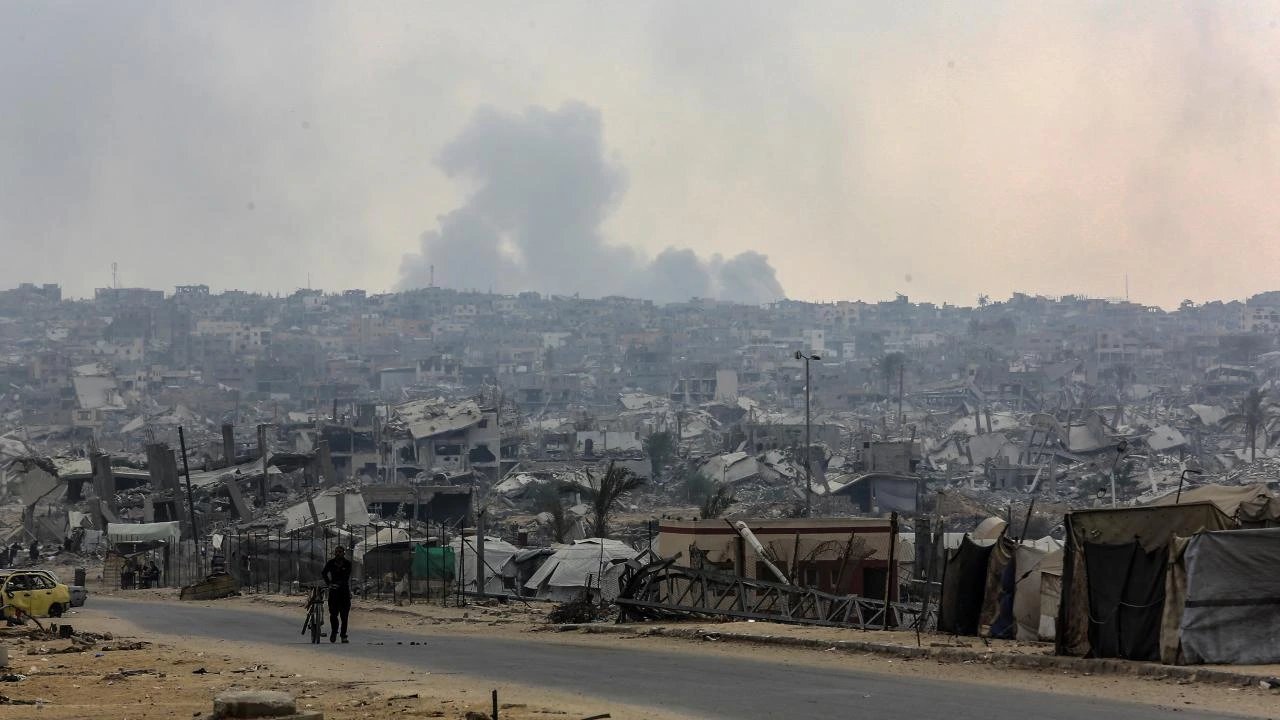
The UN Office for the Coordination of Humanitarian Affairs expressed deep concern over Israeli military strikes on residential areas in Gaza that killed and wounded civilians. UNICEF reported nine children killed and 13 wounded in Israeli attacks last week, including a pregnant mother and her unborn baby. The warning came as Israeli restrictions on fuel and spare parts left Gaza's central services extremely fragile.
Key Facts
- UNICEF reported that nine children were killed and 13 wounded in Israeli attacks on Gaza last week.
- Among the dead were a pregnant mother and her unborn baby, according to UN Deputy Spokesperson Farhan Haq.
- Since March, Israel has approved only about 13,000 litres of engine oil for entry into Gaza, while more than 92,000 litres await approval.
- Israeli attacks continued across Gaza over the weekend, including airstrikes, artillery fire, armed attacks, and fire from the sea.
Civilian Casualties
OCHA officials warned that Israeli attacks continue across the Gaza Strip, with military strikes targeting residential areas killing and wounding civilians. UN Deputy Spokesperson Farhan Haq said OCHA expressed deep concern over reports of civilian deaths and injuries in these attacks. According to UNICEF, nine children were killed and 13 wounded in Israeli attacks on Gaza last week. Haq added that among the dead were a pregnant mother and her unborn baby.
Humanitarian Access Restrictions
Haq said Israeli restrictions on humanitarian aid to Gaza continue, particularly on fuel, engine oil, and spare parts, leaving central services extremely fragile. Since March, only about 13,000 litres of engine oil have been approved for entry into Gaza, while more than 92,000 litres are still awaiting approval. Without engine oil and spare parts, access to safe water could deteriorate further, pumping systems could shut down, and sewage systems could fail, leading to renewed accumulation of uncollected waste. The UN and its partners are struggling to secure fuel supplies to operate critical facilities, with limited humanitarian funding compounding Israeli restrictions.
1 source
Time · lag behind first