
Deepfake porn sites target 138 female EU lawmakers, research finds
This digest was compiled by AI from multiple sources — links to the originals are below.
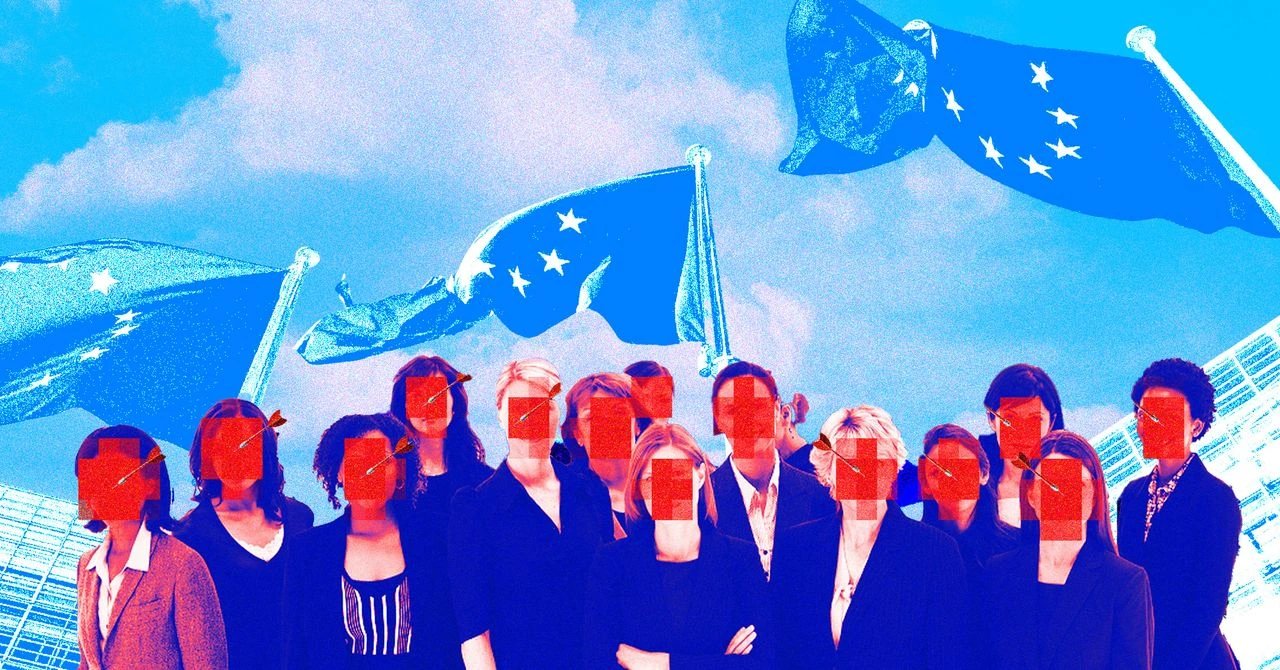
At least 138 female members of parliament from 22 EU countries have appeared on sexually explicit deepfake websites, according to research by Benjamin Shultz of Agora Digitale Transformation. Only nine male MPs were referenced, making women 33 times more likely to be targeted. The findings highlight a pattern of online intimidation against women in politics.
Key Facts
- At least 138 female MPs from 22 EU countries appeared on deepfake pornography websites, compared to only nine male MPs.
- Women MPs are 33 times more likely than male MPs to be targeted by deepfake ecosystems, according to researcher Benjamin Shultz.
- The research covered more than 5,800 national members of parliament across all 27 EU countries and was published by German think tank Agora Digitale Transformation.
- Politicians from Germany, the Netherlands, Italy, and France appeared on the websites most frequently.
- Dutch MP Suzanne Kröger, who was impacted, called the findings 'really deeply disturbing' and said they reveal the scale of abuse.
Scope of the Research
Researcher Benjamin Shultz analyzed around 160 domains hosting deepfake abuse and nonconsensual sexual content. He compiled details of more than 5,800 members of parliament from all 27 EU countries in July and used custom search engines to locate their appearances on the sites. The study, published by Agora Digitale Transformation, excludes members of the European Parliament. Shultz alerted all affected MPs individually and provided guidance on content removal.
Impact on Women Politicians
The research found that 138 female MPs from 22 EU countries were targeted, while only nine male MPs were referenced. Women MPs are 33 times more likely to be targeted by deepfake ecosystems, according to Shultz's calculations. Dutch MP Suzanne Kröger, a member of the Progressive Netherlands group, said the findings are 'really deeply disturbing' and reveal the scale of abuse. Shultz stated that the abuse 'discourages women from taking office in the first place and also crowds these women out of public life.'
Broader Implications
The websites also include depictions of celebrities, journalists, and other public figures, according to Shultz. Multiple researchers and lawmakers say the targeting can damage democratic practices and create chilling effects that may stop women and girls from becoming public figures. Shultz noted that the abuse causes 'real psychological damage' and reputational harm for politicians who later seek other careers.
1 source
Time · lag behind first