
Bangladesh measles epidemic kills over 1,000 despite 20m vaccine doses
This digest was compiled by AI from multiple sources — links to the originals are below.
A measles epidemic in Bangladesh has killed more than 1,000 people since March 15, according to official data. Health authorities recorded 1,009 deaths by September 9, even as an emergency campaign administered nearly 20 million vaccine doses. The outbreak follows years of declining immunization coverage, leaving millions of children susceptible.
Key Facts
- Bangladesh recorded 1,009 measles deaths between March 15 and September 9, including 100 laboratory-confirmed cases.
- The emergency vaccination campaign administered 19.75 million doses against a target of 18 million children.
- First-dose measles-rubella coverage declined from 88.6 percent in 2019 to 86 percent in 2023, according to the 2023 Coverage Evaluation Survey.
- Second-dose coverage fell from 89 percent to 80.7 percent over the same period.
- Bangladesh had not conducted a nationwide supplementary measles-rubella campaign since December 2020–January 2021.
Epidemic Toll
By September 9, health authorities had recorded 1,009 deaths, with 100 among laboratory-confirmed measles patients and 909 classified as suspected measles deaths. Last year, Bangladesh recorded 132 measles cases in total, with zero deaths. One-year-old Saif Hasan died within minutes of being taken into intensive care at Dhaka’s Infectious Diseases Hospital on August 27. The child from Shariatpur district had developed a fever and rashes days after receiving his first measles-rubella vaccine.
Vaccination Campaign Shortfalls
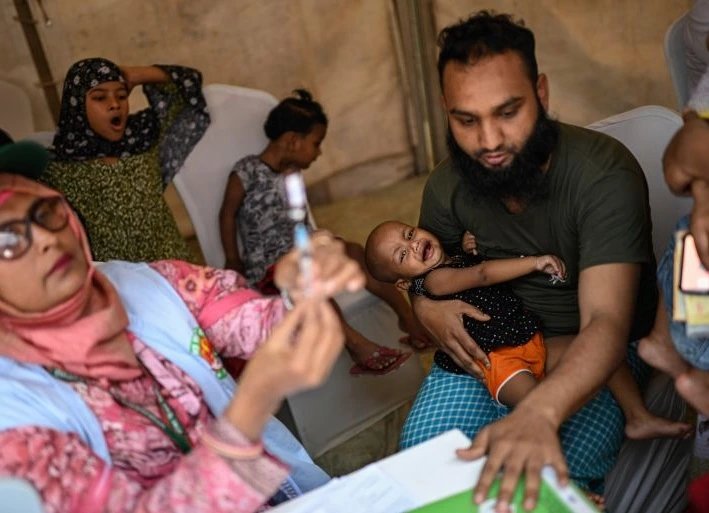
The emergency campaign administered 19.75 million vaccine doses against a target of 18 million children since April. Public health experts say the original estimate of children needing vaccines was too low, and national coverage figures can obscure pockets where large numbers of susceptible children remain. Routine immunisation was disrupted during the COVID-19 pandemic, and UNICEF has cited misinformation and vaccine hesitancy among factors contributing to children missing vaccinations. Coverage remained below the approximately 95 percent level needed to interrupt measles transmission, allowing the number of susceptible children to grow over successive years.
1 source
Time · lag behind first