
Kazakhstan pivots to yuan borrowing as China ties deepen
This digest was compiled by AI from multiple sources — links to the originals are below.
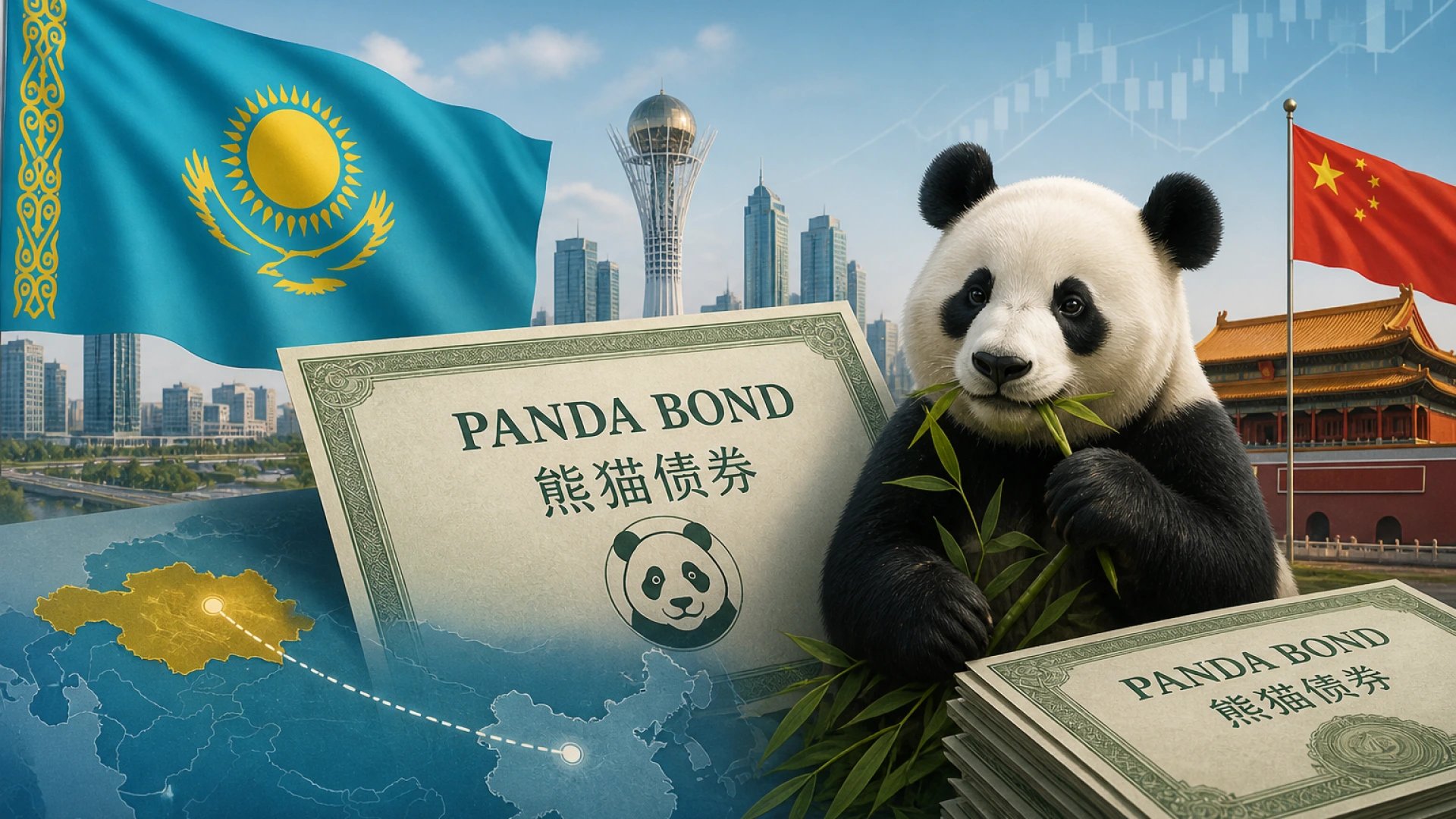
Kazakhstan's Finance Ministry issued 6.6 billion yuan in panda bonds in September, following a 3.4 billion yuan debut in May. Total yuan-denominated government borrowing reached about 23.5 billion yuan, or $3.5 billion, in under a year. The shift reflects cheaper funding costs and deepening trade ties with China.
Key Facts
- Kazakhstan's Finance Ministry issued 6.6 billion yuan in panda bonds in September 2026, following a 3.4 billion yuan issue in May.
- The September bonds carry coupons of 1.82–1.95% for 3- and 5-year maturities, below the 1.90% on the May three-year tranche.
- Total yuan-denominated government borrowing reached about 23.5 billion yuan, or $3.5 billion, in under a year.
- China accounted for 19.2% of Kazakhstan's exports and 29.2% of its imports in 2025.
- Kazakhstan and China agreed to link their payment systems through a single gateway for Kazakh banks.
Yuan Borrowing Surge
Kazakhstan's Finance Ministry issued 6.6 billion yuan in panda bonds in September 2026, four months after a 3.4 billion yuan debut in May. The September issue priced at 1.82–1.95% for 3- and 5-year maturities, below the 1.90% coupon on the May three-year tranche. Total yuan-denominated government borrowing reached about 23.5 billion yuan, or $3.5 billion, in under a year. The Finance Ministry team was singled out for the record size and pricing of the issues.
Trade and Payment Infrastructure
China accounted for 19.2% of Kazakhstan's exports and 29.2% of its imports in 2025. Kazakhstan and China agreed to link their payment systems through a single gateway for Kazakh banks. The payment link is expected to simplify and cheapen cross-border yuan settlements and support the Astana International Exchange as a bridge for Chinese capital.
1 source
Time · lag behind first