
Niger mutiny exposes Tiani's reliance on Russian Africa Corps support
This digest was compiled by AI from multiple sources — links to the originals are below.
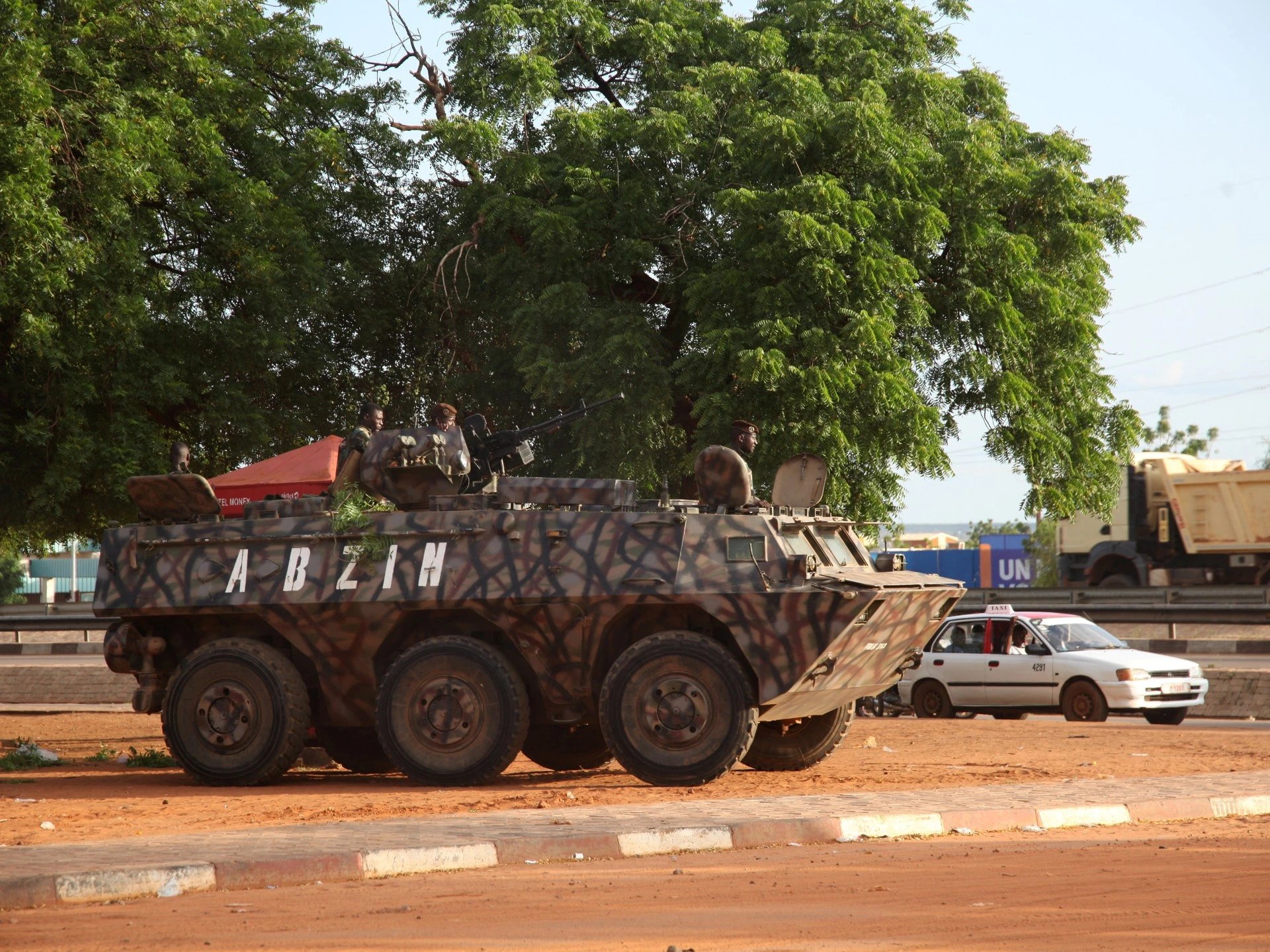
The failed August 29 mutiny in Niger showed President Abdourahamane Tiani's reliance on Russian Africa Corps support when his own security forces turned against him. Loyalist presidential guard units held the palace overnight while about 200 Russian soldiers helped retake Air Base 101 by evening. At least 27 people were killed and about 100 mutineers were arrested.
Key Facts
- On August 29, soldiers calling themselves the Armed Forces for the Restoration of the Homeland attacked Air Base 101 at Niamey's international airport, the presidential palace and the national broadcaster.
- About 200 Russian Africa Corps soldiers, backed by drones and reportedly reinforced from Mali and Libya, helped retake the airbase by evening.
- At least 27 people were killed and about 100 mutineers were arrested.
- Ryan Cummings, head analyst at Signal Risk, said the mutiny stemmed from grievances including significant casualties inflicted by well-equipped non-state armed actors and discrepancies in deployment and remuneration between junior and senior officers.
- Tiani expelled French and American troops in 2023 and 2024, and Russian Africa Corps troops entered Niger as the military government sought to replace Western support.
The Mutiny
On August 29, soldiers calling themselves the Armed Forces for the Restoration of the Homeland attacked Air Base 101 at Niamey's international airport, the presidential palace and the national broadcaster in a coordinated assault. A statement circulated during the fighting falsely declared that Tchiani had been removed. Loyalist presidential guard units held the palace overnight, while about 200 Russian Africa Corps soldiers, backed by drones and reportedly reinforced from Mali and Libya, helped retake the airbase by evening. At least 27 people were killed, and about 100 mutineers were arrested.
Military Fractures
Ryan Cummings, head analyst at Signal Risk, said the attempted mutiny was rooted in grievances that had been building inside the military. Cummings pointed to a widening gap between soldiers fighting on the front lines and those protecting the country's political leadership. Junior to middle-ranking soldiers are generally deployed to conflict front lines, where they face well-equipped and increasingly professional militant units, while more senior military units, most notably the presidential guard, are deployed to garrisoned cities such as Niamey and Agadez. Despite facing a lower risk profile, senior military units generally enjoy significantly higher remuneration than their low- to middle-rank counterparts.
Russia's Expanding Role
Tiani expelled French and American troops in 2023 and 2024, and troops from Russia's Africa Corps entered Niger as the military government sought to replace Western support. The mutiny showed that Moscow's role now goes beyond helping Niger fight armed groups.
1 source
Time · lag behind first