
Microsoft plans to triple data center capacity to 38 GW by 2032
This digest was compiled by AI from multiple sources — links to the originals are below.
Microsoft plans to triple its data center capacity from about 12 GW to 38 GW by 2032, according to Bloomberg. The expansion includes both owned and leased facilities, with AI-focused data centers among the new builds. Capital expenditures have already risen from $55.7 billion in 2024 to a projected $175 billion in 2027.
Key Facts
- Microsoft aims to reach 38 GW of data center capacity by 2032, up from about 12 GW currently.
- In fiscal 2026, Microsoft launched 88 data centers, including 31 in the last quarter alone.
- Capital expenditures rose from $55.7 billion in 2024 to $145.3 billion in 2026, with about $175 billion expected in 2027.
- Two Fairwater data centers, designed for AI workloads, can house hundreds of thousands of GPUs.
Capacity Expansion Plan
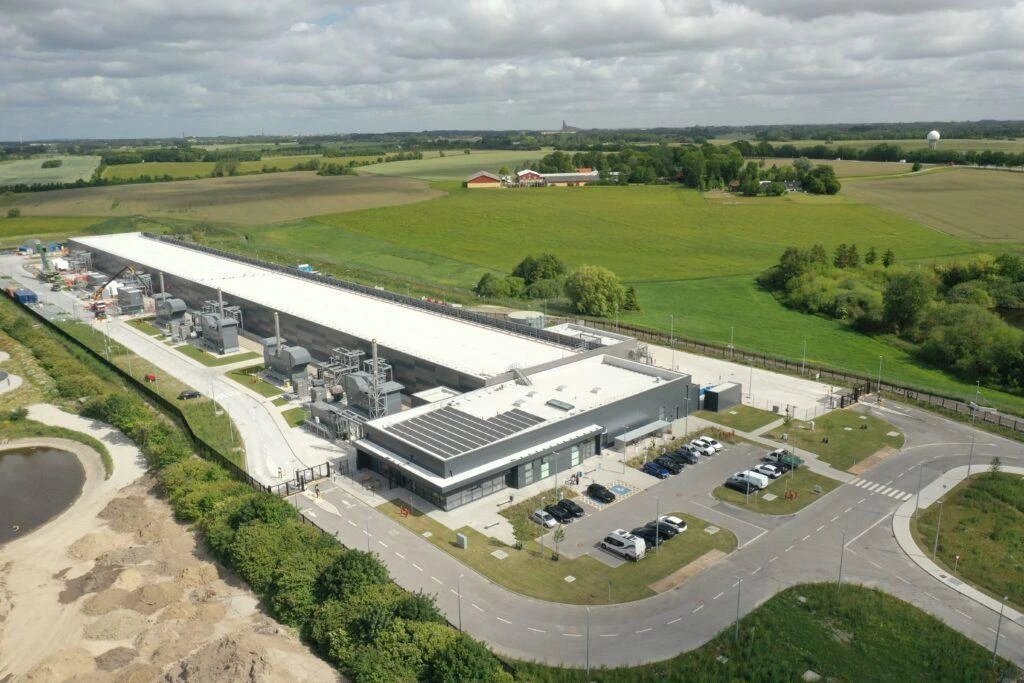
Microsoft plans to increase its total data center capacity from approximately 12 GW to 38 GW by 2032, according to Bloomberg. The figure includes both Microsoft-owned sites and leased capacity from third-party operators, including facilities dedicated to AI workloads. Microsoft has recently been adding about 1 GW of new capacity per quarter, and in fiscal 2026 it launched 88 data centers, 31 of them in the final quarter. To reach 38 GW, the company needs only a modest increase in its average pace to slightly more than 1 GW per quarter.
AI Infrastructure and Spending
Among the already launched facilities are two Fairwater data centers specifically designed for artificial intelligence tasks and capable of housing hundreds of thousands of graphics processors. Capital expenditures have climbed from $55.7 billion in 2024 to $115.9 billion and $145.3 billion in subsequent years, with about $175 billion expected in 2027. Microsoft declined to comment to Bloomberg on its data center capacity plans.
Regulatory and Local Resistance
The large-scale construction is facing growing resistance in the United States. Authorities in some states are requiring operators to pay for upgrades to power grids and water supply systems themselves. Some regions have already paused approvals for new data centers.
1 source
Time · lag behind first