
Israel's south Lebanon offensive leaves 330,000 displaced, return uncertain
This digest was compiled by AI from multiple sources — links to the originals are below.
More than six months after Israel intensified its war on Lebanon, about 330,000 people remain displaced, down from a peak of 1.2 million in April, according to the International Organization for Migration. The drop does not signal a durable return, as UNHCR warns displacement patterns remain fluid and reversible. Israel's offensive has killed more than 4,380 people and left over 50 villages under occupation.
Key Facts
- The number of displaced people in Lebanon stands at about 330,000, down from a peak of more than 1.2 million in April, according to the International Organization for Migration.
- Israel's offensive has killed more than 4,380 people and driven hundreds of thousands from their homes, predominantly in southern Lebanon.
- Israel currently occupies more than 50 villages in southern Lebanon after reinvading the area for the second time in less than two years.
- Hezbollah responded to Israeli attacks on March 2, 2026, citing more than 10,000 violations of the 2024 ceasefire and the assassination of Iranian Supreme Leader Ayatollah Ali Khamenei.
- A June framework agreement called for Israeli withdrawal from pilot zones and Lebanese army entry to disarm Hezbollah, but Israeli attacks on southern Lebanon continue.
Displacement Crisis
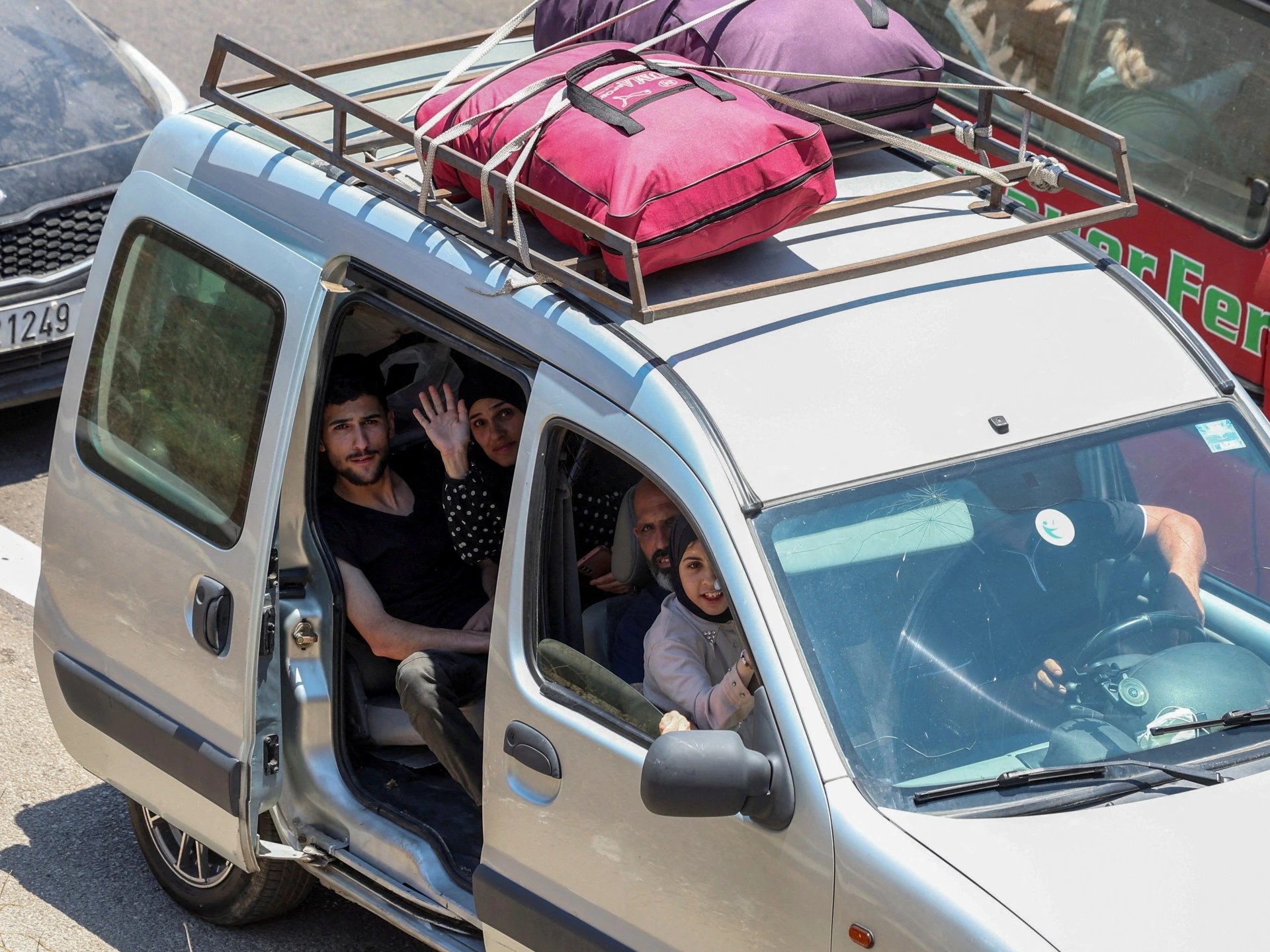
At its highest point in April, more than 1.2 million people were displaced by Israeli attacks on Lebanon. Today, the figure stands at about 330,000, according to estimates by the International Organization for Migration (IOM). Nadine Mazloum of the United Nations Refugee Agency (UNHCR) said displacement patterns remain highly fluid and often reversible due to the possibility of renewed attacks. She added that while the overall number of displaced people has fallen substantially, that should not be mistaken for a resolution of the crisis.
Military Offensive
Israel and Hezbollah have been fighting since October 2023, with varying levels of intensity. On March 2, 2026, Hezbollah responded to continued Israeli attacks for the first time in more than a year, citing more than 10,000 violations of a 2024 ceasefire and the assassination of Iranian Supreme Leader Ayatollah Ali Khamenei. Israel then intensified its air attacks on Lebanon and reinvaded southern Lebanon for the second time in less than two years. The offensive has killed more than 4,380 people and currently occupies more than 50 villages.
Return and Reconstruction
A series of ceasefire announcements and a June framework agreement, which came after direct US-sponsored talks between Israel and Lebanon, has not stopped Israeli attacks on southern Lebanon. However, bombardment on the rest of the country has eased, with more than 810,000 people either returning home or to places nearby, often to damaged houses with destroyed infrastructure. Soujoud Ramadan, a woman from Froun, a town on the so-called Yellow Line, has returned to her village but is staying at the local school, which operates as a shelter for the displaced. Froun was included in June's framework deal under which Israeli forces were supposed to withdraw from pilot zones and the Lebanese army was intended to enter and disarm Hezbollah.
1 source
Time · lag behind first