
Spain says 13,000 migrants remain in Ceuta after July border crossings
This digest was compiled by AI from multiple sources — links to the originals are below.
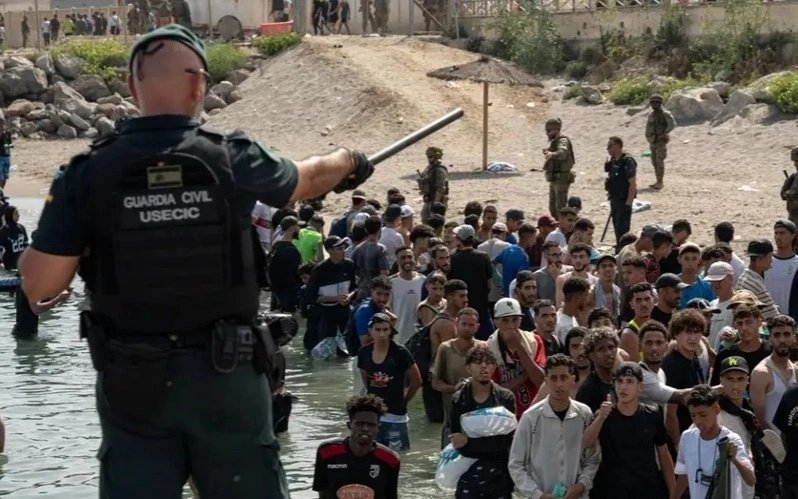
About 13,000 migrants remain in the Spanish enclave of Ceuta after crossing the border illegally in late July, Spanish authorities said. Around 2,100 of them are minors, including about 700 girls. Spain is preparing to accelerate transfers of minors to the mainland and repatriations to Morocco.
Key Facts
- About 13,000 migrants remain in Ceuta after crossing the border illegally on July 30–31, according to the Ceuta government.
- Around 2,100 of the migrants are minors, including about 700 girls, Spain's Minister for Youth and Childhood Sira Rego said.
- Spanish authorities have prepared about 3,400 places to house migrants and plan to increase capacity to 6,000.
- Police in Ceuta arrested eight people the day before, with clashes and detentions occurring almost daily, Euronews reported.
- Spain has opened a criminal investigation into the mass border crossing, examining possible crimes against territorial integrity and negligent homicide.
Migrant Numbers
The government of Ceuta says about 13,000 adults and minors remain in the city after illegally crossing the border on July 30–31. Approximately 11,000 of them are adults, while around 2,100 are minors. Spain's Minister for Youth and Childhood, Sira Rego, said about 700 of the registered minors are girls. Authorities note that some children still need to be identified and entered into the registration system.
Government Response
Minister Rego called for accelerating the transfer of minors to mainland Spain to reduce pressure on the autonomous city. Authorities have begun preparing documents for children who expressed a desire to return to their families in Morocco. Such cases will be processed on an expedited basis, but first the existence of a family willing to accept the child must be confirmed. Spanish authorities are also discussing opening additional sites for initial screening and verification of migrants. This is intended to speed up repatriation of those who do not qualify for international protection or have no legal grounds to remain in Spain.
Local Conditions
For a city of about 84,000 people, the arrival of this number of migrants means an increase of more than 15% in the actual population of Ceuta. Authorities have already prepared about 3,400 places to house migrants and plan to increase the number to 6,000. The situation in Ceuta remains tense, with clashes and detentions occurring almost daily, according to Euronews. Police arrested eight people the day before. Spain has also begun reinforcing the Tarajal breakwater in Ceuta after the mass influx of migrants.
1 source
Time · lag behind first