
Blood protein patterns in children may signal future heart and kidney disease risk
This digest was compiled by AI from multiple sources — links to the originals are below.
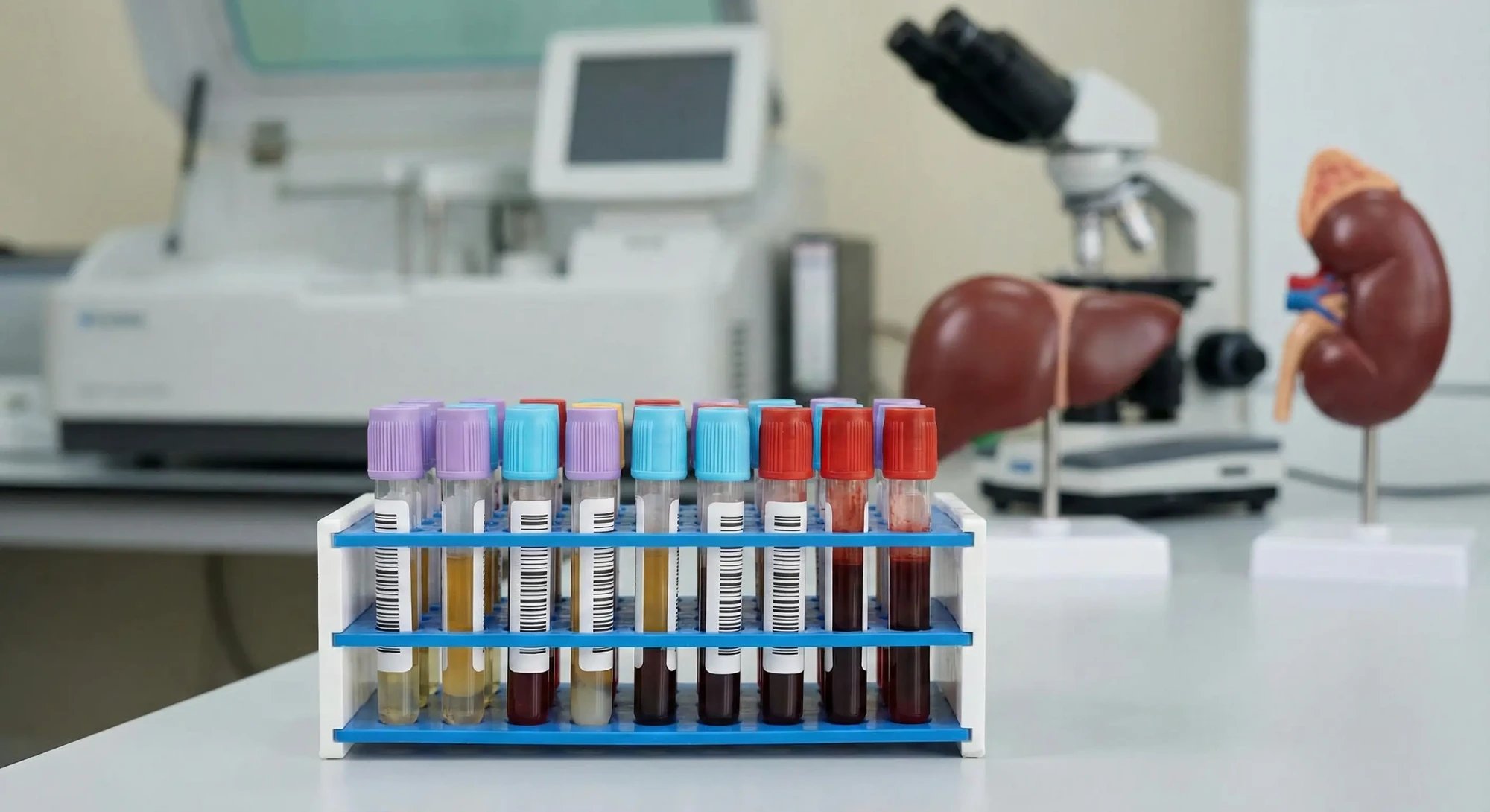
Researchers at the University of Texas Health Science Center in Houston identified six blood protein patterns in 273 children that may indicate elevated risk of cardiovascular, kidney, and metabolic diseases. The patterns were also found in 685 adults from the same population with high disease risk. The findings were published in Nature Metabolism.
Key Facts
- Researchers analyzed about 5,000 proteins in blood samples from 273 children.
- Six distinct protein profiles were identified in children and linked to disease risk in 685 adults from the same population.
- The findings were validated using data from over 28,000 participants in the UK Biobank.
- In adults taking GLP-1 medications, most proteins associated with elevated disease risk shifted in a favorable direction.
- The study was published in the journal Nature Metabolism.
Study Design
Scientists from the University of Texas Health Science Center in Houston examined approximately 5,000 proteins in blood samples from 273 children. They identified six characteristic protein profiles associated with elevated risk of cardiovascular, kidney, and metabolic diseases. Similar molecular changes were found in 685 adults from the same population who had high risk of these conditions. The results were published in the scientific journal Nature Metabolism.
Validation and Reversibility
The findings were validated using data from more than 28,000 participants in the UK Biobank. Adults with similar protein profiles had a higher risk of myocardial infarction and other adverse health outcomes. Some of the molecular changes appear to be potentially reversible. In adults taking GLP-1 medications, most proteins linked to elevated disease risk changed in a favorable direction.
Clinical Implications
The authors suggest that detecting such molecular changes in childhood could help identify individuals at elevated risk of chronic diseases long before symptoms appear. Such blood protein analyses are not currently part of standard pediatric screening.
1 source
Time · lag behind first