
China's ambassador to Russia urges SCO states to share intelligence
This digest was compiled by AI from multiple sources — links to the originals are below.
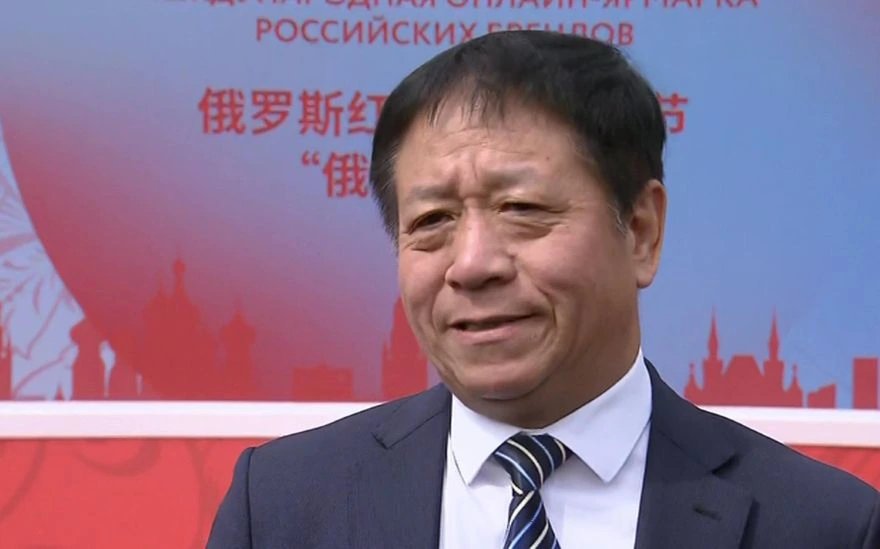
China's ambassador to Russia Zhang Hanhui called on Shanghai Cooperation Organisation member states to increase intelligence sharing and security cooperation. He urged the swift activation of four SCO security centres and regular joint exercises. The appeal came amid rising non-traditional security threats in the region.
Key Facts
- Zhang Hanhui, China's ambassador to Russia, called for increased intelligence sharing among Shanghai Cooperation Organisation member states.
- He urged the swift activation of four SCO security centres: the Universal Centre for Countering Security Challenges and Threats, the Centre for Countering Transnational Organised Crime, the Information Security Centre, and the Anti-Drug Centre.
- Zhang called for regular joint exercises and training, as well as strengthened law-enforcement and security cooperation mechanisms.
- He identified cyber threats, food and energy security threats, and environmental challenges as non-traditional security threats requiring a collective response.
Security Cooperation Appeal
Zhang Hanhui, China's ambassador to Russia, urged Shanghai Cooperation Organisation member states to increase intelligence sharing and strengthen security cooperation. He called for the swift activation of four SCO security centres, including the Universal Centre for Countering Security Challenges and Threats and the Centre for Countering Transnational Organised Crime. The ambassador also proposed regular joint exercises and training, as well as enhanced law-enforcement and security cooperation mechanisms.
Non-Traditional Threats
Zhang emphasised the need to adhere to a concept of common, comprehensive, cooperative, and sustainable security. He listed cyber threats, food and energy security threats, and environmental challenges as non-traditional security threats facing the region. The ambassador said the SCO should jointly resist these threats and build a reliable barrier against regional security risks.
1 source
Time · lag behind first