
Pricing algorithms can silently end competition, study finds
This digest was compiled by AI from multiple sources — links to the originals are below.
Automated pricing software can produce cartel-like outcomes without any agreement between firms, according to a 2024 study in the Journal of Political Economy. In German gas station markets where two competitors both adopted pricing algorithms, margins rose by about 38%. The FTC alleges Amazon's Project Nessie generated over $1 billion in excess profit by anticipating rival price matching.
Key Facts
- A 2024 Journal of Political Economy study found that when two competing German gas stations both adopted automated pricing software, margins rose by about 38%.
- The FTC alleges Amazon's Project Nessie generated more than $1 billion in excess profit by raising prices where competitors were likely to follow.
- Amazon disputes the FTC's characterization and says Project Nessie was discontinued years ago.
- The margin increase appeared only when two algorithms set prices against each other; market-level margins did not move when only one station adopted the software.
Algorithmic Tacit Collusion
Independently deployed pricing algorithms, each pursuing its own profit, can learn over repeated encounters to stop undercutting one another. The 2017 German gas station data showed margins rose about 38% when two competitors both used automated pricing software. No meeting, message, or agreement between the stations was required for the margin increase to occur. The pattern is consistent with each algorithm learning on its own that it earned more by backing off from price competition.
Amazon Project Nessie
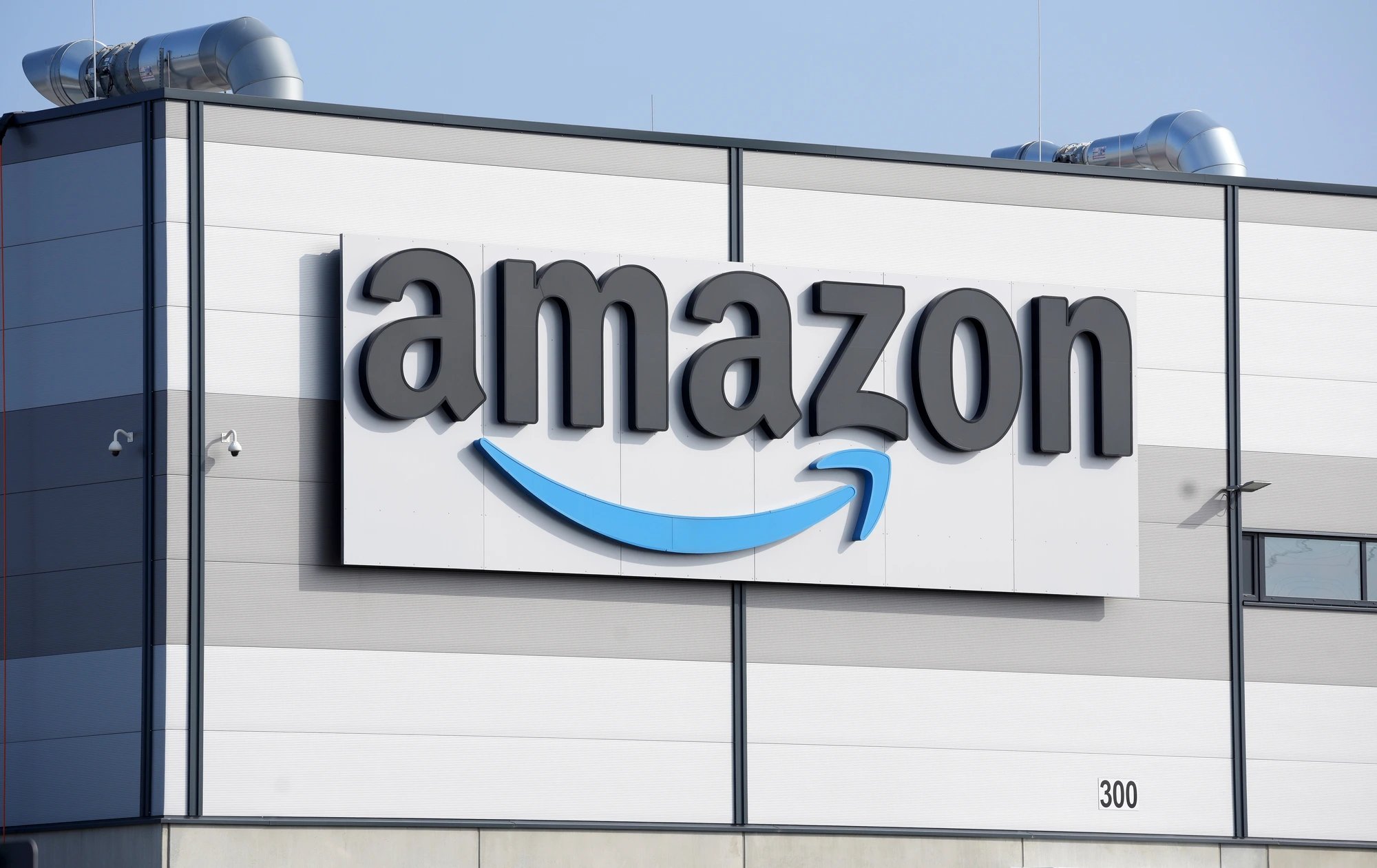
The FTC's antitrust suit against Amazon describes a pricing tool internally named Project Nessie. The system identified products where competitors were likely to follow an Amazon price increase, raised the price, and held it once rivals matched. The agency alleges the tool generated more than $1 billion in excess profit and that Amazon paused it during periods of heightened scrutiny, then switched it back on. Amazon disputes this and says the tool was discontinued years ago.
Implications for Business Leaders
Executives usually judge competition by the pressure they feel, and a market where prices hold and margins stay comfortable reads as one they have won. Automated pricing breaks that instinct: when autonomous agents set prices, the same calm picture can mean competition has quietly stopped. An algorithm that sets an obviously wrong price is easy to catch, but the harder case is one that optimizes margin and reaches an outcome the company would struggle to justify in public.
1 source
Time · lag behind first