
AI Data Centers Drive Shift to Captive Insurance, Marsh Says
This digest was compiled by AI from multiple sources — links to the originals are below.
AI data centers are increasingly turning to captive insurance to cover risks traditional insurers cannot handle, according to Marsh executive Michael Serricchio. The shift is driven by the massive scale of data centers and their exposure to weather risks. Captive insurance allows companies to reinvest premiums rather than pay third-party insurers.
Key Facts
- Marsh's Michael Serricchio expects explosive growth in captives for AI data center portfolio risks.
- More than 6,000 captives globally write about $240 billion in premiums, up nearly a fifth from two years ago.
- AM Best says roughly 150 US captives it rates generated over $8 billion in savings in five years.
- Oil and gas firms pioneered captives five decades ago to cover environmental catastrophes like oil spills.
Captive Insurance Growth
Captives, where firms set up their own in-house insurer instead of using traditional carriers, are becoming a preferred model for AI infrastructure coverage. Michael Serricchio, US and Canada captive solutions leader at Marsh, said the use of captives for data center portfolio risks will see explosive growth. He noted that risks from build-outs, construction, surety, property, and liability will inadvertently end up in captives. Serricchio declined to name individual companies due to the sensitivity of such deals.
Market Scale and Drivers
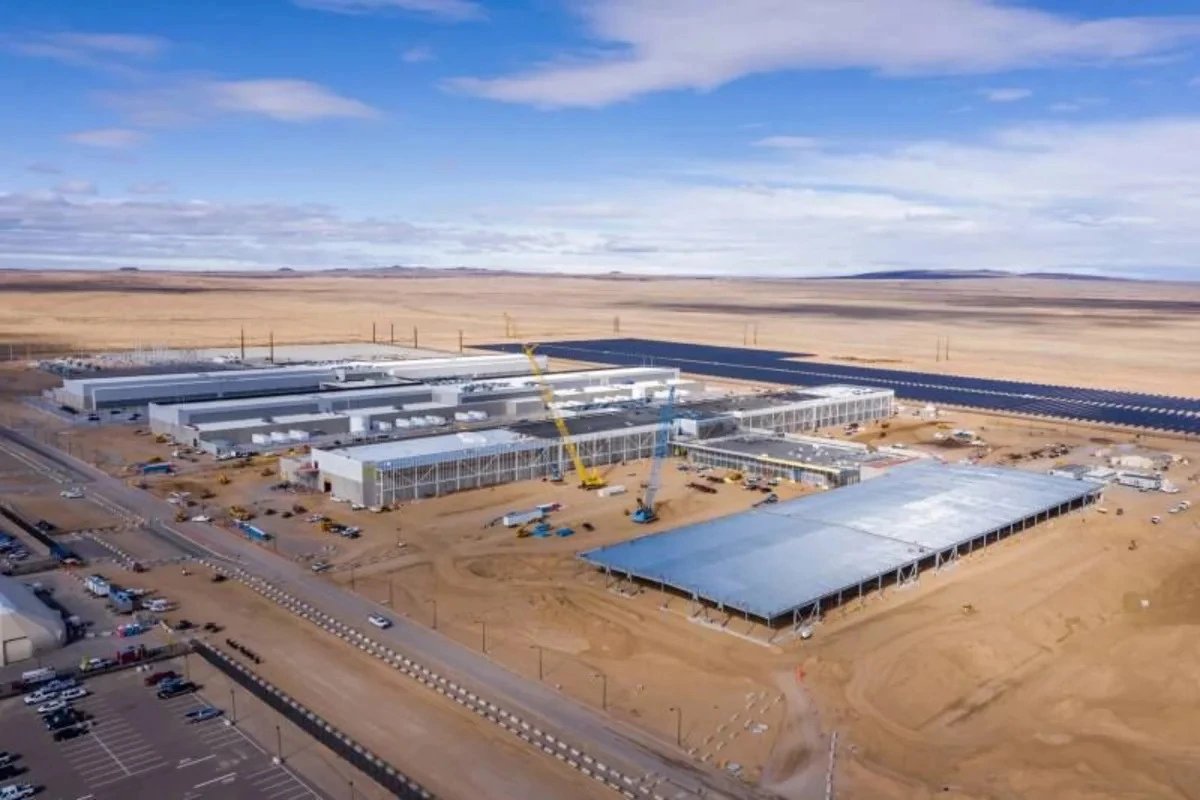
The size and scale of AI data centers often exceed what traditional insurers have previously underwritten. Many data centers are built in areas where cheap land comes with weather risks such as tornadoes, floods, and drought. Captive Review data shows more than 6,000 captives globally writing about $240 billion in premiums, nearly a fifth more than two years ago. AM Best reports that roughly 150 US captives it rates generated more than $8 billion in savings over the past five years.
Historical Context and Appeal
Oil and gas companies pioneered captives five decades ago to cover hard-to-insure environmental catastrophes like oil spills. Captives can now cover risks ranging from natural catastrophes to liability and workers' compensation. Companies using captives can reinvest premiums rather than treat payments to a third-party insurer as a sunk cost. Cottingham & Butler, a US insurance broker, calls the ability to turn insurance from a pure cost center into a potential profit center the corporate world's best kept financial secret.
1 source
Time · lag behind first