
Menopause stabilizes brain gray matter volume, Nature study finds
This digest was compiled by AI from multiple sources — links to the originals are below.
A study published Sept. 8 in Nature Communications found that brain gray matter volume remains stable during menopause, unlike the marked shrinkage seen during puberty and pregnancy. The research examined the cerebral cortex, the wrinkled outer surface of the brain.
Key Facts
- The study was published Sept. 8 in the journal Nature Communications.
- Gray matter volume shrinks markedly during puberty and pregnancy, likely reflecting fine-tuning of neural circuits.
- The research examined the cerebral cortex, the wrinkled outer surface of the brain.
Study Findings
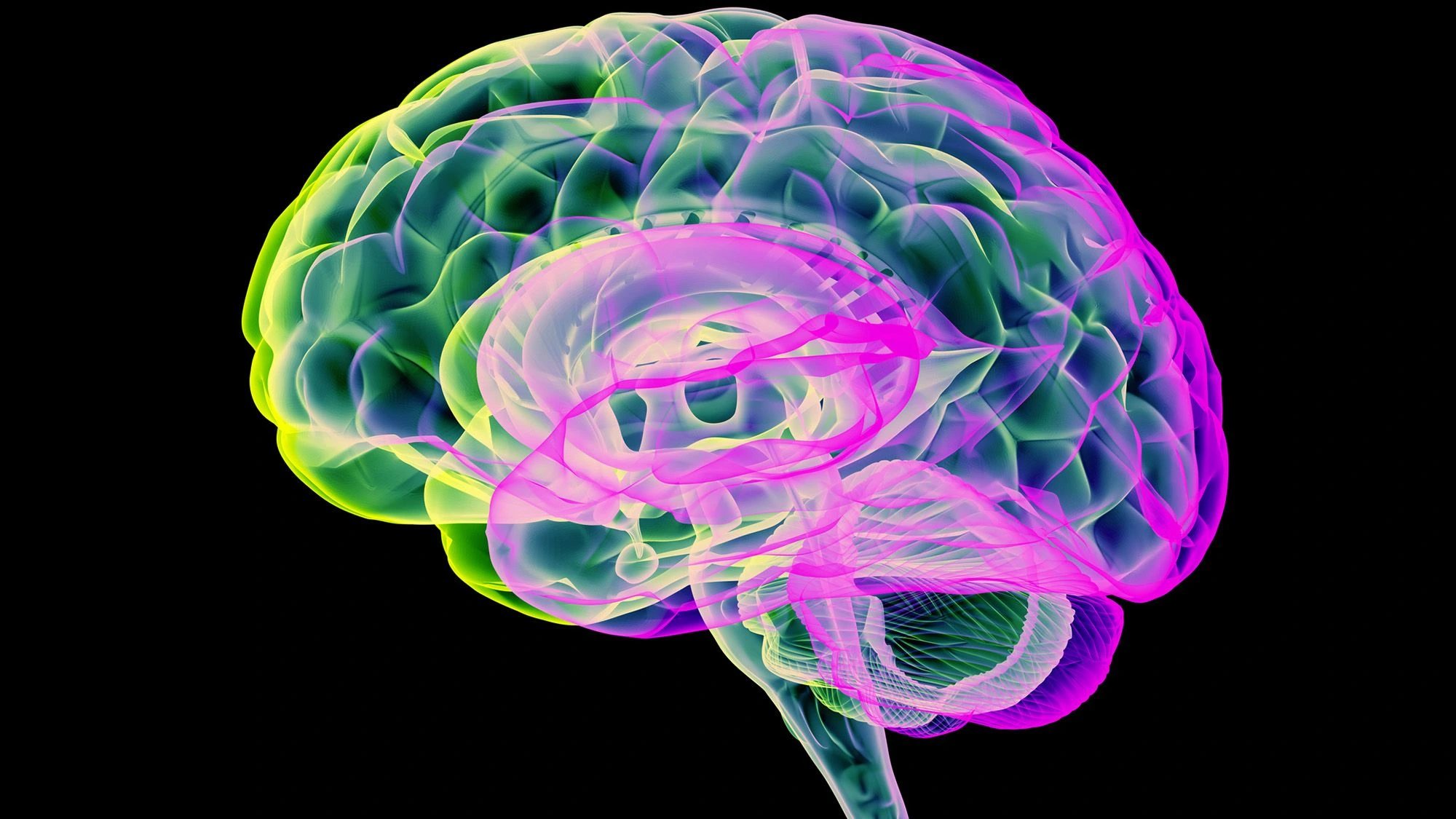
The brain undergoes dramatic changes during puberty and pregnancy, but during menopause, the organ's structure remains remarkably stable, a new study suggests. The research, published Sept. 8 in the journal Nature Communications, examined the brain's gray matter, which mostly includes the wrinkled outer surface of the organ, called the cerebral cortex. Past studies have found that the volume of gray matter shrinks markedly during puberty and pregnancy, likely reflecting a fine-tuning of neural circuits during those periods.
1 source
Time · lag behind first