
Diyarbakir court report finds cut column in building where 77 died
This digest was compiled by AI from multiple sources — links to the originals are below.
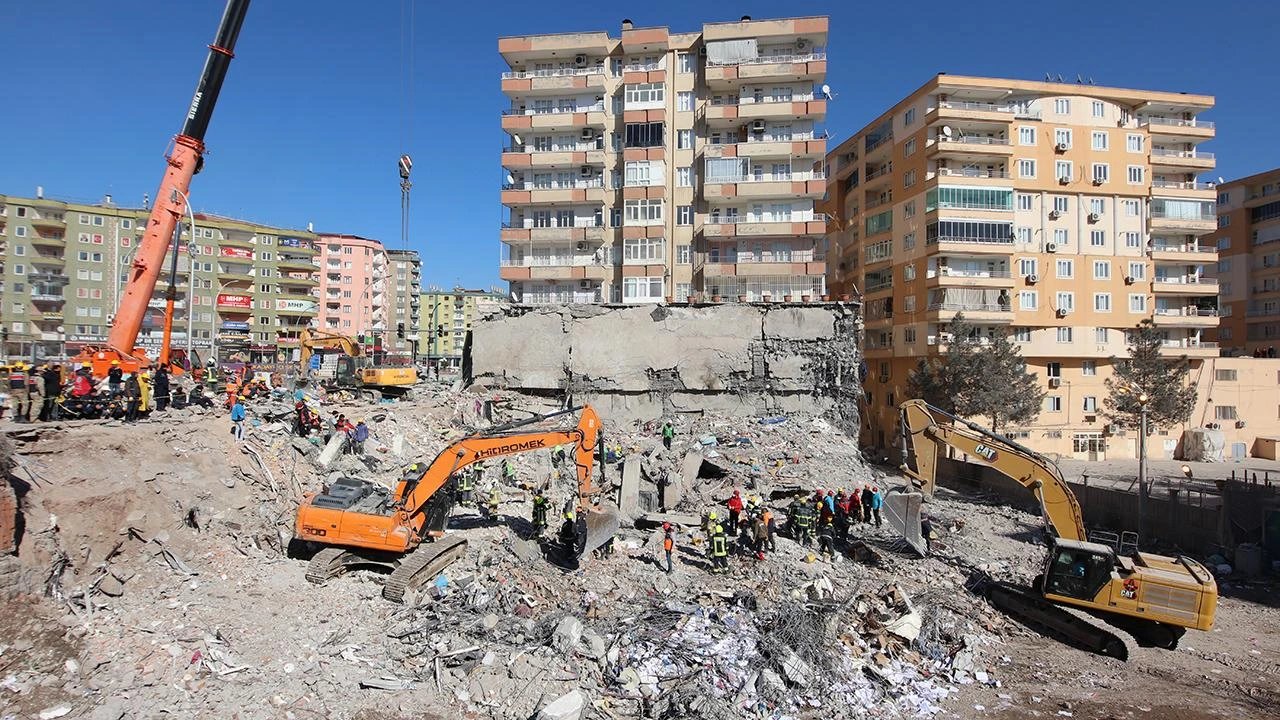
A new expert report on the Serin-2 Apartment building in Diyarbakir, where 77 people died in the February 2023 earthquakes, found that a load-bearing column had been cut. The report also cited seriously inadequate concrete quality as a major factor in the collapse. It ruled out nearby road and underpass construction as a cause.
Key Facts
- The Serin-2 Apartment building in Diyarbakir collapsed in the February 2023 earthquakes, killing 77 people and injuring 29.
- A new expert report prepared by a four-member team from Ankara University and Middle East Technical University found that a load-bearing column had been cut.
- The report concluded that the concrete used in the building was of seriously inadequate quality, significantly contributing to the collapse.
- The report found no technical evidence that road and underpass construction 19 meters from the building weakened its foundation or seismic resistance.
- Four defendants are on trial without detention in the Diyarbakir 7th High Criminal Court over the building's collapse.
Expert Report Findings
The Diyarbakir 7th High Criminal Court requested the new expert report in the trial of four defendants charged over the collapse of Serin-2 Apartment. A four-member team from Ankara University and Middle East Technical University prepared the report. The report states that a load-bearing column was cut after construction, reducing the building's vertical and horizontal load capacity. It also found that reinforcement details specified in the structural design were not followed, with stirrup spacing and hook details violating regulations. The concrete quality was seriously inadequate, which the report identifies as a major cause of the building's severe damage and collapse during the earthquake.
Construction Impact Ruled Out
The report evaluated the effect of road and underpass construction approximately 19 meters from the building. It concluded that the excavation did not weaken the building's foundation or the soil beneath it. No technical evidence was found that vibrations from construction vehicles or trucks reduced the building's seismic resistance. The report also found no evidence that moisture or limited water flow around the foundation weakened the structural system.
1 source
Time · lag behind first