
FCC drone ban draws 98.6% opposition in public comments
This digest was compiled by AI from multiple sources — links to the originals are below.
The FCC's proposed ban on foreign 'military-grade' drones drew opposition from 98.6% of 3,824 public comments filed in docket 26-189. Commenters said the rule's definition sweeps in consumer drones with thermal cameras or LiDAR. Even US drone maker Skydio declined to fully endorse the proposal.
Key Facts
- Pilot Institute analyzed all 3,824 readable filings in FCC docket 26-189 and found 98.6% opposed the rule as written.
- Of the 1,701 filings that addressed the economic impact, 1,686 described severe harm, while only one filing agreed with the FCC's conclusion that the impact would be 'minor and contained.'
- The FCC defines 'military-grade' as any drone with a thermal camera, LiDAR sensor, self-docking capability, liquid spraying, swarm maneuvers, or a take-off weight of 55 lbs or more.
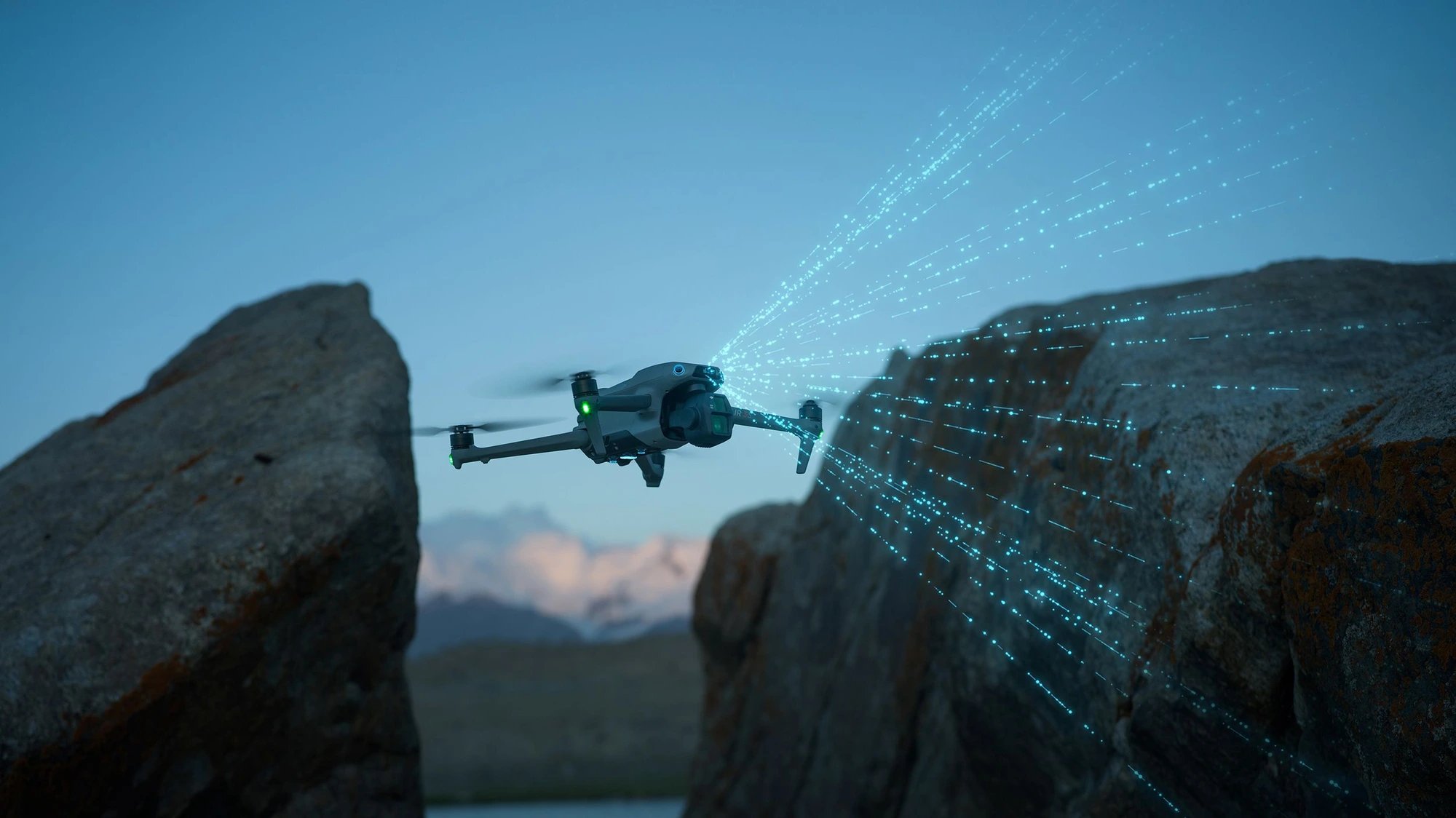
- LiDAR sensors are standard features on consumer drones like DJI's Mini 5 Pro and Air 3S, and are built into recent iPhones.
- Opposition spans public safety agencies, farmers, mapping firms, energy companies, and hobbyists.
Public Comment Breakdown
Pilot Institute analyzed all 3,824 readable filings in FCC docket 26-189 and found 98.6% opposed the rule as written. Of those, 77% rejected the rule outright, while 21% supported the underlying security goal but said the FCC drew the rule badly. Only 16 filings, or 0.4%, backed the proposal as it stands. On the economic question, 1,686 of 1,701 filings that addressed it described severe harm, while only one filing agreed with the FCC's 'minor and contained' conclusion.
Definition Overreach
The FCC's proposed definition of 'military-grade' includes any drone with a thermal camera or LiDAR sensor, or one that can dock itself, spray liquid, carry out swarm maneuvers, or weighs 55 lbs or more at take-off. LiDAR sensors are standard features on consumer drones like DJI's Mini 5 Pro and Air 3S, used for obstacle avoidance. LiDAR is also built into recent iPhones, making it mainstream technology rather than exotic military hardware. The thermal and LiDAR clauses sweep up consumer and prosumer drones widely used for photography, content creation, professional inspection, and search and rescue.
Broad Opposition
Opposition spans public safety agencies, farmers, mapping firms, energy companies, and hobbyists. Commenters told the Commission the rule does not properly distinguish between a 'surveillance platform' and a small camera drone used for work or fun. Even Skydio, a US-based drone maker that stands to benefit from the ban, declined to fully endorse the proposal.
1 source
Time · lag behind first