
9/11 lessons still shape intelligence sharing 25 years on
This digest was compiled by AI from multiple sources — links to the originals are below.
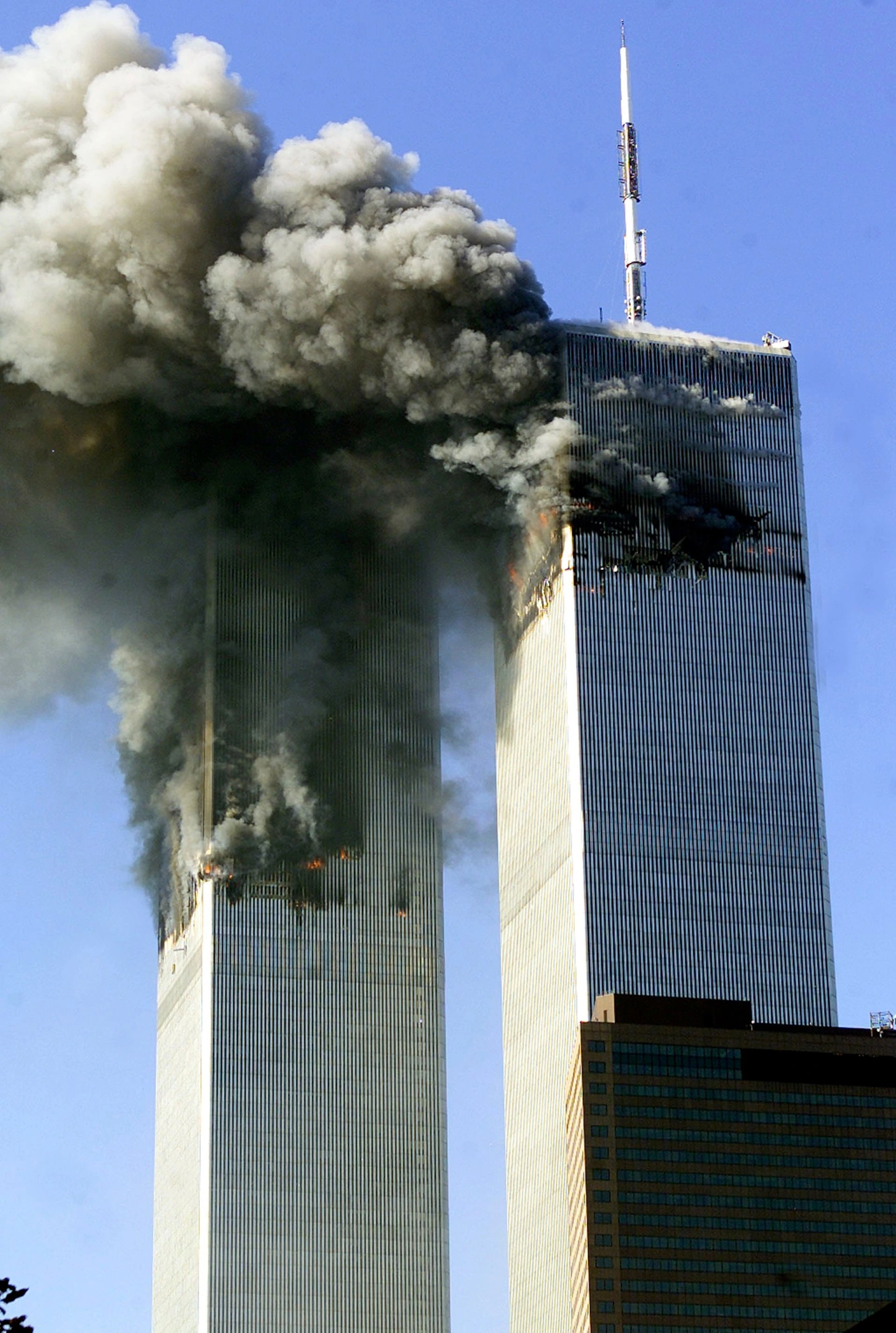
The 9/11 attacks killed 2,977 people and exposed a failure of imagination in US intelligence. Twenty-five years later, Western agencies have largely learned the core lesson of sharing information, dissolving old rivalries through fusion centres and joint operations. The attacks continue to define security policy even as new threats emerge.
Key Facts
- The 9/11 attacks killed 2,977 people on 11 September 2001.
- The 9/11 Commission Report blamed failures of imagination, policy, capabilities and management on the US government.
- The CIA had a taskforce dedicated to hunting Osama Bin Laden years before 2001.
- The UK established the high-security Counter Terrorism Operations Centre in London.
Intelligence Failure
The 9/11 Commission Report concluded that the CIA and FBI failed to properly assess intelligence and share information with each other. The report blamed failures of imagination, policy, capabilities and management on the US government. Both agencies possessed information that, if shared properly, could have prevented the attacks.
Post-9/11 Intelligence Sharing
Sharing between Western intelligence agencies is infinitely better than it was in 2001. Old rivalries between MI5 and Police Counter Terrorism have dissolved with regional fusion centres across the UK. The high-security Counter Terrorism Operations Centre in London places MI5 intelligence officers next to police officers who take executive action to stop plots.
1 source
Time · lag behind first