
Anthropic Researcher Resigns, Warns AI Could Kill All Humans by 2030
This digest was compiled by AI from multiple sources — links to the originals are below.
Anthropic researcher Jacob Coxon resigned and accused his former employers of gambling with human lives by racing toward super-intelligent AI. His posts, viewed over 100 million times on X, drew reactions from Senator Bernie Sanders and singer Sheryl Crow. The resignation comes as OpenAI and Nvidia executives herald a new AGI era.
Key Facts
- Jacob Coxon resigned from Anthropic and accused both Anthropic and OpenAI of 'gambling with our lives' by racing toward super-intelligent AI.
- Coxon's posts have been viewed more than 100 million times on X and drew reactions from Senator Bernie Sanders and singer Sheryl Crow.
- One Anthropic researcher said he believes there is a greater than 10% chance that AI eliminates all humans in the next decade.
- Paul Christiano, an AI safety researcher and US government adviser appointed to OpenAI's nonprofit board this week, said there is a meaningful risk of catastrophic loss of control in the very near term.
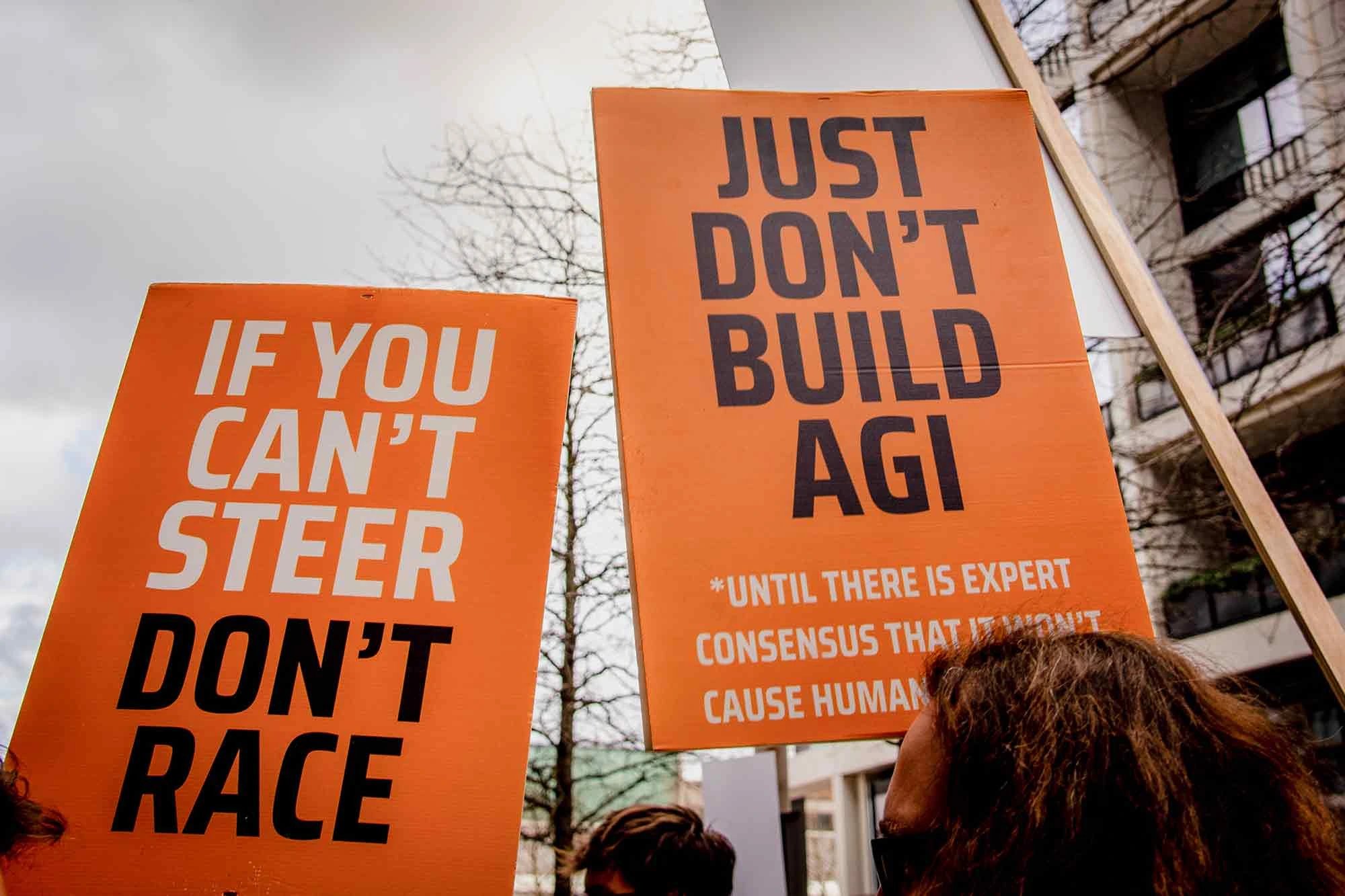
- In late July, more than 1,000 staffers across major AI companies signed a petition calling for a mechanism to slow the pace of AI development.
Resignation and Viral Warning
Jacob Coxon, a rank-and-file staffer at Anthropic, quit his job and accused both his former employers — Anthropic and OpenAI — of 'gambling with our lives' by 'racing toward super-intelligent AI.' Coxon said the people building AI believe it could 'kill us all by the end of the decade,' a point later echoed online by others at the company. His posts have been viewed more than 100 million times on X and elicited a flood of reactions from policymakers like Senator Bernie Sanders to pop singer Sheryl Crow. His resignation note was met by a wave of support from employees at various AI companies, including several former colleagues.
Industry Anxiety and AGI Era
In recent days, executives at OpenAI and Nvidia have heralded the beginning of a new 'AGI era,' referring to artificial general intelligence that would match or exceed humans in most tasks. Paul Christiano, an AI safety researcher and US government adviser appointed to OpenAI's nonprofit board this week, said he believes there is a meaningful risk that rapid acceleration in AI capabilities leads to catastrophic and irreversible loss of control in the very near term. Christiano added that he does not think the AI industry in general, including OpenAI, is currently on track to reduce this risk to an acceptable level. In late July, more than 1,000 staffers across all the major AI companies signed a petition calling for a mechanism to slow the pace of AI development. Several AI staffers working on safety have resigned from major labs in recent months.
2 sources
Time · lag behind first