
UNICEF: Climate hazards disrupted schooling for 171 million students in 2025
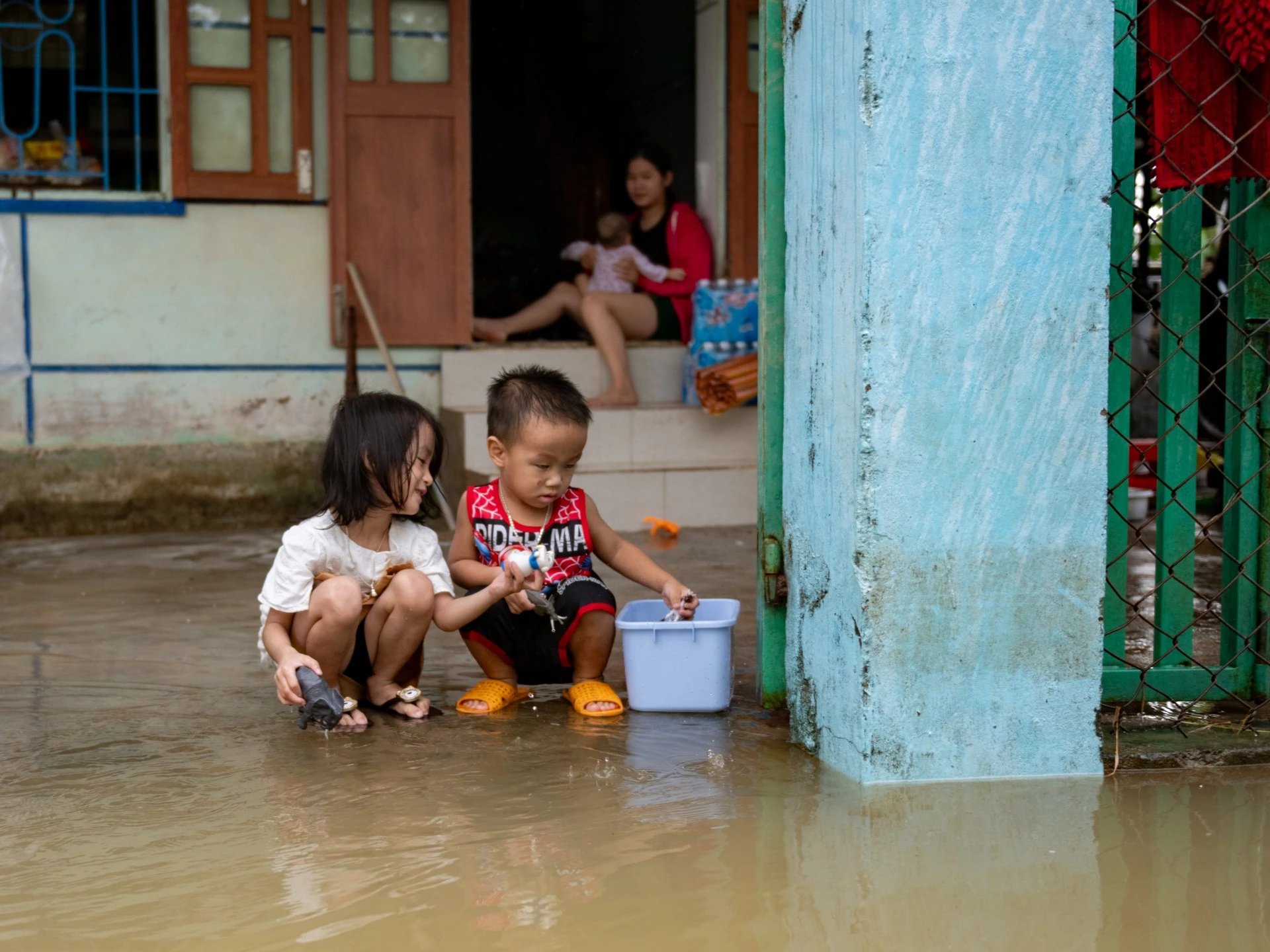
This digest was compiled by AI from multiple sources — links to the originals are below.
Climate hazards disrupted education for more than 171 million students worldwide in 2025, according to a UNICEF report released Thursday. Storms were the leading cause, affecting 109 million students, while girls faced heightened risks of dropping out. The report analyzed data from 106 countries and territories.
Key Facts
- More than 171 million students globally had their education interrupted by climate hazards in 2025, according to UNICEF.
- Storms were the leading cause of climate-related school disruptions, affecting 109 million students worldwide.
- 75 percent of affected children live in low- and lower-middle-income countries.
- Girls face heightened risks of dropping out due to insecurity, unsafe learning environments, and child marriage.
- The 2025 figure is down from nearly 250 million children affected in 2024, but UNICEF changed its methodology.
Climate Disruption Scale
UNICEF's report, titled 'Learning Interrupted: Global Snapshot of Climate-Related School Disruptions in 2025', analyzed data from 106 countries and territories. Storms, floods, heatwaves, droughts, and wildfires disrupted education through school closures, damaged facilities, reduced teaching time, lower attendance, and increased dropout risk. Storms affected 109 million students, floods at least 70 million, and heatwaves approximately 50 million children. The overall 2025 figures are lower than the previous year's estimate of nearly 250 million children in 85 countries, but UNICEF changed its methodology to rely on aid agencies and local media rather than government figures.
Girls' Education Risks
Girls face heightened risks of dropping out due to insecurity, unsafe learning environments, and child marriage, according to the report. Damage to schools and sanitation facilities, displacement, and lost family income can place additional caregiving and water-collection responsibilities on girls. These pressures can also increase the risk of child marriage, making it more difficult for girls to return to class when schools reopen. UNICEF Executive Director Catherine Russell said climate hazards 'do not just disrupt classes; they also destroy their schools, uproot their families and deprive the most vulnerable.'
1 source
Time · lag behind first