
CPC resumes oil loading at marine terminal after Sept. 8 drone incident
This digest was compiled by AI from multiple sources — links to the originals are below.
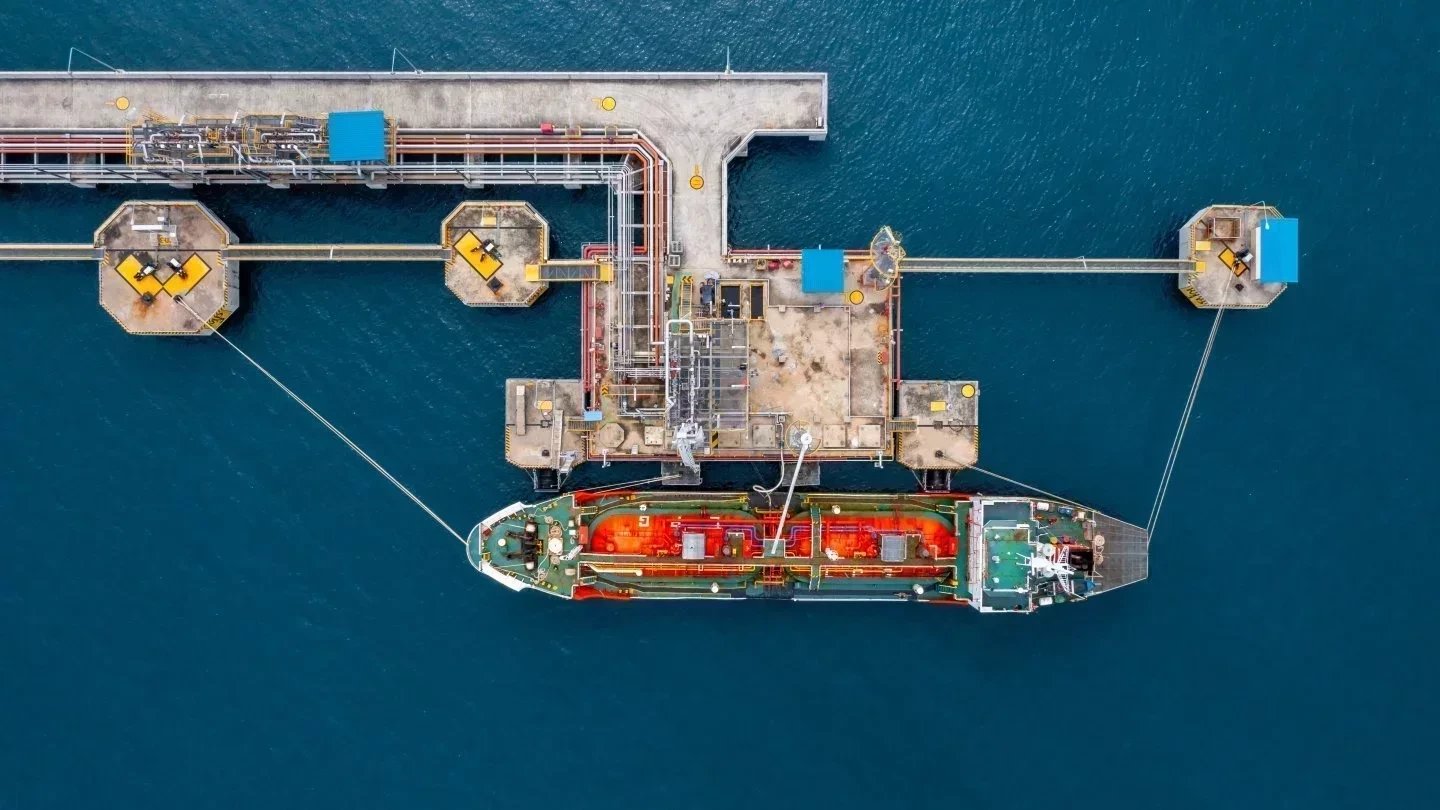
Oil loading operations at the Caspian Pipeline Consortium (CPC) marine terminal have resumed in normal mode after a Sept. 8 drone incident near the facility, Kazakhstan's Ministry of Energy said. Loading at Single Point Moorings (SPM) 2 and 3 was temporarily suspended following the incident. Inspections found no issues affecting loading operations and no environmental impact.
Key Facts
- CPC oil loading operations resumed in normal mode after a Sept. 8 drone incident near the marine terminal.
- Loading operations at Single Point Moorings (SPM) 2 and 3 were temporarily suspended following the incident.
- Kazakhstan's Ministry of Energy said inspections found no issues affecting loading operations and no environmental impact.
- The ministry imposed no restrictions on accepting oil from Kazakh shippers.
- Oil transportation into the CPC-K system increased 39% in January-August despite several disruptions from infrastructure attacks.
Resumption of Operations
Oil loading operations at the Caspian Pipeline Consortium (CPC) marine terminal have resumed in normal mode after a Sept. 8 drone incident near the facility, Kazakhstan's Ministry of Energy said. Following the incident, loading operations at Single Point Moorings (SPM) 2 and 3 were temporarily suspended. The ministry said inspections of CPC's cargo systems and tankers found no issues affecting the continuation of loading operations. No environmental impact was recorded. Loading operations have since resumed and are currently operating normally.
Ministry Position
The ministry stressed that it imposed no restrictions on accepting oil from Kazakh shippers. CPC remains a key export route for Kazakhstan's crude, despite the country's efforts to expand alternative transportation channels. As The Astana Times reported earlier, despite several disruptions from attacks on infrastructure, oil transportation into the CPC-K system increased 39% in January-August, while flows through several alternative routes also grew.
Strategic Context
Experts have noted that disruptions to major export infrastructure create a strategic challenge for Kazakhstan. If the largest route is disrupted or becomes less available, the country cannot simply redirect all affected production elsewhere without hitting capacity, infrastructure and logistical constraints. The latest developments therefore underscore the importance of maintaining reliable established export infrastructure while continuing to develop alternative routes.
1 source
Time · lag behind first