
Amnesty International reports Russia recruits thousands of foreigners for Ukraine war
This digest was compiled by AI from multiple sources — links to the originals are below.
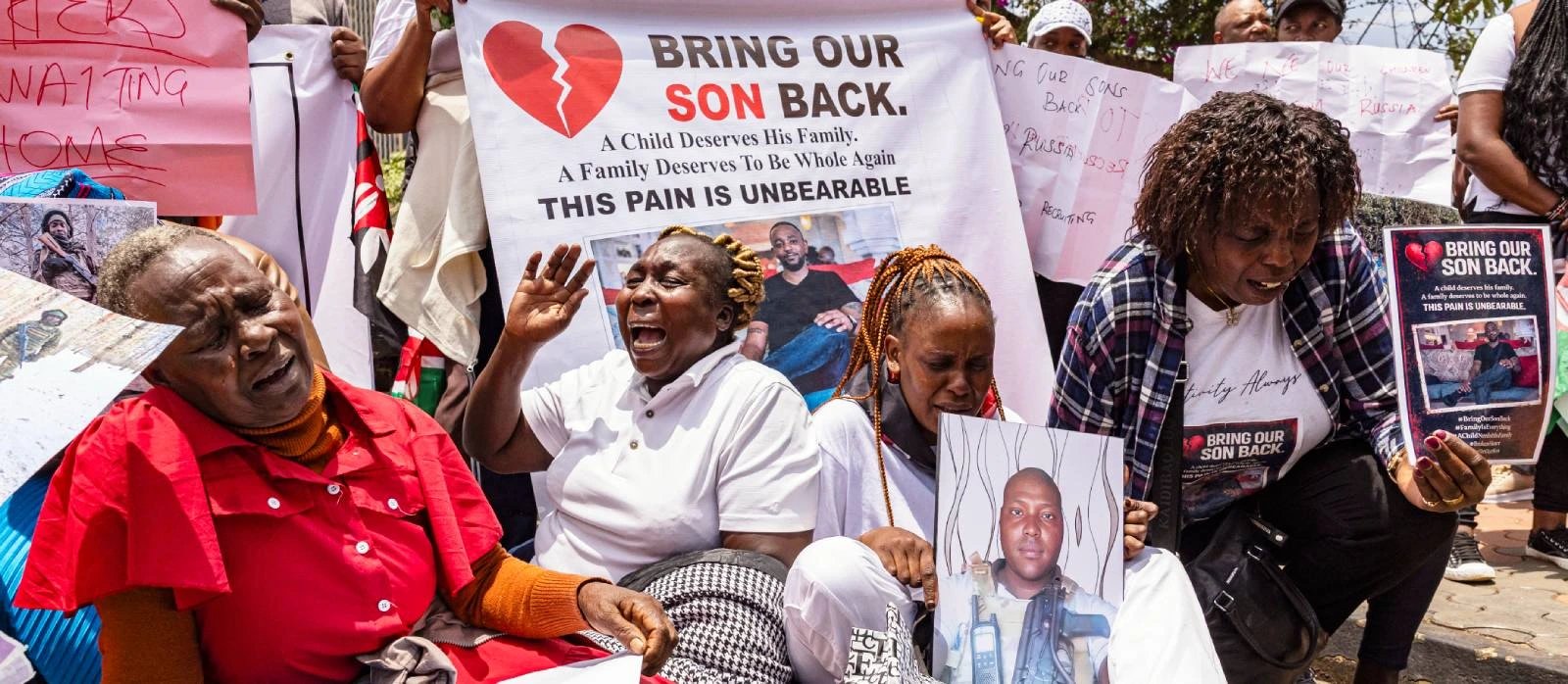
Amnesty International presented a report on September 10 detailing Russia's recruitment of thousands of foreigners for its war in Ukraine. The rights group says many were deceived, coerced, or trafficked into military service. Ukraine has identified more than 28,000 foreign fighters from 136 countries in Russian ranks.
Key Facts
- Amnesty International presented its report on September 10 at an online press conference.
- Ukraine's Coordination Headquarters for the Treatment of Prisoners of War identified over 28,000 people from 136 countries fighting for Russia as of late April 2026.
- Amnesty International cited about 28,300 foreign fighters, excluding North Korean soldiers, based on Ukrainian official data.
- Amnesty International researchers visited two prisoner-of-war camps in Ukraine six times between 2024 and 2026 and interviewed 15 foreign nationals who fought for Russia.
- Only three of the interviewed prisoners said they signed a contract knowing they would be sent to combat.
Report Findings
Amnesty International concluded that Russia recruits foreigners through deception, blackmail, violence, and other illegal means, often amounting to human trafficking. The organization's investigation began in 2024 and included interviews with 15 foreign nationals from Cuba, Colombia, Brazil, Egypt, Sierra Leone, Sri Lanka, Somalia, and South Africa. Julia Duchrow, head of Amnesty International Germany, stated that the Russian army fills its ranks with economically desperate foreigners and uses them as cannon fodder. She said the scale of exploitation and coercion meets the definition of human trafficking under the UN Palermo Protocols.
Prisoner Testimonies
Seven of the interviewed prisoners said they believed they were offered civilian jobs in Russia. Six others provided information indicating their recruitment was not voluntary. Amnesty International also contacted relatives, lawyers, human rights activists, and journalists to corroborate the accounts.
2 sources
Time · lag behind first